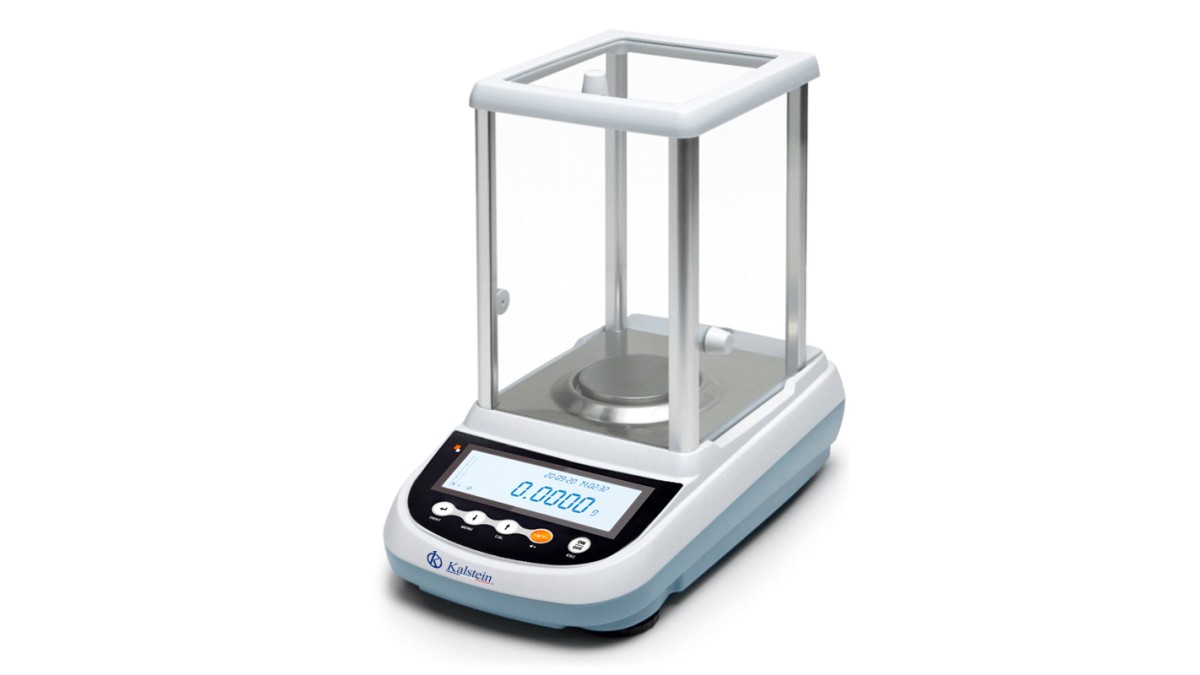
Analytical Balances: Practical Applications and Techniques 2026
Analytical balances are crucial instruments in laboratories, allowing for precise measurements crucial for various scientific applications. In this article, we will delve into their applications, history, usage techniques, best practices, and real-world workflows as of 2026.
What is it used for in 2026
In 2026, analytical balances serve a myriad of purposes across multiple sectors, including research, biotechnology, and academia. They are indispensable in weighing substances with extreme precision, which is essential for preparing solutions, performing chemical analyses, and conducting experiments. Laboratories utilize analytical balances for tasks such as:
- Measuring reagents for chemical reactions
- Formulating pharmaceutical compounds
- Quality control in manufacturing processes
- Research and development in life sciences
History and evolution of the technology
The evolution of analytical balances dates back several centuries, originating from simple beam balances to the technologically advanced electronic balances we see today. Early balances relied on mechanical systems, which were limited by environmental factors. The introduction of digital technology in the late 20th century revolutionized the field, offering enhanced accuracy, stability, and user-friendly interfaces. Over time, features such as internal calibration and improved load cell technology have made analytical balances more reliable and versatile for laboratory applications.
How to use it step by step
Using an analytical balance requires careful adherence to protocols to ensure accuracy. Here is a step-by-step guide:
- Preparation: Ensure the balance is clean and free of debris. Check that the balance is level.
- Calibration: Perform an internal calibration if available. This ensures that the balance provides accurate readings.
- Tare the balance: Place a container on the balance and press the tare button to zero the display.
- Add the sample: Carefully add the sample to the container, avoiding any spillage.
- Record the weight: Wait for the reading to stabilize before recording the weight displayed.
- Clean up: Remove the container, clean the balance, and store it properly for future use.
Best techniques and protocols
To achieve the best results with analytical balances, consider the following techniques and protocols:
- Always use the balance on a stable, vibration-free surface.
- Calibrate the balance regularly, and perform checks before critical measurements.
- Minimize air currents by using draft shields when weighing samples.
- Allow samples to come to room temperature to avoid buoyancy errors due to convection.
- Use appropriate containers that do not affect the weight readings.
Practical applications by laboratory type
Analytical balances find applications across various laboratory types:
Chemical laboratories
In chemical labs, analytical balances are essential for accurate reagent measurement, crucial for reactions and formulations.
Pharmaceutical labs
Pharmaceutical research relies on analytical balances for creating formulations that meet stringent quality standards.
Biotechnology labs
Biotechnology labs utilize analytical balances for measuring biological samples and compounds in various experiments.
Academic labs
In educational settings, analytical balances are used to teach students about precision and measurement techniques in science.
Regulations, standards and certifications
Working with analytical balances requires adherence to several standards and regulations, including:
- ISO 9001 for quality management systems
- ISO/IEC 17025 for testing and calibration laboratories
- Good Manufacturing Practices (GMP) in pharmaceutical applications
Comparison with alternative technologies
While analytical balances are a staple, alternative technologies such as top-loading balances and microbalances serve specific applications. Top-loading balances are quicker for general weighing tasks but lack the precision of analytical balances. Microbalances are suitable for extremely small weights but may be limited in capacity compared to analytical balances.
Comparison of available models
| Model | Best for | Key specs | Recommended use case |
|---|---|---|---|
| YR05568 | High precision weighing | 220g capacity, 0.1 mg resolution | Chemical analysis requiring high accuracy |
| YR05569 | Pharmaceutical compounding | 310g capacity, 0.1 mg resolution | Formulating pharmaceutical products |
| YR05570 | Research applications | 410g capacity, 0.1 mg resolution | Measuring samples in R&D environments |
| YR05571 | Educational purposes | 510g capacity, 0.1 mg resolution | Teaching students about precision in measurements |
| YR05572 | Biotechnology research | 610g capacity, 0.1 mg resolution | Experiments requiring large sample weights |
| YR05573 | Jewelry and high precision work | 100g capacity, 0.0001g resolution | Weighing fine materials with utmost accuracy |
Common mistakes and how to avoid them
To ensure accurate measurements, avoid these common mistakes:
- Not calibrating the balance regularly.
- Ignoring environmental factors such as temperature and airflow.
- Using improper containers that affect weight readings.
- Failing to clean the balance after each use.
Maintenance, calibration and good practices 2026
Regular maintenance is vital for analytical balances. Follow these practices:
- Calibrate the balance at least once a month or before critical measurements.
- Clean the balance with a soft, dry cloth after each use.
- Store the balance covered to prevent dust accumulation.
- Check for mechanical issues periodically.
Cost-benefit analysis 2026
Investing in an analytical balance is beneficial due to its accuracy and reliability. The costs associated with purchasing an analytical balance can be offset by:
- Improved precision in measurements leading to better experimental results.
- Reduced waste from incorrect measurements.
- Enhanced productivity with faster and reliable weighing processes.
Frequently asked questions
What is the best way to calibrate an analytical balance?
The best way to calibrate an analytical balance is to use certified calibration weights that match the specifications of the balance. Follow the manufacturer’s guidelines for internal calibration procedures.
How often should I perform maintenance on my analytical balance?
Maintenance should be performed at least monthly, along with daily checks for cleanliness and calibration before critical measurements.
Can I use any container to weigh samples on an analytical balance?
It is essential to use appropriate containers that do not affect the weight readings. Avoid using materials that could introduce static or thermal effects.
What factors can affect the accuracy of my analytical balance?
Factors such as air currents, temperature fluctuations, and even electromagnetic interference can affect the accuracy of measurements. Use draft shields and maintain a stable environment.
What applications are best suited for analytical balances?
Analytical balances are best suited for applications requiring high precision, such as chemical analysis, pharmaceutical compounding, and research in various scientific fields.
How do I know if my analytical balance is functioning correctly?
To determine if your analytical balance is functioning correctly, perform regular calibrations and check for any discrepancies in weight. If issues persist, consult a technician.
Where can I request a quote for an analytical balance?
You can request a quote for an analytical balance by contacting specialized laboratory equipment suppliers or visiting their online platforms.
If you are looking for a fusion of innovation and quality, you have come to the right place. At Kalstein, we offer you the luxury of exploring our exclusive catalog of laboratory equipment. We manufacture every device to the highest standards of excellence. Our intuitive and seamless online purchasing channels are designed for your convenience, securing the most competitive prices. Hesitate no longer — we bring science to life, it is time to become part of our community.