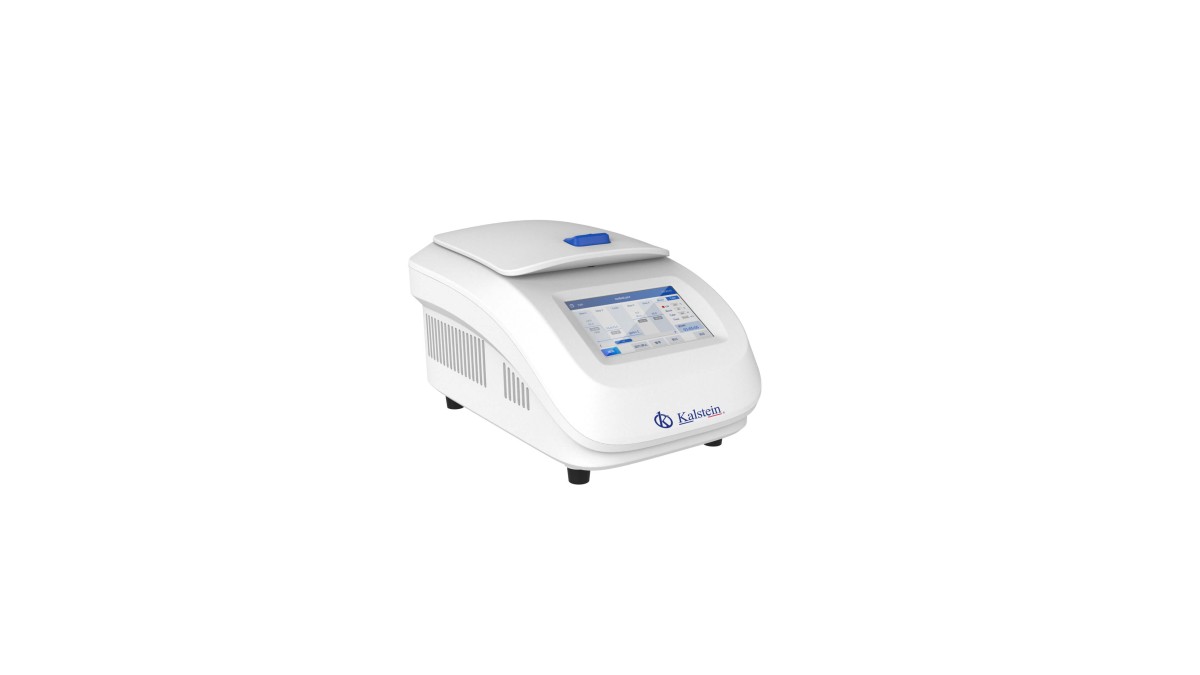
Biochemical BOD Incubators: Practical Applications and Techniques 2026
What is it used for in 2026
Biochemical BOD incubators are essential tools in laboratory settings, particularly in clinical and hospital environments. They are primarily utilized for biochemical oxygen demand (BOD) testing, which is crucial for assessing the effect of discharged wastewater on the environment. In 2026, these incubators are not only used for BOD testing but also for DNA amplification, protein denaturation treatments, and sample preservation. They ensure a controlled environment for biochemical reactions, maintaining optimal temperatures to facilitate accurate results.
History and evolution of the technology
The concept of incubators dates back to the early 20th century when laboratory professionals sought ways to maintain stable temperatures for biological samples. The evolution of incubators has been marked by advancements in temperature control technology, moving from mechanical systems to microcomputer-controlled devices in the current models. This shift has led to significant improvements in precision and reliability, allowing for more complex applications, including DNA amplification and protein studies.
How to use it step by step
Using a biochemical BOD incubator involves several essential steps to ensure effective and error-free operation:
- Preparation: Begin by cleaning the incubator and ensuring all components are in working order.
- Setting Up: Connect the incubator to a suitable power source, ensuring voltage compatibility.
- Temperature Calibration: Set the desired temperature according to your specific application. Use the control panel to adjust settings.
- Loading Samples: Place samples in the incubator, ensuring they do not obstruct air vents for proper circulation.
- Monitoring: Regularly check the temperature and timer settings. Adjust as necessary throughout the incubation period.
- Completion: Once the incubation period is over, safely remove the samples and document results.
Best techniques and protocols
The efficacy of biochemical BOD incubators can be maximized through the implementation of these best techniques:
- Always preheat the incubator before introducing samples to stabilize the internal temperature.
- Utilize thermally insulated containers for samples that require extended incubation times.
- Implement systematic calibration routines to maintain accuracy in temperature control.
- Document all temperature settings and incubation times for reproducibility.
Practical applications by laboratory type
Different laboratory types utilize biochemical BOD incubators in varied manners:
- Clinical Laboratories: Used for sample preservation and reaction assessments, particularly in microbiological studies.
- Environmental Testing Labs: Essential for BOD testing in wastewater management, assessing the impact of pollutants.
- Research Institutions: Employed for advanced applications like PCR and protein studies, relying on temperature precision for experimental success.
Regulations, standards and certifications
Compliance with established regulations and standards is crucial when using biochemical BOD incubators. This includes adherence to ISO standards related to laboratory equipment and practices. Certifications such as ISO 9001 ensure that the incubator meets quality management principles, which enhance reliability and customer satisfaction.
Comparison with alternative technologies
While biochemical BOD incubators are widely used, alternatives exist, such as water baths and traditional ovens. However, these alternatives often lack the precision and versatility offered by modern incubators, which are designed specifically for biochemical applications.
Comparison of available models
| Model | Best for | Key specs | Recommended use case |
|---|---|---|---|
| YR05889 | DNA amplification, protein denaturation | Temperature range: R.T. -25℃ ~100℃, Accuracy: ±0.5℃ | High-precision applications requiring heating and cooling cycles. |
| YR05890 | Sample preservation | Temperature range: R.T. +5℃ ~105℃, Accuracy: ±1.0℃ | Applications requiring stable temperature maintenance over time. |
| YR05891 | Small laboratory tests | Control range: RT+5℃ ~100℃, Power: 48W | Ideal for fieldwork due to lightweight and portable design. |
| YR05892 | Small sample testing | Temperature stability: ±0.3℃, Max temperature: 100℃ | Best for quick inspection kits in small labs. |
| YR05893 | Field testing | Control range: RT+5℃ ~100℃, Accuracy: ±0.3℃ | Portable option for quick and accurate results. |
| YR05894 | General laboratory use | Temperature range: RT+5℃ ~105℃, Power: 150W | Versatile applications in various laboratory environments. |
Common mistakes and how to avoid them
Laboratory professionals often encounter pitfalls while using biochemical BOD incubators. Here are some common mistakes and strategies to avoid them:
- Neglecting Calibration: Ensure regular calibration to maintain temperature accuracy.
- Overloading the Unit: Avoid exceeding the recommended sample load to prevent temperature fluctuations.
- Ignoring Maintenance: Conduct routine maintenance checks to ensure optimal performance.
Maintenance, calibration and good practices 2026
Routine maintenance is critical for effective operation. Follow these practices:
- Calibrate the incubator monthly to ensure temperature settings remain accurate.
- Clean the interior and exterior surfaces regularly to prevent contamination.
- Keep the incubator in a stable environment away from direct sunlight and heat sources.
Cost-benefit analysis 2026
Investing in a biochemical BOD incubator can yield significant returns through enhanced reliability and efficiency in laboratory workflows. While the upfront cost may seem high, the benefits, including reduced error rates and improved results, outweigh the initial expenditure over time.
Frequently asked questions
What are the key features to look for in a biochemical BOD incubator?
When selecting a biochemical BOD incubator, consider features such as temperature accuracy, control range, size, and whether it includes heating and cooling capabilities for diverse applications.
How do I maintain my incubator for optimal performance?
Regular maintenance includes calibration, cleaning, and routine checks to ensure all components function correctly. Schedule monthly calibrations and assess the incubator’s performance periodically.
What is the typical lifespan of a biochemical BOD incubator?
With proper maintenance, a biochemical BOD incubator can last over a decade, but individual lifespan may vary based on usage and care.
Can I use a BOD incubator for other applications beyond BOD testing?
Yes, biochemical BOD incubators are versatile and can be used for DNA amplification, protein studies, and sample preservation due to their precise temperature control.
Is it essential to preheat the incubator before use?
Yes, preheating the incubator ensures that the internal temperature is stabilized before introducing samples, which is crucial for achieving accurate results.
How can I ensure accurate temperature readings?
Regular calibration and using high-quality temperature monitoring devices are key to ensuring accurate temperature readings in your incubator.
What should I do if my incubator is not maintaining temperature?
If your incubator fails to maintain temperature, check for proper power supply, ensure that the unit is not overloaded, and consult the manufacturer for troubleshooting steps.
If you are looking for a fusion of innovation and quality, you have come to the right place. At Kalstein, we offer you the luxury of exploring our exclusive catalog of laboratory equipment. We manufacture every device to the highest standards of excellence. Our intuitive and seamless online purchasing channels are designed for your convenience, securing the most competitive prices. Hesitate no longer — we bring science to life, it is time to become part of our community.