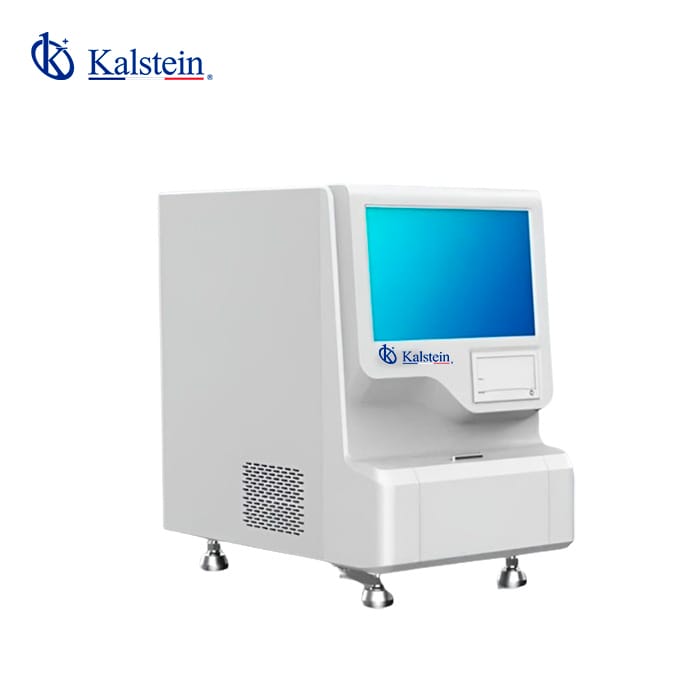
Chemiluminescence Immunoassay Analyzers: A Practical Step-by-Step Guide in 2026
Chemiluminescence immunoassay analyzers are critical tools in modern laboratories, providing rapid and accurate diagnostic results. These devices utilize the chemiluminescence reaction to detect specific antigens or antibodies, making them indispensable in various clinical settings.
What is it used for in 2026
In 2026, chemiluminescence immunoassay analyzers are primarily used for the diagnosis of various diseases, monitoring hormone levels, and detecting infectious agents. Their ability to provide quick results enables clinicians to make timely decisions in patient care. Common applications include:
- Testing for viral infections such as HIV and Hepatitis
- Hormonal assays for fertility and metabolic conditions
- Autoimmune disease testing
- Cardiac markers for myocardial infarction
History and evolution of the technology
The evolution of chemiluminescence immunoassay technology has transformed laboratory diagnostics. Initially developed in the late 20th century, the technology leveraged enhanced sensitivity and specificity compared to traditional methods like ELISA. Over the years, advancements in optical detection and automation have led to the development of fully automated analyzers, significantly improving throughput and accuracy.
How to use it step by step
Using a chemiluminescence immunoassay analyzer involves several steps:
- Sample Preparation: Collect and prepare samples according to specific assay protocols, ensuring proper volume and anticoagulant use.
- Instrument Setup: Turn on the analyzer, perform initial system checks, and calibrate as necessary.
- Load Samples: Place prepared samples into designated wells or compartments in the analyzer.
- Run Assay: Select the appropriate assay program and initiate the analysis cycle.
- Data Analysis: Once the cycle ends, review and interpret the results generated by the analyzer.
- Report Generation: Generate and print reports for clinical review.
Best techniques and protocols
To achieve optimal results with chemiluminescence immunoassays, the following techniques and protocols are recommended:
- Use high-quality reagents to ensure assay specificity and sensitivity.
- Strictly adhere to manufacturer's protocols for sample handling and assay execution.
- Implement routine calibration and maintenance schedules for the analyzers.
- Ensure that quality control measures are in place to monitor assay performance.
Practical applications by laboratory type
Chemiluminescence immunoassay analyzers find applications across various laboratory types:
- Hospitals: Used for rapid diagnosis of diseases, including infectious diseases and hormone levels.
- Research Laboratories: Employed in studies requiring precise quantification of biomolecules.
- Emergency Departments: Provide quick results for critical care patients.
- Diagnostic Labs: Facilitate high-throughput testing for population screening.
Regulations, standards and certifications
The use of chemiluminescence immunoassay analyzers is governed by strict regulations and standards, including:
- ISO 13485 for quality management systems in medical devices.
- CLIA (Clinical Laboratory Improvement Amendments) for laboratory testing.
- FDA regulations for device safety and efficacy.
Comparison with alternative technologies
When compared to alternative technologies such as ELISA or radioimmunoassay, chemiluminescence immunoassays offer several advantages:
- Sensitivity: Higher sensitivity leading to lower detection limits.
- Speed: Faster results due to automated processes.
- Less Hazardous: Avoidance of radioactive materials used in radioimmunoassays.
Comparison of available models
| Model | Best for | Key specs | Recommended use case |
|---|---|---|---|
| YR06387 | High efficiency diagnostics | Weight: 45 kg, Dimensions: 320 mm x 550 mm x 550 mm, Price: $3500.00 | Clinical environments |
| YR06388 | Rapid and precise results | Weight: 55 kg, Dimensions: 520 mm x 550 mm x 550 mm, Price: $5000.00 | Emergency scenarios |
| YR06389 | Ambulatory inspection | Transport speed: 120T/h, Result time: 15 minutes, Price: $9000.00 | Clinical lab testing |
| YR06390 | High throughput | Processing speed: 220T/h, Result time: 15 minutes, Price: $15000.00 | High-volume laboratories |
| YR06710 | Compact analysis | Small area: 0.4 m², Price: $109.00 | Space-limited environments |
Common mistakes and how to avoid them
Laboratories often encounter common pitfalls when using chemiluminescence immunoassay analyzers:
- Inaccurate sample preparation: Ensure all samples are prepared according to guidelines.
- Neglecting maintenance: Implement a strict maintenance schedule to avoid breakdowns.
- Ignoring quality controls: Regularly perform quality checks to validate results.
Maintenance, calibration and good practices 2026
Maintaining a chemiluminescence immunoassay analyzer involves:
- Regular cleaning and calibration according to manufacturer’s instructions.
- Monitoring of reagent expiration dates and storage conditions.
- Documenting maintenance history for compliance with standards.
Cost-benefit analysis 2026
When evaluating the cost-benefit of chemiluminescence immunoassay analyzers, consider:
- Initial purchase cost vs. long-term savings from reduced labor and time.
- Increased diagnostic accuracy leading to better patient outcomes.
- Potential for high-throughput testing compared to traditional methods.
Frequently asked questions
What are the key factors in choosing a chemiluminescence immunoassay analyzer?
When selecting an analyzer, consider factors such as throughput capability, sample types compatible, ease of use, and maintenance requirements.
How often should I calibrate my chemiluminescence immunoassay analyzer?
Calibration frequency typically depends on usage; however, a general recommendation is to calibrate at least once a month or after significant maintenance.
What types of samples can be analyzed?
These analyzers can typically assess plasma, serum, and urine samples, depending on the specific assays being conducted.
How can I ensure accurate results from my analyses?
Ensure accurate results by strictly following assay protocols, maintaining equipment properly, and utilizing control samples to validate results.
What should I do if I receive unexpected results?
If unexpected results occur, check for potential sample errors, instrument malfunctions, or reagent issues, and consider running quality controls again.
Are there specific maintenance practices recommended for these analyzers?
Yes, routine cleaning, calibration, and software updates are essential for maintaining optimal performance and accuracy.
How do chemiluminescence immunoassay analyzers compare to other assay types?
Chemiluminescence assays offer greater sensitivity and faster results compared to traditional ELISA, making them favorable for rapid diagnostics.
If you are looking for a fusion of innovation and quality, you have come to the right place. At Kalstein, we offer you the luxury of exploring our exclusive catalog of laboratory equipment. We manufacture every device to the highest standards of excellence. Our intuitive and seamless online purchasing channels are designed for your convenience, securing the most competitive prices. Hesitate no longer — we bring science to life, it is time to become part of our community.