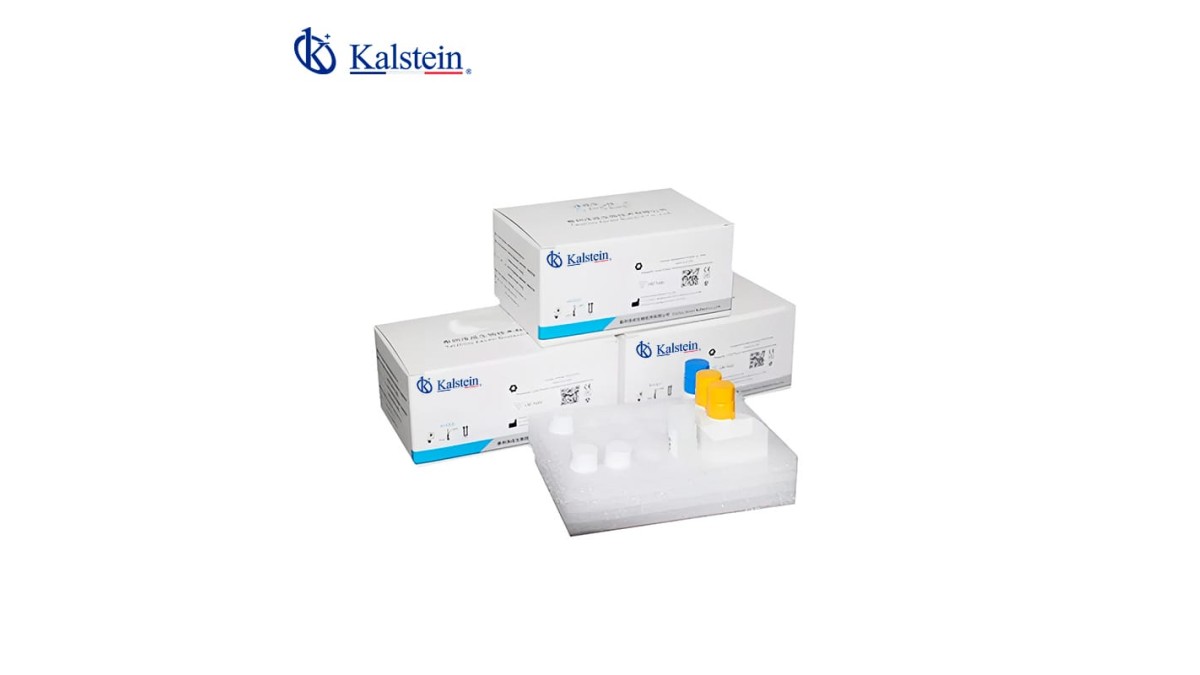
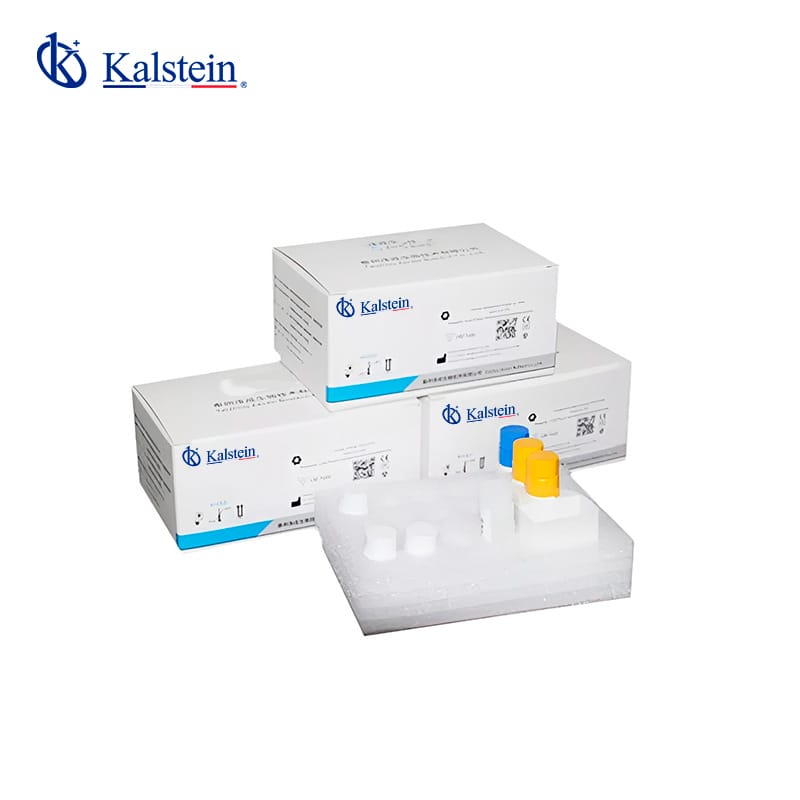
Chemiluminescence Reagents: Practical Guide for Use in 2026
What is it used for in 2026
Chemiluminescence reagents are primarily used in the diagnosis and monitoring of various medical conditions, particularly thyroid diseases. In 2026, these reagents facilitate accurate testing for hormones such as TSH, TT3, TT4, FT3, FT4, and antibodies related to thyroid function. They play a crucial role in laboratories by enabling the detection of hormone levels through immunoassay techniques, which are vital for patient care and treatment planning.
History and evolution of the technology
The technology behind chemiluminescence has evolved significantly since its inception. Initially utilized in basic laboratory settings, advancements have led to the refinement of detection methods, increasing sensitivity and specificity. Over the years, the integration of chemiluminescent substrates in immunoassays has improved diagnostic capabilities, allowing for rapid and reliable results. As laboratory needs grow, innovations continue to enhance the performance of chemiluminescence reagents.
How to use it step by step
Using chemiluminescence reagents involves several critical steps:
- Preparation: Gather all necessary materials, including the reagents, samples, and testing equipment.
- Sample Collection: Properly collect and store samples according to laboratory protocols to ensure integrity.
- Reagent Preparation: Prepare the chemiluminescence reagents as per the manufacturer's instructions, ensuring proper mixing and handling.
- Assay Setup: Configure the assay system, including pipetting the reagents into the designated wells or tubes.
- Incubation: Allow the assay to incubate for the specified time to enable the reaction to occur.
- Detection: Use a luminometer or similar device to measure the emitted light, which correlates to the concentration of the target analyte.
- Data Analysis: Analyze the results using appropriate software or statistical methods to determine the levels of hormones or antibodies.
Best techniques and protocols
Employing the right techniques and protocols is essential for optimizing results when using chemiluminescence reagents. Key techniques include:
- Calibration: Perform regular calibration of the detection equipment to maintain accuracy.
- Quality Control: Implement quality control measures to verify reagent performance and reliability.
- Standardization: Use standardized protocols for sample handling and assay execution to reduce variability.
- Documentation: Maintain comprehensive records of all tests performed, including reagent lot numbers and results, for traceability and regulatory compliance.
Practical applications by laboratory type
Chemiluminescence reagents find diverse applications across various types of laboratories:
- Clinical Laboratories: Used for hormone testing and autoimmune disease diagnostics.
- Research Laboratories: Employed in studies investigating thyroid function and disorders.
- Pharmaceutical Laboratories: Utilized in drug development to assess hormone interactions and effects.
- Diagnostic Laboratories: Critical in developing and validating new assays for emerging health concerns.
Regulations, standards and certifications
In 2026, compliance with regulations and standards is crucial for laboratories using chemiluminescence reagents. Key regulations include:
- ISO 13485: Ensures the quality management systems for medical devices are in place.
- CE Marking: Confirms that the products meet European safety, health, and environmental protection standards.
- FDA Regulations: Adherence to guidelines for medical devices in the United States to ensure safety and efficacy.
Comparison with alternative technologies
Chemiluminescence reagents offer distinct advantages over alternative technologies such as enzyme-linked immunosorbent assays (ELISA) and radioimmunoassays (RIA).
- Sensitivity: Chemiluminescence typically provides higher sensitivity compared to ELISA.
- Speed: Results can be obtained more rapidly, allowing for quicker clinical decision-making.
- Safety: Unlike RIA, chemiluminescence does not involve radioactive materials, enhancing laboratory safety.
- Automation: Chemiluminescence assays are more amenable to automation, improving workflow and efficiency.
Comparison of available models
| Model | Best for | Key specs | Recommended use case |
|---|---|---|---|
| YRA279 | Comprehensive thyroid function testing | Price: $15.00, Packaging: 50T/Box, Storage: 2-8°C | Initial screening for thyroid diseases |
| YRA280 | Accurate hormone level determination | Price: $15.00, Packaging: 50T/Box, Storage: 2-8°C | Routine monitoring of thyroid function |
| YRA281 | Thyroid disease diagnostics | Price: $15.00, Packaging: 50T/Box, Storage: 2-8°C | Diagnostic testing in clinical settings |
| YRA282 | Evaluation of thyroid antibodies | Price: $15.00, Packaging: 50T/Box, Storage: 2-8°C | Assessment of autoimmune thyroid disorders |
| YRA283 | Monitoring thyroid treatment | Price: $15.00, Packaging: 50T/Box, Storage: 2-8°C | Follow-up assessments after therapy |
| YRA284 | Comprehensive autoimmune screening | Price: $35.00, Packaging: 50T/Box, Storage: 2-8°C | Investigating complex thyroid issues |
Common mistakes and how to avoid them
Laboratories must be vigilant to avoid common mistakes when using chemiluminescence reagents:
- Incorrect reagent handling: Always follow manufacturer guidelines for reagent storage and preparation.
- Inaccurate timing: Ensure proper incubation times are adhered to for testing accuracy.
- Cross-contamination: Use separate pipettes and containers for different samples to prevent contamination.
- Poor calibration: Regularly calibrate equipment to maintain measurement accuracy.
Maintenance, calibration and good practices 2026
Maintaining chemiluminescence reagents and equipment is essential for optimal performance:
- Regular Calibration: Establish a routine calibration schedule for all analytical instruments.
- Storage Conditions: Adhere to recommended storage temperatures and conditions for reagents.
- Inventory Management: Keep an updated inventory of reagents to avoid using expired products.
- Training: Ensure all laboratory staff are trained on proper handling and usage of reagents.
Cost-benefit analysis 2026
A cost-benefit analysis of chemiluminescence reagents highlights their value in laboratory settings:
- Cost of Reagents: While initial purchase costs may be higher, the accuracy reduces retesting expenses.
- Efficiency Savings: Faster turnaround times improve patient throughput, leading to better service.
- Improved Outcomes: Enhanced precision in diagnostics leads to better patient management and outcomes.
- Regulatory Compliance: Meeting standards reduces the risk of fines and enhances laboratory reputation.
Frequently asked questions
What are the key factors to consider when choosing a chemiluminescence reagent?
When selecting a chemiluminescence reagent, consider factors such as sensitivity, specificity, intended use, and compatibility with existing equipment.
How do I ensure accurate results when using chemiluminescence assays?
Accurate results can be ensured by following proper protocols, performing regular calibrations, and conducting quality control checks.
Can chemiluminescence reagents be used for other types of tests?
Yes, chemiluminescence reagents can be adapted for various immunoassays beyond thyroid testing, including infectious diseases and other hormone analyses.
What should I do if I encounter inconsistent results?
If inconsistencies arise, check for reagent expiration, review procedural adherence, and calibrate equipment before repeating the tests.
Are there any specific storage conditions for chemiluminescence reagents?
Most chemiluminescence reagents should be stored at 2-8°C to maintain their stability and efficacy.
How often should training on the use of chemiluminescence reagents be conducted?
Training should be conducted regularly, at least annually, or whenever new reagents or protocols are introduced.
Where can I find high-quality chemiluminescence reagents?
High-quality chemiluminescence reagents can be sourced from reputable manufacturers and suppliers specializing in laboratory equipment and reagents.
If you are looking for a fusion of innovation and quality, you have come to the right place. At Kalstein, we offer you the luxury of exploring our exclusive catalog of laboratory equipment. We manufacture every device to the highest standards of excellence. Our intuitive and seamless online purchasing channels are designed for your convenience, securing the most competitive prices. Hesitate no longer — we bring science to life, it is time to become part of our community.