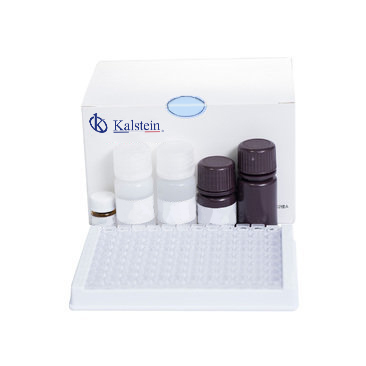
Clinical Chemistry Reagents: Practical Applications and Techniques 2026
In the rapidly evolving field of laboratory diagnostics, clinical chemistry reagents have become essential tools for analyzing biochemical constituents in various samples. In 2026, understanding how to efficiently utilize and apply these reagents is paramount for laboratory professionals. This article explores their uses, historical evolution, step-by-step usage, best techniques and protocols, practical applications, regulatory standards, model comparisons, common mistakes, maintenance practices, cost-benefit analysis, and some frequently asked questions.
What is it used for in 2026
Clinical chemistry reagents are primarily used for a variety of biochemical analyses, including liver function tests, cardiac enzyme assessments, renal function tests, and electrolyte levels in blood gases. These reagents facilitate accurate and reliable results crucial for clinical decision-making, patient management, and research purposes. In 2026, the focus is on enhancing precision and turnaround times in laboratory workflows while maintaining adherence to safety and quality standards.
History and evolution of the technology
The use of clinical chemistry reagents dates back several decades, originating with simple tests that evolved into complex analyses employing sophisticated technologies. The 1980s and 1990s saw significant developments in reagent formulations, automation, and microplate technologies, which allowed for high-throughput testing. The turn of the century introduced molecular diagnostics and advanced analytical methods. As we move into 2026, the integration of artificial intelligence and machine learning in reagent application is paving the way for unprecedented accuracy and efficiency.
How to use it step by step
- Preparation: Gather all necessary reagents, samples, and equipment. Ensure all components are properly labeled and stored according to guidelines.
- Calibration: Calibrate analytical equipment as per the manufacturer's instructions to ensure accurate results.
- Sample Collection: Collect samples using standard protocols, ensuring minimal contamination and degradation.
- Reagent Preparation: Prepare reagents according to the specific methods for each test, mixing components as required.
- Testing: Follow the recommended procedures for the assay, including incubation times and temperature settings.
- Data Analysis: Analyze results using appropriate software or manual calculations, observing quality control measures.
- Documentation: Record results and observations meticulously in the laboratory database.
Best techniques and protocols
In 2026, best practices focus on standardization and automation to enhance reliability and efficiency. The use of control samples to validate results is crucial. Implementing protocols for reagent storage, mixing, and usage helps maintain the integrity of the assays. Regular training for laboratory personnel on the latest techniques ensures adherence to evolving standards. Utilizing modern calibration methods can further improve accuracy and reduce errors.
Practical applications by laboratory type
Clinical chemistry reagents are utilized across various laboratory types, including:
- Clinical Laboratories: For routine diagnostic tests, ensuring timely patient care.
- Research Laboratories: In biochemical research projects, exploring new pathways and drug efficacy.
- Hospital Laboratories: In emergency departments for rapid assessment of patient conditions.
- Veterinary Laboratories: For animal health diagnostics, paralleling human healthcare standards.
Regulations, standards and certifications
In 2026, laboratories must adhere to stringent regulations set forth by agencies such as the Clinical Laboratory Improvement Amendments (CLIA) and the International Organization for Standardization (ISO). Certifications such as ISO 15189 ensure that laboratories meet international standards for quality and competence. Regular audits and compliance checks are essential to maintain certifications and uphold public trust in laboratory results.
Comparison with alternative technologies
While clinical chemistry reagents are pivotal, alternative technologies such as point-of-care testing (POCT) and molecular diagnostics are gaining traction. These technologies offer rapid results; however, they may lack the comprehensive data provided by traditional laboratory methods. The choice between these options often depends on the specific needs of the laboratory, including patient volume and required test accuracy.
Comparison of available models
| Model | Best for | Key specs | Recommended use case |
|---|---|---|---|
| YRA1 | Liver Function Tests | 120ml; Recommended Method IFCC ALT | Routine liver analysis in clinical settings |
| YRA2 | Cardiac Enzyme Assessment | 120ml; Recommended Method IFCC AST | Assessing myocardial infarction indicators |
| YRA3 | GGT Testing | 128ml; Method SZASZ | Liver disease diagnostics |
| YRA4 | Albumin Testing | 160ml; Bromocresol Green Method | Monitoring protein levels |
| YRA5 | Bilirubin Testing | 120ml; Diazo Method | Assessing jaundice or liver function issues |
| YRA6 | Vanadate Method Bilirubin Testing | 120ml; Vanadate Oxidation Method | Advanced bilirubin analysis |
Common mistakes and how to avoid them
Common mistakes in using clinical chemistry reagents include improper storage, incorrect reagent preparation, and failure to calibrate equipment regularly. To avoid these pitfalls, it is essential to follow the manufacturer's guidelines closely, implement a robust quality control system, and ensure all laboratory staff are adequately trained on procedures and protocols. Regular audits can help identify areas for improvement.
Maintenance, calibration and good practices 2026
In 2026, maintenance and calibration have become more automated, yet manual checks remain critical. Regularly scheduled maintenance ensures that reagents remain effective and that equipment functions correctly. Calibration must be done as per guidelines, typically before major testing periods or when results are inconsistent. Good practices include maintaining cleanliness in the workspace, proper waste disposal, and adhering to safety protocols.
Cost-benefit analysis 2026
Conducting a cost-benefit analysis in 2026 requires evaluating the upfront costs of reagents against long-term benefits such as accuracy, reliability, and time savings. While some reagents might come with a higher price tag, their ability to produce precise results can lead to fewer repeat tests and better patient outcomes in the long run, justifying the investment.
Frequently asked questions
What factors should I consider when choosing clinical chemistry reagents?
Consider factors such as the specific assays needed, reagent reliability, manufacturer support, and compliance with regulatory standards.
How can I ensure accurate results when using reagents?
Follow the manufacturer's instructions for preparation, storage, and use. Regularly calibrate your equipment and conduct quality control checks.
What are the common pitfalls in reagent usage, and how can I avoid them?
Common pitfalls include improper storage and incorrect preparation. Avoid these by adhering to guidelines and conducting regular training for staff.
How do I choose between different reagent models?
Evaluate based on the specific tests you need to conduct, the precision and reliability of the reagents, and their compatibility with your existing lab equipment.
What maintenance is required for clinical chemistry reagents?
Maintenance includes ensuring proper storage conditions, regular calibration of equipment, and adherence to expiration dates.
How often should I update my protocols for using clinical chemistry reagents?
Update protocols regularly, ideally annually or when new guidelines or technologies are introduced, to ensure best practices are followed.
Where can I find more information about purchasing clinical chemistry reagents?
For comprehensive options, request a quote from us to explore the best solutions tailored for your laboratory needs.
If you are looking for a fusion of innovation and quality, you have come to the right place. At Kalstein, we offer you the luxury of exploring our exclusive catalog of laboratory equipment. We manufacture every device to the highest standards of excellence. Our intuitive and seamless online purchasing channels are designed for your convenience, securing the most competitive prices. Hesitate no longer — we bring science to life, it is time to become part of our community.