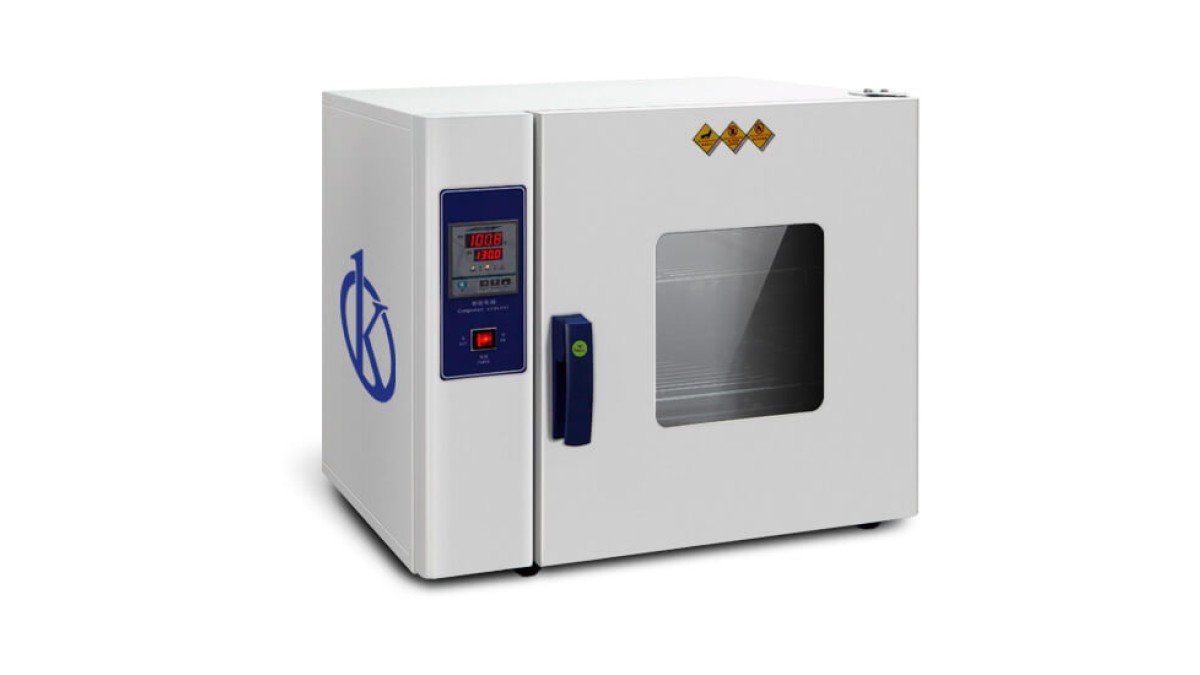
Drying Ovens: Applications in Research, Biotechnology, and Academia 2026
Drying ovens play a crucial role in various laboratory settings, particularly in research, biotechnology, and academic applications. Their ability to provide controlled heating and drying processes supports numerous tasks, from sterilization to material preparation. In this article, we will explore their uses, the evolution of technology, step-by-step usage instructions, best techniques and protocols, practical applications by laboratory type, relevant regulations, comparisons with alternative technologies, and much more.
What is it used for in 2026
In 2026, drying ovens are utilized for a wide range of purposes across different sectors. Their primary applications include:
- Drying: Removal of moisture from samples, ensuring accurate testing and analysis.
- Sterilization: Effective killing of bacteria and other pathogens through controlled heat application.
- Thermal treatment: Preparing samples for chemical analysis or physical testing.
- Storage: Maintaining temperature-sensitive materials under stable conditions.
- Material testing: Assessing material properties through consistent heating conditions.
History and evolution of the technology
The history of drying ovens dates back to the early 19th century, when laboratory practices began formalizing. Initially, simple hot air ovens were used, which required manual adjustments to maintain temperature. With advancements in technology, the introduction of PID (Proportional Integral Derivative) controllers allowed for precise temperature control, enhancing efficiency and results. The modern drying ovens now feature sophisticated microcomputer controls, making them an indispensable tool for laboratories in 2026.
How to use it step by step
Using a drying oven effectively is essential for achieving reliable results. Below is a step-by-step guide:
- Preparation: Ensure the oven is clean and free from previous samples.
- Settings: Set the desired temperature and drying time using the control panel.
- Sample Placement: Arrange samples evenly on the shelves to allow for proper air circulation.
- Monitoring: Check the temperature and time settings periodically to ensure they remain constant.
- Completion: Once the drying cycle is complete, allow samples to cool before removal.
- Documentation: Record the results and any observations made during the process.
Best techniques and protocols
To optimize the use of drying ovens, adhere to the following techniques and protocols:
- Uniform Loading: Distribute materials evenly to ensure consistent heating.
- Temperature Calibration: Regularly calibrate the temperature settings against reliable standards.
- Shelf Placement: Place larger samples on lower shelves and smaller samples on higher shelves for better airflow.
- Using Desiccants: Incorporate desiccants when drying sensitive or moisture-absorbent materials.
- Routine Checks: Conduct periodic checks for any discrepancies in temperature or operation.
Practical applications by laboratory type
Drying ovens are versatile and find applications in various laboratory types:
- Biotechnology Laboratories: Used for drying biological samples and sterilizing equipment.
- Chemical Laboratories: Essential for drying chemical compounds before analysis.
- Academic Institutions: Employed in teaching laboratories for experiments in materials science and biology.
- Research Facilities: Commonly utilized for preparing samples for various research projects.
Regulations, standards and certifications
Compliance with relevant regulations and standards is critical for laboratory operations. Key certifications for drying ovens include:
- ISO 9001: Quality management systems.
- ASTM Standards: Ensures consistent testing procedures across laboratories.
- CE Marking: Indicates compliance with European health, safety, and environmental requirements.
- UL Listing: Ensures safety in electrical appliances.
Comparison with alternative technologies
When evaluating drying ovens against alternative technologies, consider the following:
- Microwave Drying: Faster but may cause uneven drying and degradation of sensitive materials.
- Freeze Drying: Maintains material integrity but is more expensive and time-consuming.
- Vacuum Drying: Effective for heat-sensitive materials but requires specialized equipment.
- Convection Ovens: Generally less precise than drying ovens but can handle larger volumes.
Comparison of available models
| Model | Best for | Key specs | Recommended use case |
|---|---|---|---|
| YR05244 | Laboratory drying with high uniformity | Temperature Range: RT+5~250, Precision: ±0.1°C | Ideal for high-precision drying tasks |
| YR05245 | General laboratory applications | Temperature Range: RT+5~250, Precision: ±0.1°C | Suitable for routine drying and sterilization |
| YR05246 | High-capacity drying | Temperature Range: RT+5~250, Precision: ±0.1°C | Great for large sample volumes |
| YR05247 | Advanced thermal treatment | Temperature Range: RT+5~250, Precision: ±0.1°C | Excellent for temperature-sensitive materials |
| YR05248-A | Routine laboratory use | Temperature Range: RT+5~250, Precision: ±1°C | Cost-effective for general applications |
| YR05249-A | Economical drying solutions | Temperature Range: RT+5~250, Precision: ±1°C | Recommended for budget-conscious labs |
Common mistakes and how to avoid them
To ensure optimal performance and results when using drying ovens, be aware of these common mistakes:
- Overloading: Placing too many items can obstruct airflow and lead to uneven drying.
- Ignoring Temperature Settings: Not monitoring or calibrating the temperature can result in inadequate drying.
- Inadequate Cleaning: Always clean the drying oven after use to prevent contamination of future samples.
- Failure to Document: Not keeping records of drying times and temperatures can hinder reproducibility.
Maintenance, calibration and good practices 2026
To ensure longevity and accuracy of drying ovens, implement the following maintenance practices:
- Regular Calibration: Schedule routine calibrations to ensure temperature settings are accurate.
- Cleaning Protocols: Clean the interior and exterior regularly to avoid contamination and buildup.
- Inspect Seals and Gaskets: Check for wear and replace if necessary to maintain energy efficiency.
- Document Maintenance Activities: Keep a log of maintenance and calibration efforts for compliance and optimization.
Cost-benefit analysis 2026
Conducting a cost-benefit analysis for drying ovens involves assessing:
- Initial Costs: Evaluate the purchase price against the lab budget.
- Operational Costs: Consider electricity usage and maintenance expenses over time.
- Efficiency Gains: Analyze the time saved and improved results from using advanced drying ovens.
- Return on Investment: Calculate how quickly the equipment pays for itself through increased productivity.
Frequently asked questions
What types of samples are best suited for drying ovens?
Drying ovens are ideal for a variety of samples, including biological materials, chemicals, textiles, and glassware. However, always consider the temperature sensitivity of the sample to prevent degradation.
How often should I calibrate my drying oven?
It is recommended to calibrate your drying oven at least once a month or before any critical experiments to ensure accuracy in temperature settings.
Can I use my drying oven for sterilization purposes?
Yes, drying ovens can be used for sterilization. However, ensure that the temperature and time settings are appropriate for the items being sterilized to effectively kill pathogens.
What is the maximum temperature I can set?
Most drying ovens can typically reach temperatures between RT+5 to 250°C. Always refer to the specific model manual for exact specifications.
Are there any safety precautions to consider when using a drying oven?
Always ensure proper ventilation, avoid overloading, and regularly check for any signs of malfunction or wear. Additionally, be cautious of hot surfaces when operating the oven.
Is it advisable to leave samples unattended in the oven?
Leaving samples unattended is not advisable, especially for prolonged periods. Monitor the drying process to ensure optimal results and safety.
Where can I request a quote for a drying oven?
You can easily request a quote through our online platform, where we provide options tailored to your laboratory's needs.
If you are looking for a fusion of innovation and quality, you have come to the right place. At Kalstein, we offer you the luxury of exploring our exclusive catalog of laboratory equipment. We manufacture every device to the highest standards of excellence. Our intuitive and seamless online purchasing channels are designed for your convenience, securing the most competitive prices. Hesitate no longer — we bring science to life, it is time to become part of our community.