Horizontal Electrophoresis: Common Mistakes and How to Avoid Them in Daily Operation 2026
What is it used for in 2026
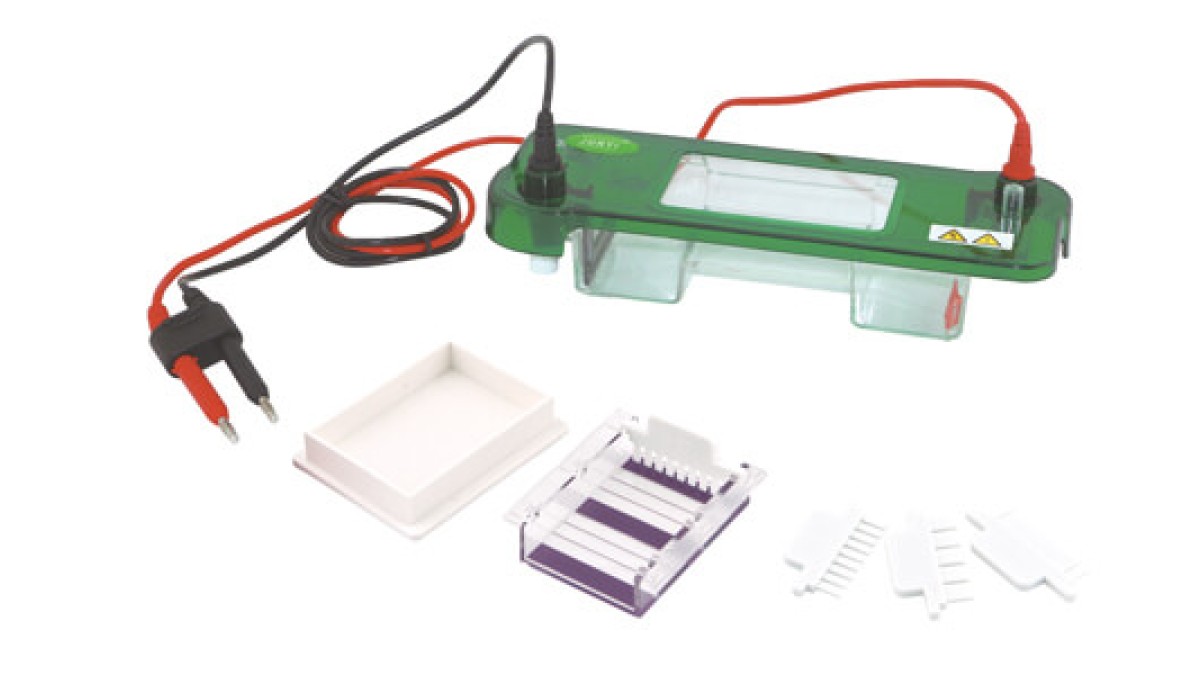
Horizontal electrophoresis is widely used in various biological and biochemical laboratories for the separation and analysis of nucleic acids and proteins. In 2026, it plays a crucial role in applications such as DNA and RNA analysis, protein profiling, and the assessment of genetic materials. The technique enables researchers to visualize and quantify biomolecules, making it essential for applications in genetic research, clinical diagnostics, and molecular biology.
History and evolution of the technology
Electrophoresis technology has evolved significantly since its inception. Initially developed in the early 20th century, it has undergone various enhancements in methodology and equipment design, leading to the sophisticated horizontal electrophoresis systems available today. Early models were limited in capacity and resolution; however, advancements in gel formulations and electric field applications have revolutionized the technology, providing higher resolution and faster run times.
How to use it step by step
The following steps outline the procedure for using horizontal electrophoresis effectively:
- Preparation of Gel: Prepare the agarose gel according to the required concentration for the intended analysis.
- Sample Loading: Load the samples and markers into the wells of the gel carefully to avoid cross-contamination.
- Buffer Preparation: Ensure the running buffer is prepared correctly and filled in the electrophoresis tank to the required level.
- Run the Electrophoresis: Connect the power supply, set the voltage, and initiate the electrophoresis run.
- Visualization: After running, visualize the gel using appropriate staining methods and analyze the results.
Best techniques and protocols
Best practices in horizontal electrophoresis include using freshly prepared gels, calibrating the power supply, and ensuring consistent sample loading. Utilizing control samples is also recommended for reliable results. For nucleic acid analysis, techniques such as ethidium bromide staining or SYBR Green can enhance visualization, while for proteins, Coomassie Blue staining is commonly used.
Practical applications by laboratory type
Depending on the laboratory type, horizontal electrophoresis finds diverse applications:
- Clinical Laboratories: Used for genetic testing and disease diagnostics.
- Research Laboratories: Essential for molecular cloning, sequencing projects, and protein analysis.
- Educational Institutions: An important tool for teaching electrophoresis principles in biological sciences.
Regulations, standards and certifications
Vertical electrophoresis units must comply with international standards and safety regulations. ISO certifications in laboratory practices ensure the reliability of results and the safety of laboratory personnel. Additionally, adherence to local regulations regarding chemical waste disposal and biohazard management is crucial in electrophoresis operations.
Comparison with alternative technologies
Horizontal electrophoresis is often compared to vertical electrophoresis, capillary electrophoresis, and other separation techniques. Horizontal systems are generally easier to handle, provide better visualization for nucleic acids, and are more suitable for preparative work compared to vertical systems which may offer higher resolution for specific applications.
Comparison of available models
| Model | Best for | Key specs | Recommended use case |
|---|---|---|---|
| YR03415 | Standard DNA/RNA analysis | Gel Size: 186x205mm; Sample Volume: 3-9; Buffer Volume: ~150ml | Ideal for general purpose electrophoresis tasks. |
| YR03416 | Small sample analysis | Gel Size: 78x100mm; Sample Volume: 10-15; Buffer Volume: ~400ml | Best for smaller sample volumes and educational purposes. |
| YR03417 | Versatile applications | Gel Size: Multiple sizes; Sample Volume: 3-25; Buffer Volume: ~550ml | Suitable for a variety of experimental setups. |
| YR03418 | Higher sample throughput | Gel Size: Multiple sizes; Sample Volume: 1-29; Buffer Volume: ~900ml | Great for high-throughput analysis. |
| YR03419 | Protein separation | Gel Size: Multiple sizes; Sample Volume: 3-26; Buffer Volume: ~600ml | Designed for effective protein electrophoresis. |
| YR03420 | Large-scale experiments | Gel Size: 200x200mm; Sample Volume: 17-44; Buffer Volume: ~1800ml | Ideal for large-scale research applications. |
Common mistakes and how to avoid them
Common mistakes in horizontal electrophoresis include:
- Improper Gel Concentration: Ensure the gel concentration matches the sample size and type to avoid resolution issues.
- Overloading Samples: Avoid loading too much sample into wells as it can lead to distorted bands.
- Incorrect Buffer Preparation: Follow precise buffer recipes to maintain pH and ionic strength.
- Insufficient Running Time: Allow adequate running time for proper separation.
Maintenance, calibration and good practices 2026
Regular maintenance of horizontal electrophoresis systems is essential. Ensure that:
- Power supplies are calibrated regularly.
- Gels are made fresh and stored appropriately if not used immediately.
- Electrophoresis tanks are cleaned thoroughly after each use to avoid contamination.
Cost-benefit analysis 2026
Investing in horizontal electrophoresis systems can yield significant benefits such as:
- Cost-effective for routine analysis compared to outsourcing.
- Increased throughput and reduced analysis times.
- Enhanced precision and reproducibility in experimental results.
Frequently asked questions
What should I consider when choosing a horizontal electrophoresis unit?
Consider the gel size, sample volume capacity, and the specific applications you intend to use it for. Ensure the model you choose meets your laboratory needs for resolution and throughput.
How can I prevent sample contamination during loading?
Use clean pipette tips for each sample, avoid touching the gel directly, and consider using a loading dye to enhance visibility and accuracy during loading.
What maintenance is required for horizontal electrophoresis systems?
Regularly clean the electrophoresis tank, check the power supply calibration, and ensure gels are prepared freshly before use.
How do I optimize resolution in electrophoresis?
Optimize the gel concentration based on the size of the molecules being analyzed, and ensure consistent sample loading across all wells.
What are the most common errors in electrophoresis and how can they be avoided?
The most common errors include improper gel concentration, sample overloading, and incorrect buffer preparation. Follow established protocols and guidelines to minimize these errors.
How should results from horizontal electrophoresis be documented?
Document results with high-quality digital images of the gel, noting the conditions used for each run, and maintain a proper laboratory notebook for reproducibility.
Can I use horizontal electrophoresis for protein analysis?
Yes, horizontal electrophoresis is suitable for protein analysis, especially when using appropriate staining techniques and gel formulations tailored for proteins.
If you are looking for a fusion of innovation and quality, you have come to the right place. At Kalstein, we offer you the luxury of exploring our exclusive catalog of laboratory equipment. We manufacture every device to the highest standards of excellence. Our intuitive and seamless online purchasing channels are designed for your convenience, securing the most competitive prices. Hesitate no longer — we bring science to life, it is time to become part of our community.