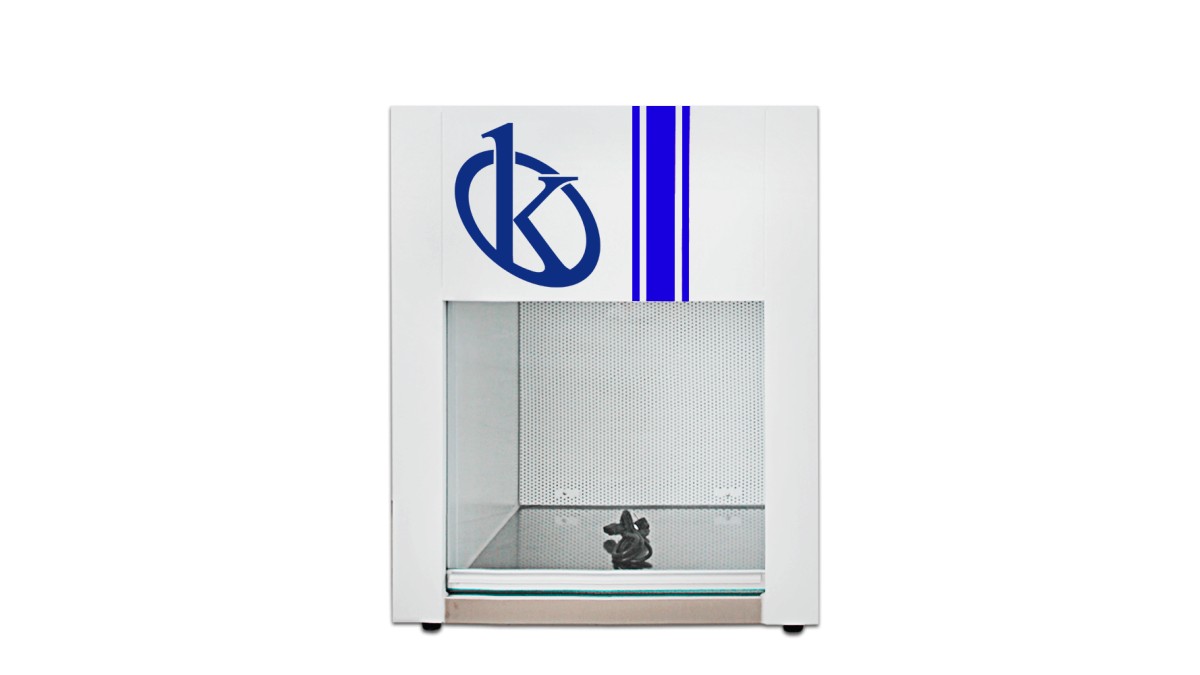
Horizontal Laminar Flow Clean Benches: Common Mistakes and How to Avoid Them in Daily Operations 2026
What is it used for in 2026
Horizontal Laminar Flow Clean Benches are essential in laboratories where maintaining a sterile environment is crucial. They are primarily used for work with sensitive biological samples, pharmaceutical preparations, and research that requires contamination-free conditions. These benches ensure that the airflow is clean and free from contaminants, thereby protecting the samples from airborne particles and microbial contamination.
History and evolution of the technology
The technology behind laminar flow clean benches has evolved significantly since its inception in the mid-20th century. Originally designed for industrial applications, they have been adapted for laboratory use, with improvements in filtration systems, airflow dynamics, and user interface designs. Over the years, the transition from basic airflow designs to sophisticated HEPA filters and efficient illumination systems has dramatically enhanced the effectiveness and usability of these clean benches.
How to use it step by step
Using a Horizontal Laminar Flow Clean Bench involves several critical steps to ensure optimal performance:
- Preparation: Before operating the clean bench, ensure that the workspace is organized and that all necessary materials are sterilized.
- Power On: Turn on the clean bench and allow it to run for at least 10-15 minutes before beginning work to ensure that the airflow stabilizes.
- Check Filters: Regularly inspect and replace HEPA filters as recommended to maintain air quality.
- Work Procedures: Always work within the designated airflow area and avoid blocking the airflow with large objects.
- Post-Use Protocol: After completing work, turn off the UV lights and clean the workspace thoroughly before powering down the unit.
Best techniques and protocols
Implementing best practices while using Horizontal Laminar Flow Clean Benches can prevent contamination. Some techniques include:
- Use sterile tools and materials only.
- Minimize airflow disruption by maintaining a clutter-free workspace.
- Ensure proper gowning and decontamination protocols for personnel.
- Conduct regular maintenance checks as per the manufacturer’s guidelines.
Practical applications by laboratory type
Different laboratories utilize Horizontal Laminar Flow Clean Benches for specific applications:
- Clinical Laboratories: Used for specimen processing and microbiological assays.
- Pharmaceutical Labs: Ideal for sterile drug preparation and compounding.
- Research Labs: Facilitate safe handling of cell cultures and sensitive biological materials.
Regulations, standards and certifications
Horizontal Laminar Flow Clean Benches must comply with various regulations and standards such as ISO 14644 for cleanrooms and the US Federal Standard 209E. Regular certification of the equipment is essential to ensure compliance with these standards to maintain laboratory accreditation.
Comparison with alternative technologies
While Horizontal Laminar Flow Clean Benches are widely used, they are often compared with other technologies such as Biological Safety Cabinets (BSCs) and Conventional Ventilation Systems. BSCs provide additional protection against biohazards, while conventional systems may not guarantee airflow containment as effectively.
Comparison of available models
| Model | Best for | Key specs | Recommended use case |
|---|---|---|---|
| YR05723 | General laboratory tasks | Class 100, 240.00 USD | Ideal for small-scale experiments requiring sterile conditions. |
| YR05724 | Pharmaceutical applications | Class 100, 300.00 USD | Best for compounding sterile medications. |
| YR05726 | Cell culture work | Class 100, 420.00 USD | Focused on maintaining sterile environments for cell cultures. |
| YR05727 | Advanced laboratory settings | Class 100, 650.00 USD | Suitable for high-precision tasks requiring stringent sterility. |
| YR05728 | Research applications | Class 100, 660.00 USD | Used extensively for experimental research that requires a sterile environment. |
| YR05729 | High throughput laboratories | Class 100, 1020.00 USD | Best for operations with large sample volumes needing sterility. |
Common mistakes and how to avoid them
Some common errors made when using Horizontal Laminar Flow Clean Benches include:
- Ignoring airflow patterns: Always work in the airflow zone to maintain sterility.
- Improper cleaning techniques: Use approved cleaning agents and follow a standard protocol.
- Neglecting filter maintenance: Schedule regular checks to replace HEPA filters as needed.
Maintenance, calibration and good practices 2026
Maintaining Horizontal Laminar Flow Clean Benches involves regular calibration and cleaning:
- Follow a maintenance schedule recommended by the manufacturer.
- Calibrate the airflow and lighting systems periodically.
- Train personnel on proper operational techniques and cleaning protocols.
Cost-benefit analysis 2026
The investment in Horizontal Laminar Flow Clean Benches is justified by the benefits they provide in terms of contamination prevention and improved sample integrity. An analysis of operational costs versus the potential loss from sample contamination can illustrate substantial long-term savings.
Frequently asked questions
How do I choose the right model for my laboratory?
Consider the specific applications and laboratory requirements, including space, types of experiments, and necessary airflow class.
Can I use a clean bench for all types of experiments?
While clean benches are versatile, they are not suitable for handling pathogenic materials or volatile substances; a biological safety cabinet may be more appropriate in those cases.
How often should I perform maintenance on my clean bench?
Regular maintenance should be performed according to the manufacturer's recommendations, typically every 6-12 months, depending on usage.
What is the importance of HEPA filter replacement?
Replacing HEPA filters ensures that the airflow remains contaminant-free and compliant with the required cleanliness standards.
What are the best practices for cleaning the workspace?
Use sterile wipes and solutions specifically approved for laboratory use, and follow a systematic cleaning protocol after each use.
Are there any training requirements for operating a clean bench?
Personnel should undergo training on proper operation, maintenance, and safety protocols to maximize efficiency and safety during use.
How do I ensure optimal airflow is maintained?
Avoid obstructing airflow pathways with materials and ensure the clean bench is calibrated according to specifications for airflow rates.
If you are looking for a fusion of innovation and quality, you have come to the right place. At Kalstein, we offer you the luxury of exploring our exclusive catalog of laboratory equipment. We manufacture every device to the highest standards of excellence. Our intuitive and seamless online purchasing channels are designed for your convenience, securing the most competitive prices. Hesitate no longer — we bring science to life, it is time to become part of our community.