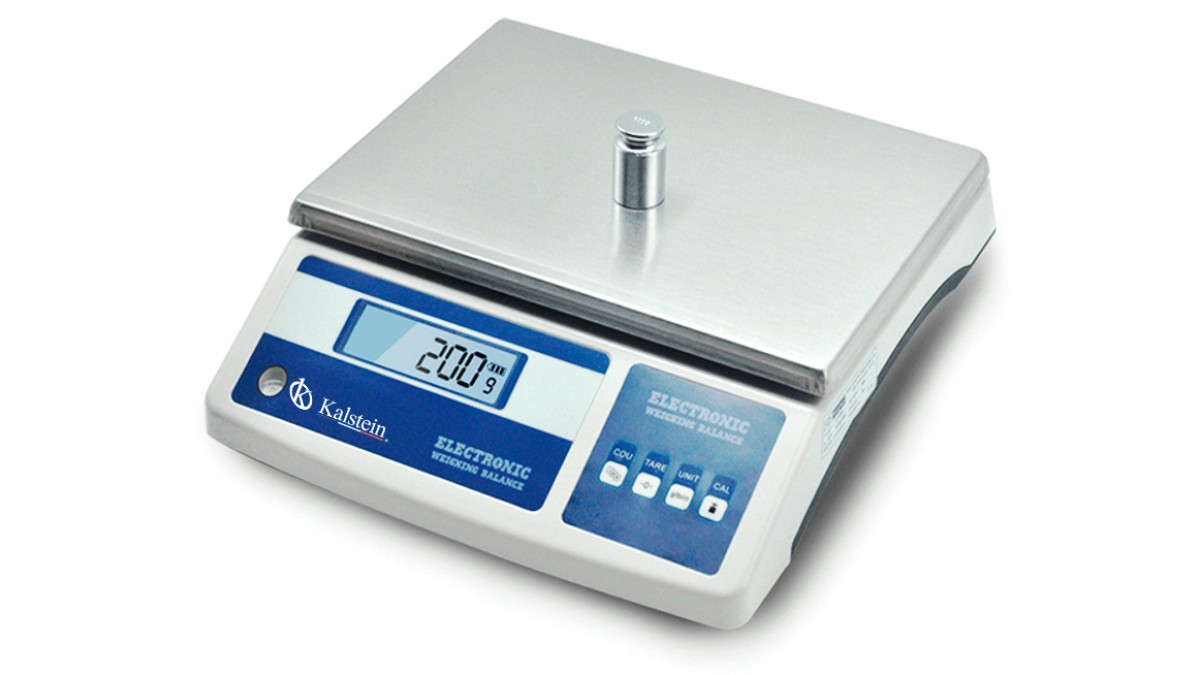
Industrial Balances: Practical Applications and Techniques 2026
Industrial balances play a crucial role in various laboratory settings, including clinical and hospital laboratories. These devices provide reliable measurements, ensuring accuracy in experiments and processes. This article explores the practical applications, techniques, and best practices for using industrial balances in 2026, aiming to guide laboratory professionals in optimizing their workflows.
What is it used for in 2026
In 2026, industrial balances are utilized for a wide range of applications across different types of laboratories. They are essential for weighing various substances, such as chemicals, biological samples, and materials used in experiments. Their precision is vital for ensuring that laboratory results are reliable and reproducible.
Industries utilize these balances for tasks such as:
- Measuring ingredients for formulations.
- Quality control measurements in production.
- Research and development applications, where accuracy is paramount.
- Weighing samples for analytical processes.
- Determining mass loss in experiments.
History and evolution of the technology
The evolution of industrial balances dates back to ancient times when simple beam balances were used. Over the centuries, technology has advanced significantly. Today, industrial balances incorporate digital technology, providing enhanced accuracy and ease of use.
The introduction of electronic balances in the late 20th century marked a significant leap, allowing for automated calibration and advanced measurement features. Modern designs also include user-friendly interfaces, automatic tare functions, and connectivity options for data transfer.
How to use it step by step
Using an industrial balance effectively involves several key steps:
- Preparation: Ensure the balance is placed on a stable, level surface. Avoid areas with vibrations or extreme temperatures.
- Calibration: Calibrate the balance according to the manufacturer's instructions to ensure accuracy.
- Tare Function: Use the tare function to zero the balance before placing your sample.
- Weighing: Carefully place the sample on the weighing pan, ensuring it does not touch the sides of the balance.
- Recording: Record the weight displayed on the screen. If the balance has connectivity features, save the data accordingly.
- Cleaning: After use, clean the weighing pan and surrounding area to maintain hygiene and prevent contamination.
Best techniques and protocols
To achieve accurate and reliable measurements, several best practices and techniques should be employed when using industrial balances:
- Regular Calibration: Schedule routine calibration as per the manufacturer's recommendations.
- Temperature Control: Ensure the balance is in a temperature-controlled room to avoid fluctuations that can affect measurements.
- Draft Shields: Use draft shields to minimize air currents that can impact weighing accuracy.
- Sample Handling: Always handle samples with care, using gloves or tweezers to avoid contamination and ensure precision.
- Routine Maintenance: Regularly check and maintain the balance to keep it in optimal working condition.
Practical applications by laboratory type
Different types of laboratories utilize industrial balances for specific applications:
- Clinical Laboratories: Used for weighing samples, reagents, and preparing solutions for tests.
- Research Laboratories: Essential for weighing experimental materials, ensuring precise formulations.
- Pharmaceutical Laboratories: Used in the preparation of drug formulations and quality control processes.
- Chemical Laboratories: Important for weighing chemicals accurately for reactions and experiments.
- Food Industry: Utilized for weighing ingredients in food formulation and quality assurance.
Regulations, standards and certifications
In 2026, industrial balances must comply with various regulations and standards, including:
- ISO Standards: Many balances are certified under ISO 9001 standards for quality management.
- OIML Certification: Equipment may also need to meet the International Organization of Legal Metrology guidelines.
- FDA Regulations: In pharmaceutical contexts, balances must adhere to FDA regulations regarding precision and reliability.
- Calibration Standards: Regular calibration is required to maintain compliance with industry standards.
Comparison with alternative technologies
While industrial balances are essential, there are alternative weighing technologies available. Common alternatives include:
- Analytical Balances: Offer higher precision but limited weight capacity compared to industrial balances.
- Portable Balances: Useful for fieldwork but may lack the accuracy and features of industrial models.
- Load Cells: Used in industrial settings for measuring force, but not specifically designed for weighing.
Industrial balances are favored for their versatility and reliability in laboratory settings.
Comparison of available models
| Model | Best for | Key specs | Recommended use case |
|---|---|---|---|
| YR05606 | General laboratory use | Capacity: 11kg, Readability: 1g | Measuring chemicals and samples |
| YR05607 | Large sample weighing | Capacity: 16kg, Readability: 1g | Quality control in production |
| YR05608 | Heavy sample weighing | Capacity: 21kg, Readability: 1g | Research applications |
| YR05609 | Very heavy samples | Capacity: 31kg, Readability: 1g | Industrial applications |
| YR05610 | Precision tasks | Capacity: 5.1kg, Readability: 0.1g | Analytical measurements |
| YR05611 | Standard laboratory tasks | Capacity: 11kg, Readability: 0.1g | General laboratory use |
| YR05612 | Medium samples | Capacity: 16kg, Readability: 0.1g | Food industry applications |
| YR05613 | Research & development | Capacity: 21kg, Readability: 0.1g | Experimental measurements |
| YR05614 | Heavy-duty applications | Capacity: 26kg, Readability: 0.1g | Industrial use |
Common mistakes and how to avoid them
Laboratory professionals often encounter common mistakes when using industrial balances. Here are some tips to avoid them:
- Not calibrating regularly: Ensure that calibration is performed routinely to maintain accuracy.
- Ignoring environmental factors: Always account for temperature, humidity, and air currents that could affect measurements.
- Overloading the balance: Respect the maximum capacity to avoid damaging the equipment.
- Failing to use the tare function: Always tare the balance before weighing to eliminate the weight of containers.
- Neglecting maintenance: Regularly clean and maintain the balance to ensure longevity and performance.
Maintenance, calibration and good practices 2026
Proper maintenance and calibration are crucial for the optimal performance of industrial balances. Here are some best practices for 2026:
- Daily checks: Perform daily checks for cleanliness and functionality.
- Scheduled calibration: Establish a regular calibration schedule based on usage and manufacturer's guidelines.
- Environmental controls: Ensure the balance is used in controlled environments to minimize external factors.
- Training: Provide adequate training for all personnel who will operate the balance.
- Documentation: Keep detailed records of calibration and maintenance activities.
Cost-benefit analysis 2026
When evaluating industrial balances, it's vital to consider a cost-benefit analysis:
- Initial investment: Assess the upfront cost against the features and capabilities of the balance.
- Long-term savings: Consider savings from increased accuracy, reduced errors, and potential rework costs.
- Operational efficiency: Evaluate how the balance improves workflow and productivity.
- Maintenance costs: Factor in ongoing maintenance and calibration expenses.
Investing in a high-quality industrial balance can lead to significant long-term benefits in laboratory operations.
Frequently asked questions
What factors should I consider when choosing an industrial balance?
Key factors to consider include capacity, readability, ease of use, available features, and compliance with industry standards.
How often should I calibrate my balance?
Calibration frequency depends on usage, but regular checks (at least monthly) are recommended for accurate measurements.
Can I use an industrial balance in a field environment?
While some models are portable, industrial balances are primarily designed for controlled laboratory environments to ensure accuracy.
What common mistakes should I avoid while using industrial balances?
Avoid mistakes like neglecting calibration, overloading the balance, and failing to account for environmental factors.
How can I ensure the longevity of my industrial balance?
Regular maintenance, proper usage, and adherence to calibration schedules will help maintain your balance's performance and longevity.
What certifications should I look for in an industrial balance?
Look for certifications such as ISO 9001, OIML compliance, and adherence to FDA regulations for pharmaceutical applications.
How can I request a quote for an industrial balance?
You can easily request a quote through our online platform, where you can find various models and specifications to suit your needs.
If you are looking for a fusion of innovation and quality, you have come to the right place. At Kalstein, we offer you the luxury of exploring our exclusive catalog of laboratory equipment. We manufacture every device to the highest standards of excellence. Our intuitive and seamless online purchasing channels are designed for your convenience, securing the most competitive prices. Hesitate no longer — we bring science to life, it is time to become part of our community.