Laboratory Equipment: Practical Applications and Techniques 2026
Laboratory equipment plays a crucial role in various fields such as research, biotechnology, and academia. Understanding how to utilize this equipment effectively can significantly enhance laboratory workflows and research outcomes. This article delves into the practical applications and techniques of laboratory equipment in 2026, providing a comprehensive overview for laboratory professionals.
What is it used for in 2026
In 2026, laboratory equipment is used extensively across multiple disciplines for tasks ranging from basic experimentation to advanced research. Key applications include:
- Research: Facilitating experiments and data collection.
- Biotechnology: Applications in drug development and genetic engineering.
- Academia: Enhancing learning and research capabilities in educational institutions.
- Clinical Laboratories: Used for diagnostics and testing.
- Quality Control: Ensuring the safety and efficacy of products in various industries.
History and evolution of the technology
The evolution of laboratory equipment has been marked by several key advancements:
- Early Innovations: Basic tools like microscopes and pipettes emerged in the 17th century, revolutionizing the way scientists observed and manipulated samples.
- Industrial Revolution: The demand for precision in laboratory work led to the development of mechanical instruments.
- Digital Revolution: The introduction of electronic devices improved accuracy and efficiency in experiments.
- Modern Advancements: Integration of AI and automation in laboratory equipment has streamlined workflows and data analysis.
How to use it step by step
Using laboratory equipment effectively requires a systematic approach. Here’s a step-by-step guide:
- Familiarize Yourself: Understand the functionality and specifications of the equipment.
- Prepare Your Workspace: Ensure your workspace is clean and organized.
- Gather Necessary Materials: Collect all required samples and reagents before starting.
- Calibration: Calibrate the instruments according to the manufacturer’s instructions.
- Perform the Experiment: Follow the established protocols for your experiment.
- Record Data: Document all findings accurately for analysis.
- Clean Up: Properly clean and store all equipment after use.
Best techniques and protocols
Implementing best practices in laboratory techniques is essential for achieving reliable results. Some recommended techniques and protocols include:
- Consistent Calibration: Regularly calibrate equipment to maintain accuracy.
- Standard Operating Procedures (SOPs): Develop and follow SOPs for all laboratory processes.
- Quality Assurance: Implement quality control measures to ensure data integrity.
- Documentation: Maintain thorough records of all experiments and results.
Practical applications by laboratory type
Different types of laboratories utilize equipment for specific applications:
- Research Laboratories: Focus on experimental procedures for scientific discovery.
- Clinical Laboratories: Utilize equipment for diagnostic testing and patient care.
- Industrial Laboratories: Engage in product testing and quality assurance.
- Environmental Laboratories: Monitor and analyze environmental samples for pollutants.
Regulations, standards and certifications
Compliance with regulations and standards is essential in laboratory settings:
- ISO Standards: Ensure that laboratory processes meet international quality standards.
- Good Laboratory Practice (GLP): Adhere to guidelines that ensure quality and integrity in research.
- Safety Certifications: Equipment should meet safety regulations to protect laboratory personnel.
Comparison with alternative technologies
Understanding alternative technologies helps in selecting the most appropriate equipment:
- Traditional Instruments: Basic instruments may lack the precision and automation of modern equipment.
- Digital Devices: Offer enhanced accuracy but may require training to use effectively.
- Automated Systems: Provide high-throughput capabilities, ideal for large-scale testing.
Comparison of available models
| Model | Best for | Key specs | Recommended use case |
|---|---|---|---|
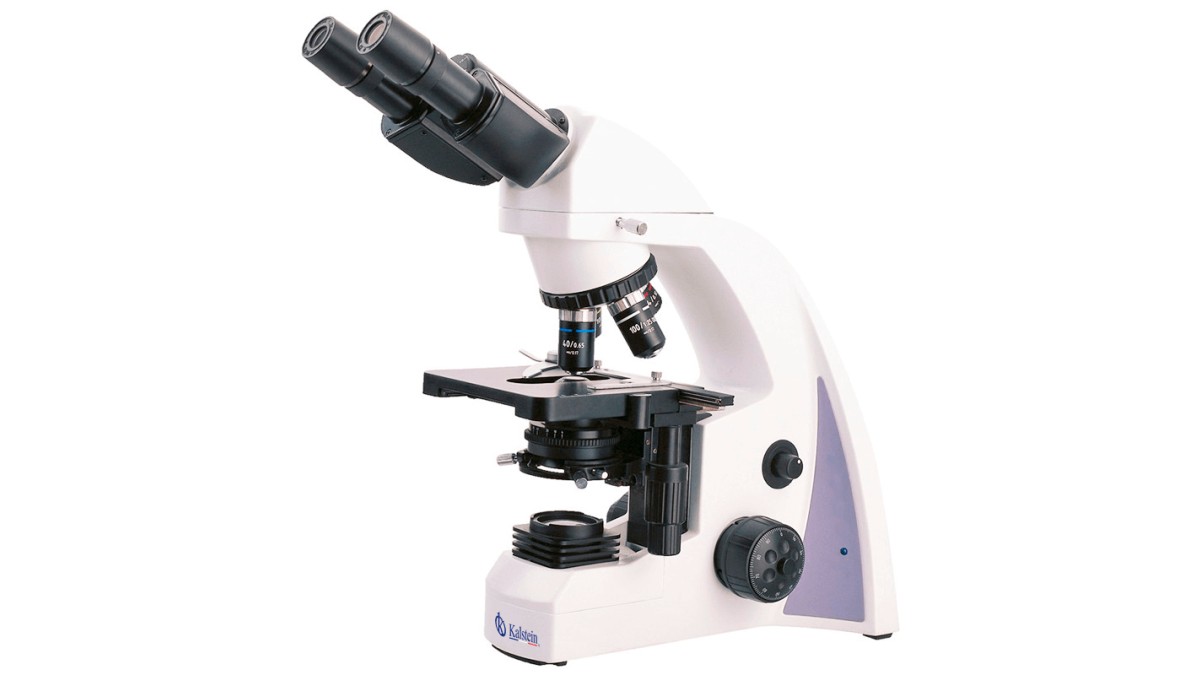
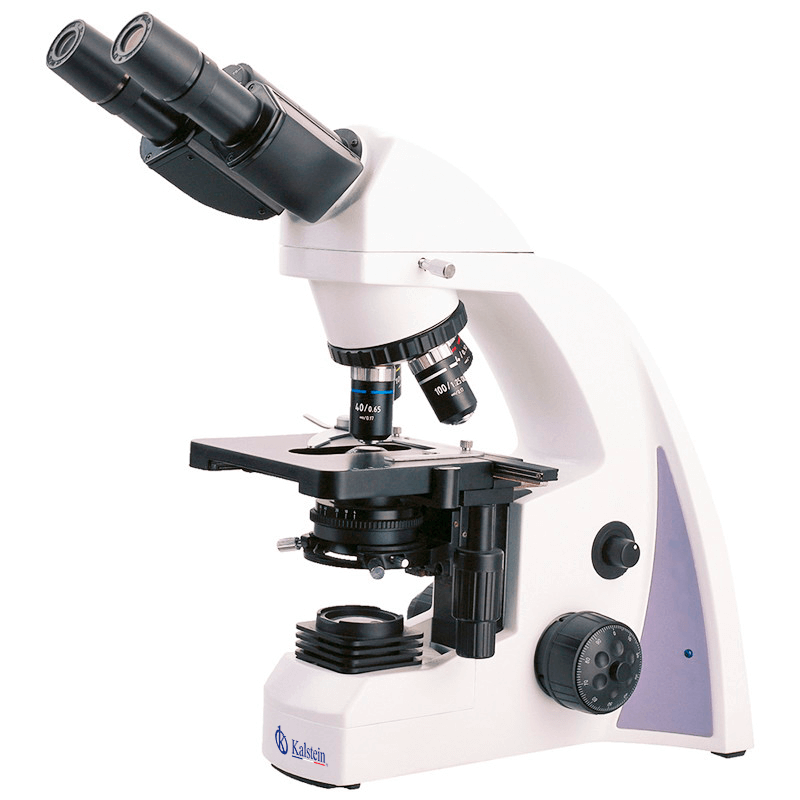
| YR0237-0-1 | Microscopy | Wide-field eyepiece WF 10x/18 mm, Acromatic lens 4x, 10x, 40x, 100x, Adjustable condenser N.A1.25 | General microscopy applications in research and education. |
| YR0237-1 | Microscopy | Wide-field eyepiece WF 10x/18 mm, Acromatic lens 4x, 10x, 40x, 100x, Adjustable condenser N.A1.25 | Detailed examination of specimens in biology and material science. |
| YR0237-1-1 | Microscopy | Wide-field eyepiece WF 10x/18 mm, Acromatic lens 4x, 10x, 40x, 100x, Adjustable condenser N.A1.25 | Advanced microscopy tasks for higher education and research. |
| YR03731-1 | Pipetting | Volume range 10 μl, Accuracy ±1.0%, Repetability ≤0.50% | Precise liquid handling in molecular biology. |
| YR03731-2 | Pipetting | Volume range 20 μl, Accuracy ±1.0%, Repetability ≤0.30% | Controlled dispensing of reagents for experiments. |
| YR03731-3 | Pipetting | Volume range 25 μl, Accuracy ±1.0%, Repetability ≤0.30% | Research applications requiring precise liquid measurement. |
Common mistakes and how to avoid them
To ensure successful laboratory operations, avoid these common mistakes:
- Neglecting Calibration: Regularly calibrate equipment to maintain accuracy.
- Poor Documentation: Keep thorough records to track experiments and results.
- Ignoring Safety Protocols: Always adhere to safety guidelines to protect personnel.
- Inadequate Training: Ensure all users are properly trained on equipment usage.
Maintenance, calibration and good practices 2026
Proper maintenance and calibration are vital for reliable laboratory equipment:
- Regular Maintenance: Schedule routine checks and servicing of laboratory instruments.
- Calibration Procedures: Follow the manufacturer’s instructions for calibration to ensure precision.
- Good Laboratory Practices: Implement and adhere to best practices to enhance laboratory efficiency.
Cost-benefit analysis 2026
When evaluating laboratory equipment, consider the cost-benefit ratio:
- Initial Investment: Assess the upfront costs versus the expected lifespan of the equipment.
- Operating Costs: Factor in maintenance, calibration, and consumables needed for operation.
- Return on Investment: Determine how the equipment can enhance productivity and research outcomes.
Frequently asked questions
What is the best way to maintain laboratory equipment?
Regular cleaning, calibration, and adherence to manufacturer guidelines ensure optimal performance and longevity of laboratory equipment.
How often should laboratory equipment be calibrated?
Calibration frequency depends on usage; however, regular checks (monthly or quarterly) are recommended to maintain accuracy.
What are the guidelines for safe laboratory practices?
Follow safety protocols, wear appropriate personal protective equipment, and maintain a clean and organized workspace.
How do I choose the right model of laboratory equipment?
Consider the specific application, required precision, and budget when selecting a laboratory model.
What are common mistakes to avoid when using pipettes?
Ensure proper technique, avoid air bubbles, and frequently check for calibration to prevent errors in liquid measurement.
What role do regulations play in laboratory equipment usage?
Regulations ensure that equipment meets safety and quality standards, protecting both users and the integrity of research.
How can I request a quote for laboratory equipment?
Visit our platform to easily request a quote and explore a variety of laboratory equipment tailored to your needs.
If you are looking for a fusion of innovation and quality, you have come to the right place. At Kalstein, we offer you the luxury of exploring our exclusive catalog of laboratory equipment. We manufacture every device to the highest standards of excellence. Our intuitive and seamless online purchasing channels are designed for your convenience, securing the most competitive prices. Hesitate no longer — we bring science to life, it is time to become part of our community.