Incubators

Incubators play a vital role in laboratories, providing controlled environments essential for various biological and chemical processes. These devices ensure optimal temperature, humidity, and gas levels, fostering ideal conditions for cell growth and microbial cultures.
Choosing the right incubator can significantly impact research outcomes. Understanding the different types of incubators available helps ensure that your laboratory meets its specific experimental needs efficiently and effectively.
Types of incubators your laboratory may need
CO2 incubator
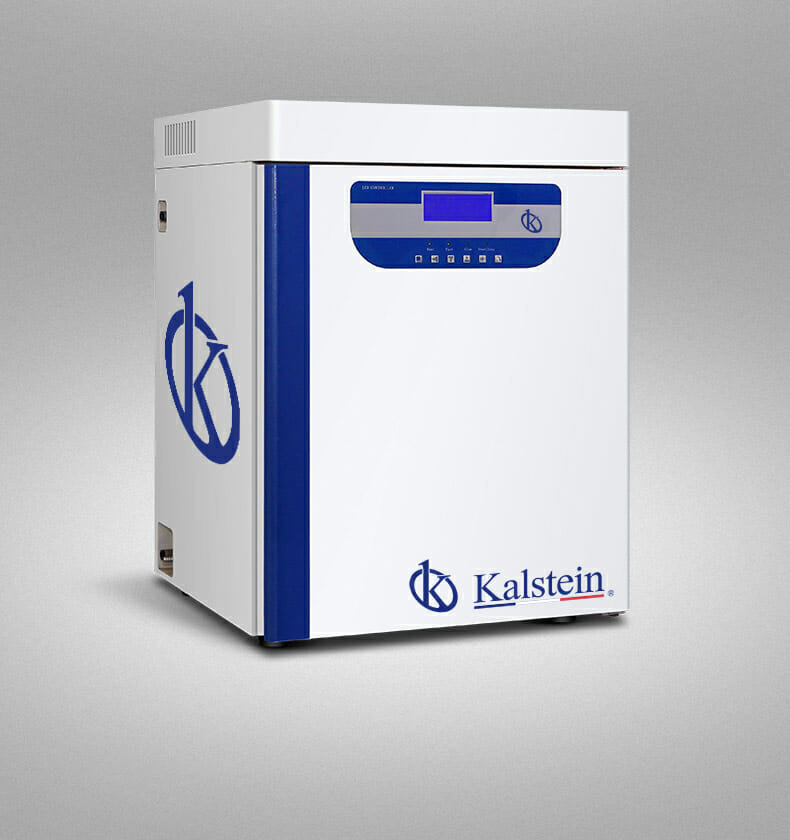
CO2 incubators are designed for cell culture applications that require a controlled CO2 atmosphere. These incubators maintain precise temperature and humidity levels, ideal for growing various cell types, including animal and human cells.
They are essential in research and clinical laboratories, providing the necessary conditions for optimal cell growth and proliferation.
Constant temperature and humidity incubator
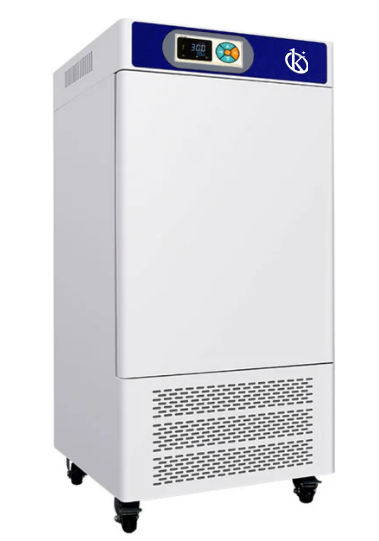
Constant temperature and humidity incubators are crucial for experiments requiring stable environmental conditions. These incubators are equipped with advanced systems that ensure uniform temperature and humidity distribution, minimizing fluctuations that could affect experimental results.
They are commonly used in microbiological studies, plant growth research, and various applications in biotechnology.
Constant temperature incubator

Constant temperature incubators provide stable temperature control for a range of applications, including bacterial growth and enzyme assays. They are designed to maintain specific temperature settings with precision, ensuring that samples are kept in optimal conditions.
These incubators are essential for laboratories focusing on microbiology, molecular biology, and other life sciences.
Dry Bath Incubator
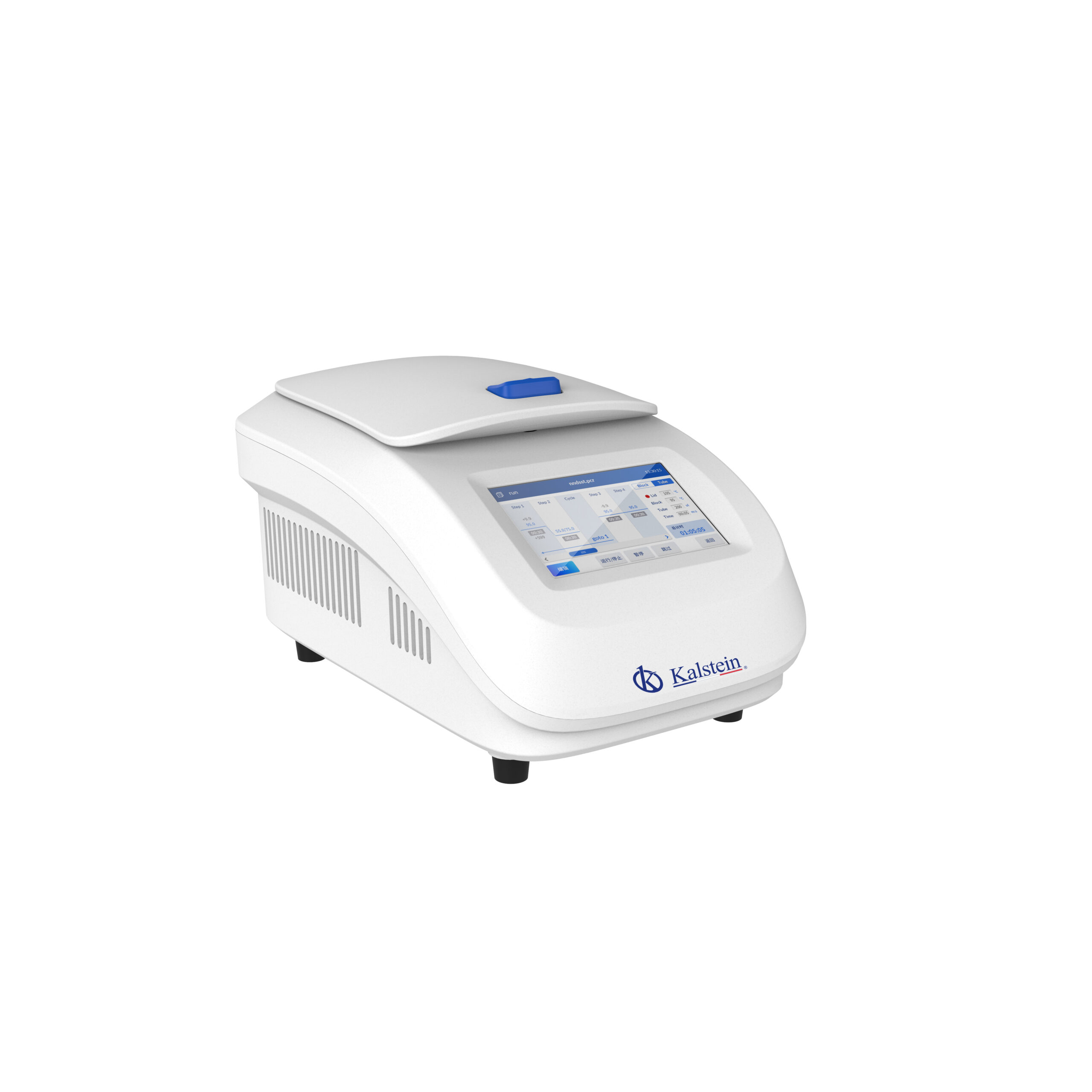
Dry bath incubators are versatile devices used for warming samples in various laboratory settings. They offer precise temperature control without the use of water, making them ideal for applications such as DNA amplification and enzyme reactions.
These incubators are compact and energy-efficient, suitable for both research and clinical laboratories.
Microbiological Incubators
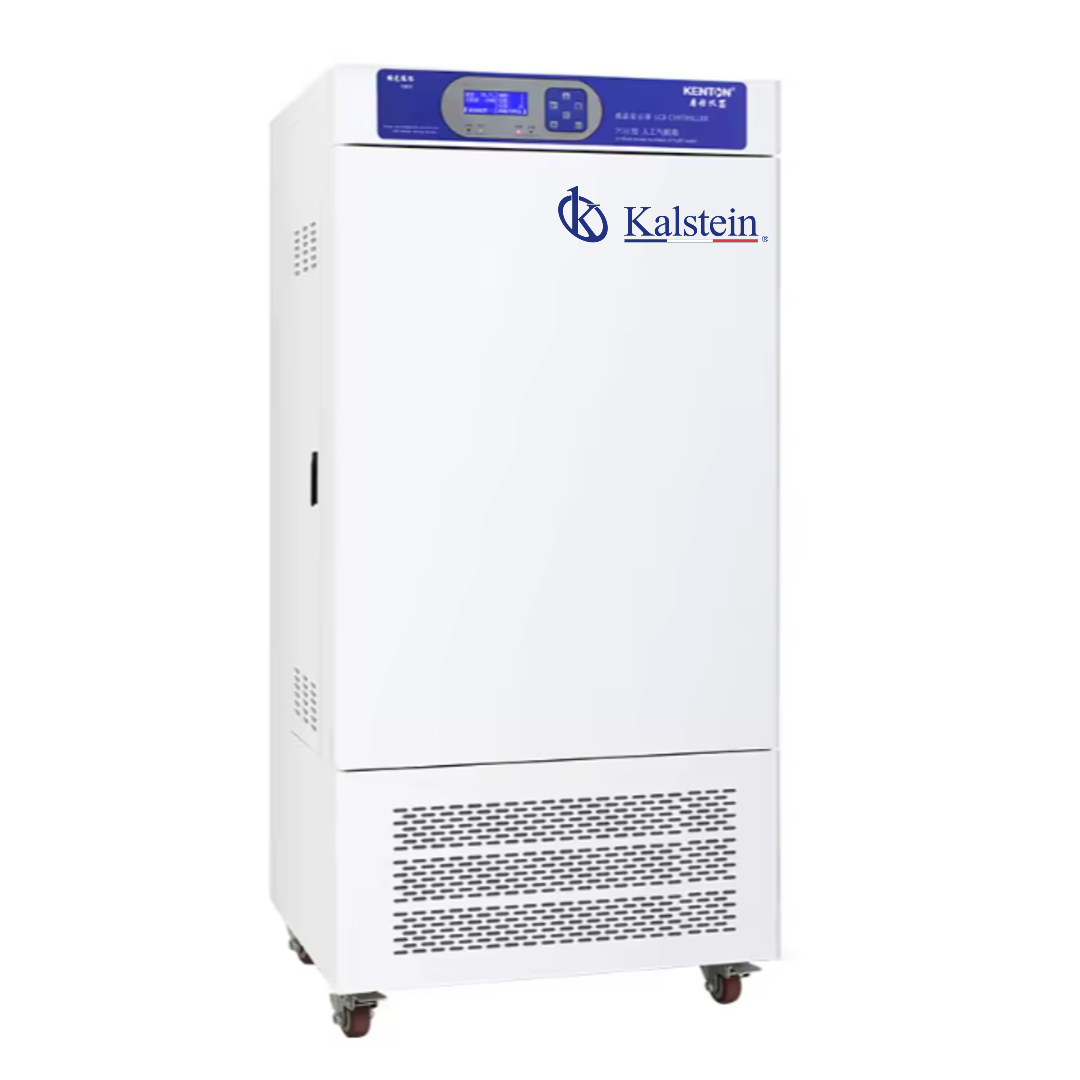
Microbiological incubators are designed for the growth of microorganisms under controlled conditions. These devices provide optimal temperature and humidity levels, essential for cultivating bacteria, yeast, and other microbial cultures.
They are widely used in clinical, environmental, and food safety laboratories, ensuring accurate and reproducible results in microbiological testing.
Mini Dry Bath Incubator
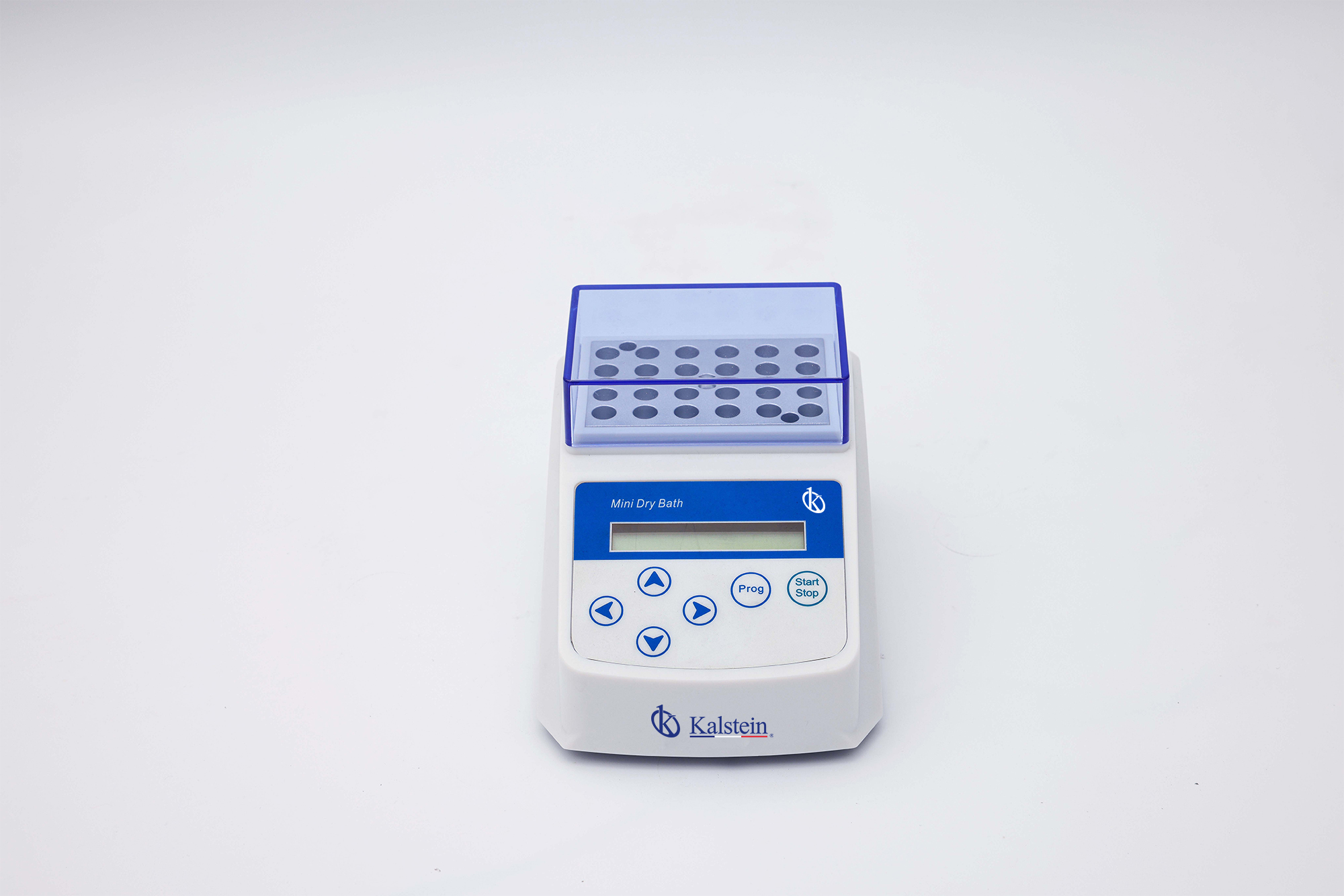
Mini dry bath incubators are compact solutions for labs with limited space. They provide precise temperature control for small sample volumes, making them ideal for PCR, enzyme assays, and other applications.
Their portability and efficiency make them a popular choice for fieldwork and smaller laboratory setups.
Shaker Incubator
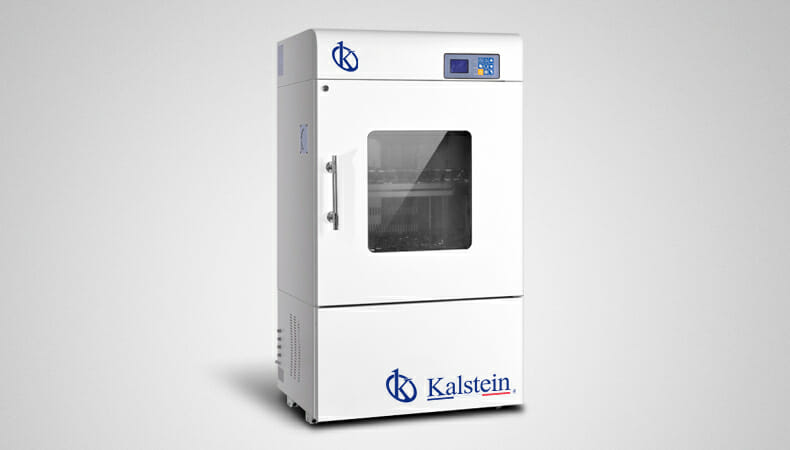
Shaker incubators combine heating and shaking to provide optimal growth conditions for cell cultures. These incubators enable uniform mixing of samples, promoting better nutrient absorption and cell growth.
They are particularly useful for applications in microbiology, biochemistry, and molecular biology, where consistent agitation is crucial.
Thermostat Waterbath Incubator

Thermostat waterbath incubators are designed for maintaining samples at a constant temperature using water as a medium. They are commonly used for applications requiring heat transfer, such as warming reagents and incubating biological samples.
These incubators are essential tools in clinical and research laboratories, providing reliable temperature control for various experiments.
What you should know before selecting a incubators and making an investment
Key factors to consider
When selecting an incubator, consider the specific requirements of your experiments, such as temperature range, humidity control, and CO2 levels. Assess the size and capacity needed for your laboratory's workflow to ensure optimal performance.
Additionally, evaluate the ease of use, maintenance needs, and energy efficiency of the incubator to maximize your investment.
Market price range
The market price for incubators varies significantly based on features, size, and brand. Basic models may start at a few hundred dollars, while advanced models with specialized functions can cost several thousand dollars.
It's essential to set a budget and compare options to find an incubator that meets your laboratory's needs within your price range.
Value for money
When evaluating incubators, consider the long-term benefits they provide in terms of reliability, precision, and durability. Investing in a high-quality incubator can lead to better research outcomes and reduced downtime due to maintenance issues.
Prioritize features that align with your laboratory's specific applications to ensure you receive the best value for your investment.
Expected lifespan based on use and maintenance
The lifespan of an incubator depends on several factors, including frequency of use, maintenance practices, and the quality of the unit. Regular maintenance and calibration can extend the life of the incubator, ensuring consistent performance over time.
Choose a model known for its durability and support from the manufacturer to maximize your investment.
INCUBATORS KALSTEIN
Discover incubators for your laboratory
Explore our range of incubators designed for various laboratory applications. From CO2 incubators to microbiological incubators, we offer high-quality options to suit your specific research needs.
Programmable Thermostatic Bacteria Incubator YR06441//YR06443
Kalstein programmable thermostatic bacteria incubator YR06441//YR06443 is an essential tool for scientific research and precise microbial cultivation,
View productOur best-selling incubators
Programmable Thermostatic Bacteria Incubator YR06441//YR06443
Frequently Asked Questions
How is the temperature controlled in the incubator? The YR06441//YR06443 incubator is controlled via a programmable touch screen, which allows precise temperature setting with a minimum error margin of ±0.1 °C. Is it possible to program the incubator's operation? Yes, thanks to its intelligent control system and timer, the incubator can be programmed for up to 999 hours or 9999 minutes, allowing automation according to the specific needs of each experiment. What types of applications are suitable for this incubator? This incubator is ideal for applications in microbiology, agricultural research, sterility testing, and biological material testing.Advantages and Disadvantages
Advantages: High precision temperature control (+5~90°C), ideal for sensitive applications. Energy consumption reduction thanks to ALLHEAT technology. Easy programming and remote monitoring via touch screen and USB/RS485 connectivity. High-quality materials such as SUS304 stainless steel and Pro-Insulation insulation ensure durability and efficiency. Sterilization at 90°C to avoid cross-contamination. Disadvantages: Its price may be high compared to basic models without advanced control capabilities. Energy consumption in continuous operation modes, although energy efficiency is optimized.Product Use in the Field
In microbiology laboratories, the YR06441//YR06443 incubator is used to culture bacteria and other microorganisms under controlled conditions. Its ability to maintain stable temperatures is crucial for medical and agricultural research, where precision and sterilization are essential. Additionally, its capacity to adjust airflow speed is ideal for drying powder samples, making it a versatile tool for various scientific applications.Recommendations for Maximizing Incubator Use
To keep the incubator running at its maximum efficiency, it is recommended to: • Perform regular maintenance of the touch screen and heating components. • Ensure that the incubator cavity is not overloaded to maintain adequate airflow circulation. • Regularly check the sterilization system at 90°C to ensure that samples remain free from contaminants.Technical Specifications
| Model | YR06441 | YR06442 | YR06443 |
| Cavity szie (mm) (H*W*D) | 350*350*350 | 450*450*350 | 550*550*450 |
| Air Circulation Method | Forced convection + adjustable airflow speed | ||
| Control Method | PID touch-programmable intelligent temperature control screen with RS485 interface, "T" model features 4.3-inch touch screen with USB data storage function | ||
| Temp Range (°C) | RT+5~90 | ||
| Temp Resolution (°C) | 0.1 | ||
| Flutuation(℃) | ≤±0.5(RT+3~50℃) | ||
| Temp Uniformity(℃) | ±1(RT+3~50℃) | ||
| Heating Time/Rate | Reaches 60℃ within 20mins | ||
| Timer Range | 0~999Hours or 0~9999Mins, ptional | ||
| Safety Feature | Over-Temperature Alarm | ||
| Operating environment | Ambient temperature: 10~30°C, relative humidity below 70% | ||
| Insulation materials | Imported environmental sustainable material | ||
| Cavity Capacity (L) | 40 | 70 | 130 |
| Cavity Material | SUS304 stainless steel cavity | ||
| Tray | 2 | ||
| Power(W) | 550 | 650 | 800 |
| Power Supply (V) | AC220V/50Hz | ||
| Shelf Load Capacity | Each layer board has a maximum load of 20KG, and the maximum total load of the cavity is 40KG | ||
Detailed analysis of incubators for an effective and safe choice
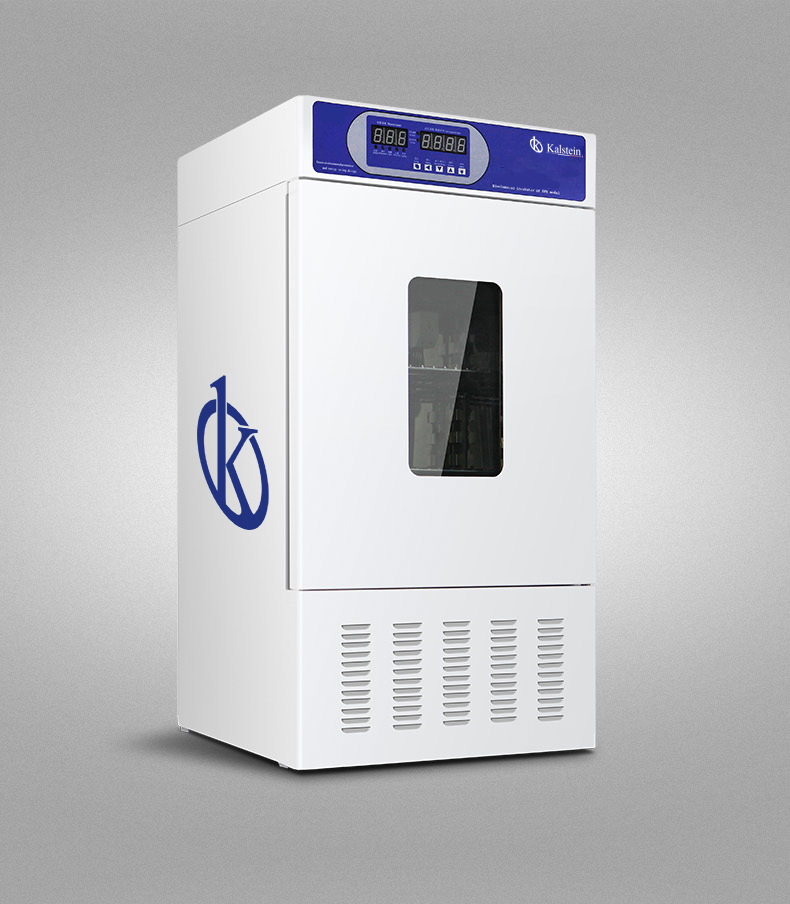
How can you keep the air in a laboratory incubator?
In many laboratories, the incubator is used to maintain air and temperature at levels appropriate for the care of biological or chemical material. These incubators maintain a constant temperature in a specific range and such as oxygen, nitrogen, carbon dioxide, water vapor and other gases found in the air. This is essential for housing living materials in a stable environment.
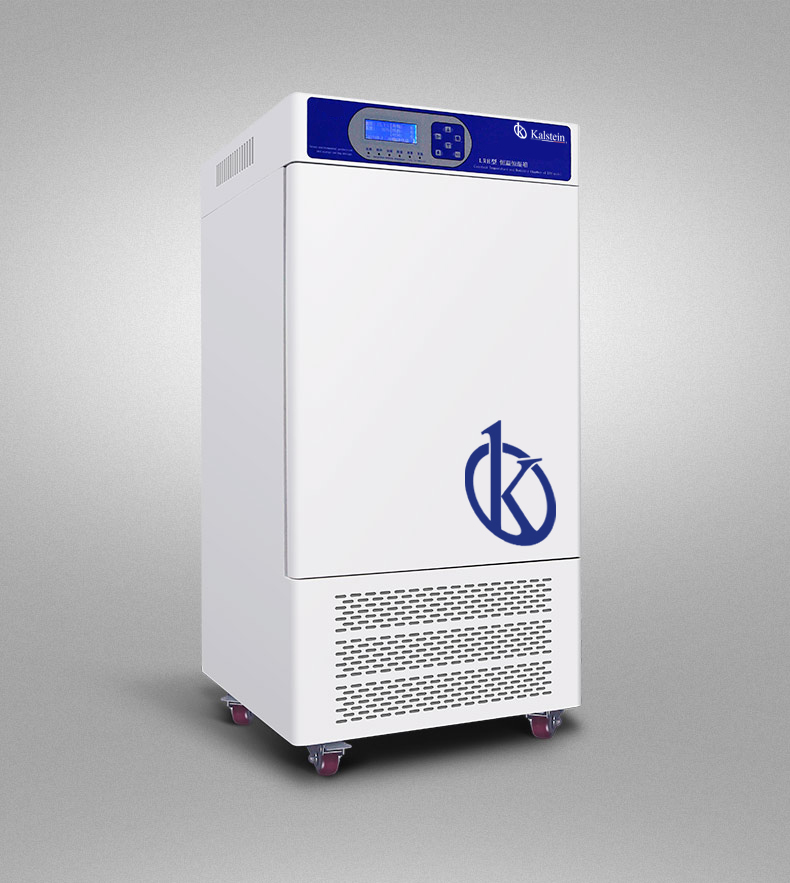
What types of experiments can be performed in a laboratory incubator?
An incubator is a device that creates optimal conditions for biological samples to grow and develop. In a laboratory setting, incubators are used to grow cells, bacteria, or other microorganisms as well as to grow tissue samples and store laboratory equipment and supplies. They come in a variety of sizes and designs, and can be used for a range of different types of experiments.
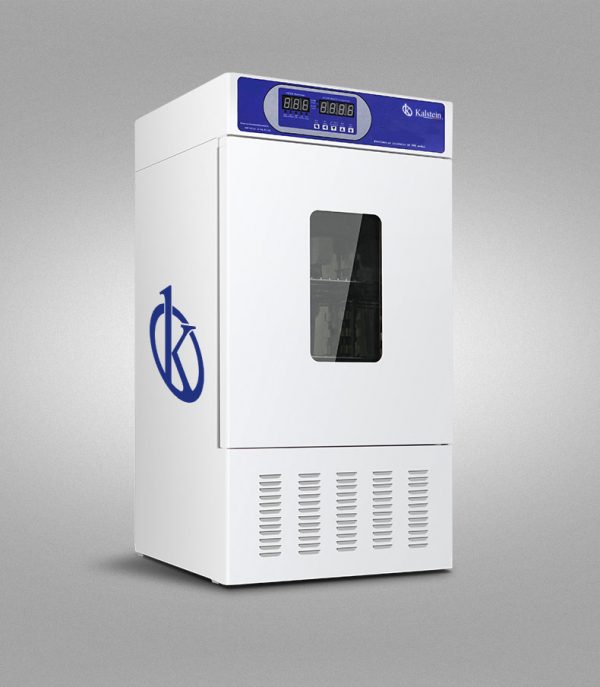
What types of experiments can be performed in a laboratory incubator?
An incubator is a device that creates optimal conditions for biological samples to grow and develop. In a laboratory setting, incubators are used to grow cells, bacteria, or other microorganisms as well as to grow tissue samples and store laboratory equipment and supplies. They come in a variety of sizes and designs, and can be used for a range of different types of experiments.
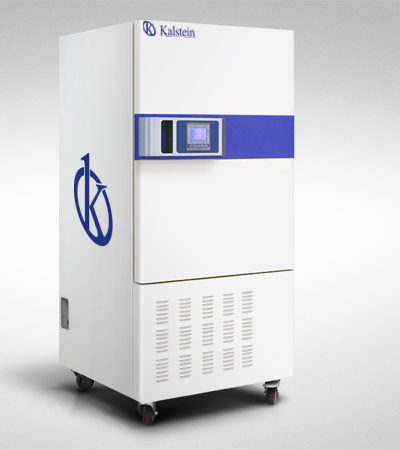
What are incubators used for?
The laboratory incubator is specialized equipment capable of maintaining a space with stable controlled conditions, conditions such as temperature, humidity, oxygen and CO2. They are insulated containers with adjustable heaters.
incubators offer catalog
Guides about incubators
Complete guides to choose incubators
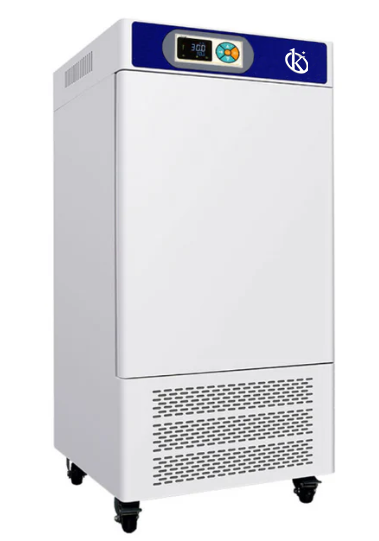
The Ultimate Guide to Constant Temperature and Humidity Incubators from Kalstein
Constant Temperature and Humidity Incubator, Brand Kalstein When it comes to ensuring precision in laboratory experiments, one of the key pieces of equipment is the constant temperature and humidity incubator. The name itself suggests their
Leer más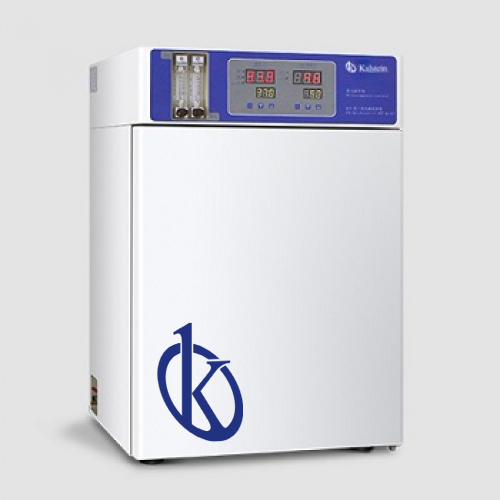
The Ultimate Guide to CO2 Incubators
CO2 Incubator, Kalstein Brand When it comes to state-of-the-art laboratory equipment, the CO2 incubator from the renowned Kalstein brand stands out as a critical asset for modern research labs. These incubators are designed to provide a sta
Leer más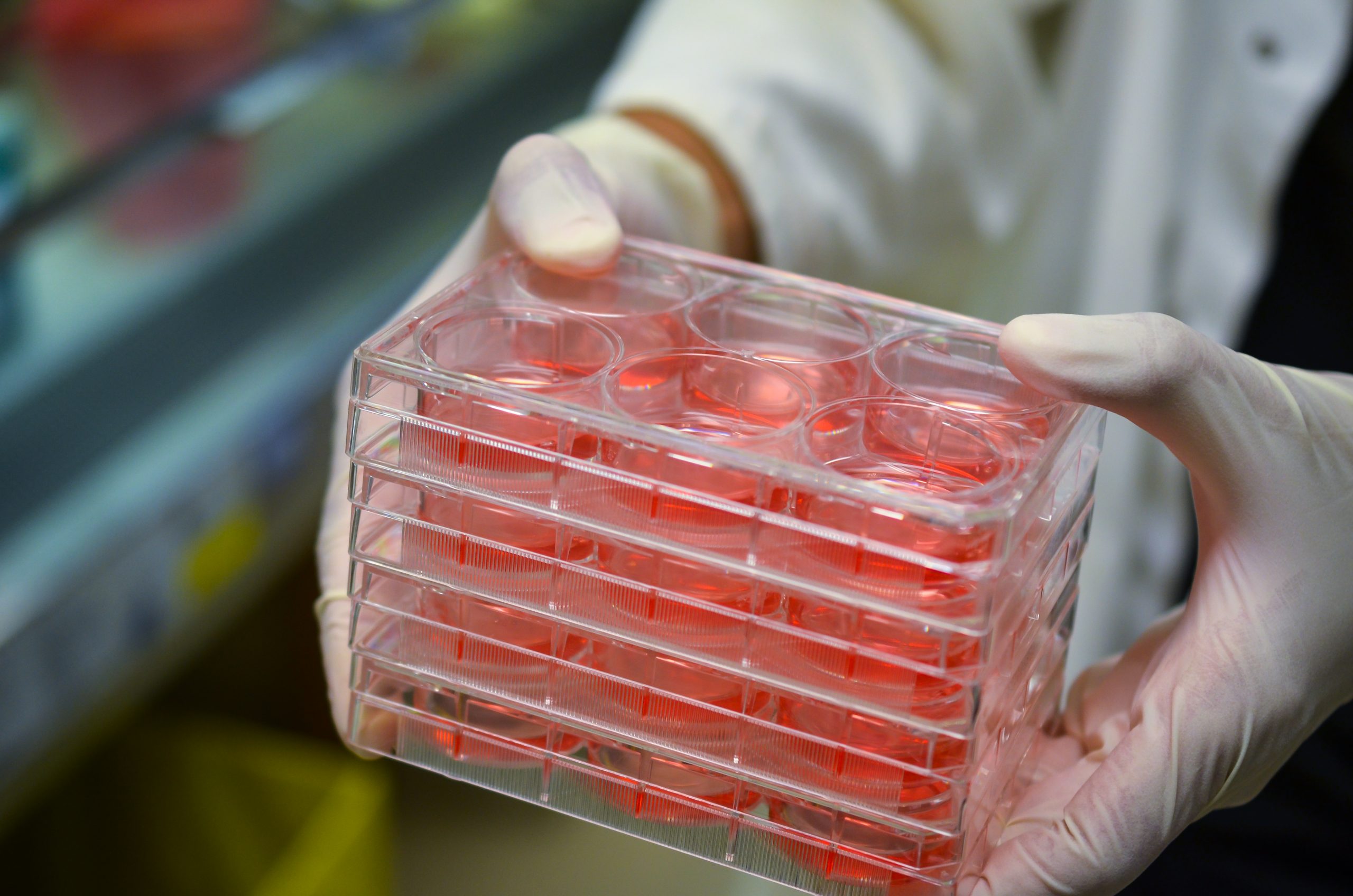
Incubators, their application in cell and microbiological cultures
An incubator is a laboratory equipment that is used to maintain and grow microbiological cultures or cell cultures, regulating viable growth factors such as temperature, humidity and ventilation.
Leer másEverything You Need to Know About Kalstein Incubators: A Comprehensive Guide
Incubators, Kalstein Brand Kalstein has become a distinguished name in the laboratory equipment industry, and their incubators are no exception. Revered for their precision, reliability, and innovative design, Kalstein incubators cater to a
Leer másFrequently asked questions about Incubators
How to know the prices of Incubators?
To know the price of Incubators, please send us an email with your request through the contact form AQUI.
What are the delivery times for Incubators?
Delivery time depends on stock availability and freight type (air or sea). In stock: air 15-30 days, sea 45-60 days. Out of stock: air 30-60 days, sea 60-90 days.
How to make a purchase of Incubators?
You can buy by email ([email protected]), phone (+33 (0) 1 70 39 26 50) or through the official Kalstein website in your country.
How does the warranty work for Incubators?
All Kalstein equipment comes with a 1-year warranty against manufacturing defects. The warranty does not cover damage from improper installation or misuse. See our «terms and conditions» AQUI.
Can I request a quote online for Incubators?
Yes, you can request a quote for the Kalstein equipment you are interested in directly from our official website. Click AQUI.