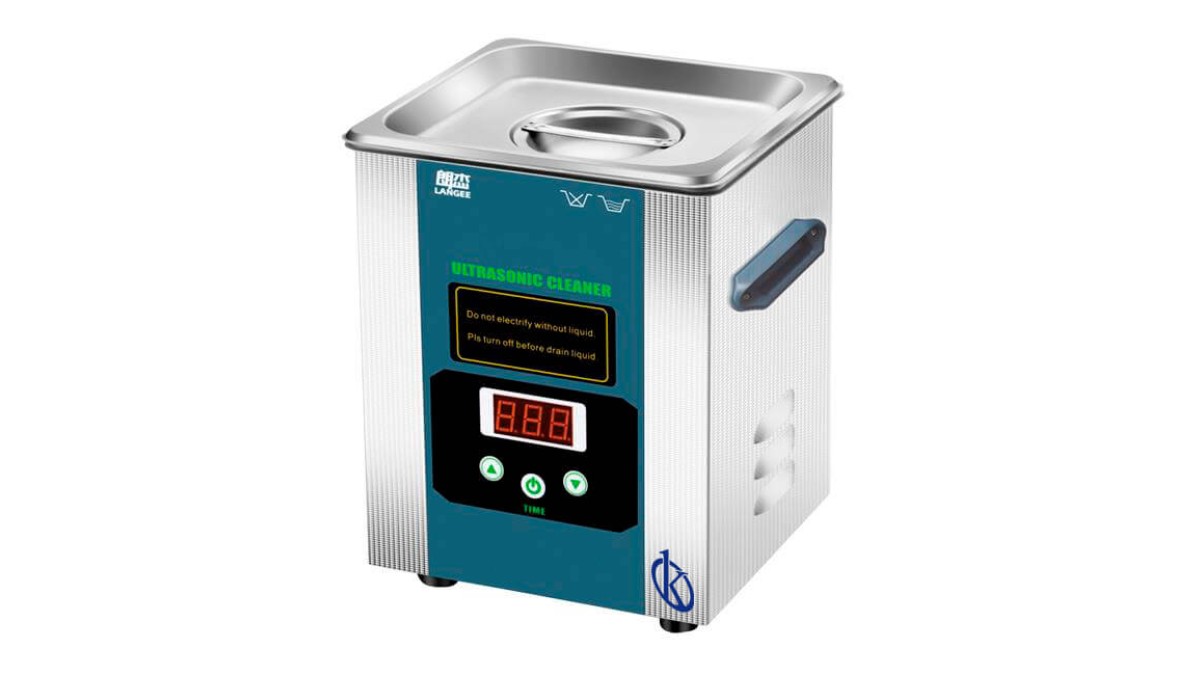
Mechanical Desktop Ultrasonic Cleaners: Applications in Research, Biotechnology, and Academia 2026
What is it used for in 2026
Mechanical desktop ultrasonic cleaners have become essential tools in laboratories across various fields including research, biotechnology, and academia. In 2026, these devices are primarily used for the cleaning of delicate instruments, components, and samples that require thorough cleaning without damage. The ultrasonic cleaning process utilizes high-frequency sound waves to create microscopic cavitation bubbles in a cleaning solution, which effectively removes dirt, contaminants, and other residues from surfaces. This technology is particularly beneficial for cleaning intricate parts, such as laboratory glassware, electronic components, jewelry, and surgical instruments.
History and evolution of the technology
The concept of ultrasonic cleaning dates back to the 1950s when it was first used in industrial applications. Over the decades, the technology has evolved significantly, becoming more compact and efficient. Initially, ultrasonic cleaners were large, cumbersome machines used in industrial settings. However, advancements in technology have led to the development of mechanical desktop ultrasonic cleaners, now widely used in laboratories. These devices have become more user-friendly, offering various frequency settings, heating capabilities, and programmable cycles, catering to the diverse needs of laboratory professionals.
How to use it step by step
- Preparation: Gather the items you wish to clean and ensure they are suitable for ultrasonic cleaning. Remove any large debris manually.
- Fill the tank: Pour the appropriate cleaning solution into the ultrasonic cleaner tank, ensuring it reaches the required level.
- Set parameters: Choose the desired frequency and temperature settings based on the items being cleaned. Higher frequencies are suitable for delicate items.
- Loading: Place the items in the cleaning basket and submerge them in the cleaning solution, ensuring they are fully covered.
- Start the cleaning cycle: Initiate the cleaning process and monitor the time based on the level of contamination.
- Rinse and dry: Once the cycle is complete, remove the items, rinse them if necessary, and allow them to dry completely before use.
Best techniques and protocols
To achieve optimal results with mechanical desktop ultrasonic cleaners, it is essential to follow best practices and protocols:
- Choose the right cleaning solution: Selecting a cleaning agent compatible with the materials being cleaned enhances the effectiveness of the ultrasonic cleaning process.
- Optimize cleaning time: Use the lowest time necessary to achieve desired cleanliness to prevent material degradation.
- Maintain proper temperature: Warmer solutions usually enhance the cleaning process, but ensure the temperature is safe for the items being cleaned.
- Regular maintenance: Regularly check and maintain the ultrasonic cleaner to ensure it operates efficiently.
Practical applications by laboratory type
Research Laboratories
In research settings, ultrasonic cleaners are used to clean laboratory glassware, ensuring no contamination affects experimental results. They are also effective in cleaning delicate electronic components.
Biotechnology Laboratories
Biotechnology labs utilize ultrasonic cleaners to sanitize instruments and equipment that come in contact with biological samples. This helps in maintaining sterile conditions.
Academic Laboratories
Academic institutions employ ultrasonic cleaners as teaching tools for students in chemistry and biology courses, allowing them to learn about effective cleaning techniques and equipment maintenance.
Regulations, standards and certifications
Mechanical desktop ultrasonic cleaners must comply with various laboratory regulations and standards, including safety certifications (e.g., CE, UL) and performance standards. Laboratories must ensure their equipment meets these criteria to maintain operational integrity and safety.
Comparison with alternative technologies
Compared to manual cleaning and steam sterilization, ultrasonic cleaning is more efficient and thorough, particularly for complex geometries. Manual cleaning can leave residues, and steam sterilization may not effectively clean all types of contaminants. Ultrasonic cleaners are versatile and can adapt to different cleaning solutions, making them superior for many applications.
Comparison of available models
| Model | Best for | Key specs | Recommended use case |
|---|---|---|---|
| YR05207 | Jewelry, chains, glasses | 1.3L capacity, 70W power, 40kHz frequency | Cleaning delicate jewelry and eyewear |
| YR05202 | Laboratory and medical equipment | 11L capacity, 360W power, 40/80/120kHz frequency | General lab cleaning tasks |
| YR05203 | Laboratory and medical equipment | 15L capacity, 360W power, 40/80/120kHz frequency | Cleaning larger lab instruments |
| YR05204 | Laboratory and medical equipment | 20L capacity, 360W power, 40/80/120kHz frequency | General lab cleaning tasks |
| YR05205 | Laboratory and medical equipment | 22L capacity, 480W power, 40/80/120kHz frequency | Cleaning larger laboratory items |
| YR05206 | Laboratory and medical equipment | 30L capacity, 600W power, 40/80/120kHz frequency | Cleaning bulk laboratory equipment |
Common mistakes and how to avoid them
Common mistakes include:
- Using incorrect cleaning solutions: Always ensure compatibility with materials being cleaned.
- Overloading the cleaner: Respect the maximum capacity to ensure effective cleaning.
- Ignoring maintenance: Regular maintenance is essential for optimal performance.
Maintenance, calibration and good practices 2026
To maintain your ultrasonic cleaner:
- Regularly inspect the tank and components for wear and tear.
- Calibrate the frequency settings and ensure they match manufacturer specifications.
- Use distilled water to prevent mineral buildup in the tank.
Cost-benefit analysis 2026
Investing in mechanical desktop ultrasonic cleaners can significantly reduce labor costs associated with manual cleaning. The initial investment can be offset by the efficiency gains and improved cleanliness of lab equipment, leading to better experimental results and reduced risk of contamination.
Frequently asked questions
What items should I avoid cleaning in an ultrasonic cleaner?
Avoid cleaning items that are porous, fragile, or sensitive to water, such as certain wood, leather, or delicate fabrics, as they may be damaged.
How do I know the right cleaning solution to use?
Consult the manufacturer's recommendations for your ultrasonic cleaner. In general, use a solution designed for ultrasonic cleaning, tailored to the type of materials being cleaned.
Can ultrasonic cleaners sterilize items?
Ultrasonic cleaners are primarily for cleaning; while they can remove contaminants, they do not guarantee sterilization. Additional sterilization processes may be required.
How often should I clean my ultrasonic cleaner?
Regular maintenance is vital. Clean the tank after every use or as needed based on the level of contamination and cleaning frequency.
What frequency setting should I use for delicate items?
When cleaning delicate items, opt for a higher frequency setting (80-120 kHz) to minimize the risk of damage while still achieving effective cleaning.
Do I need to rinse items after ultrasonic cleaning?
Yes, rinsing items after cleaning is recommended to remove any residual cleaning solution and contaminants that may remain on the surface.
How can I request a quote for an ultrasonic cleaner?
You can easily request a quote through our online platform, ensuring you receive the best pricing for your laboratory needs.
If you are looking for a fusion of innovation and quality, you have come to the right place. At Kalstein, we offer you the luxury of exploring our exclusive catalog of laboratory equipment. We manufacture every device to the highest standards of excellence. Our intuitive and seamless online purchasing channels are designed for your convenience, securing the most competitive prices. Hesitate no longer — we bring science to life, it is time to become part of our community.