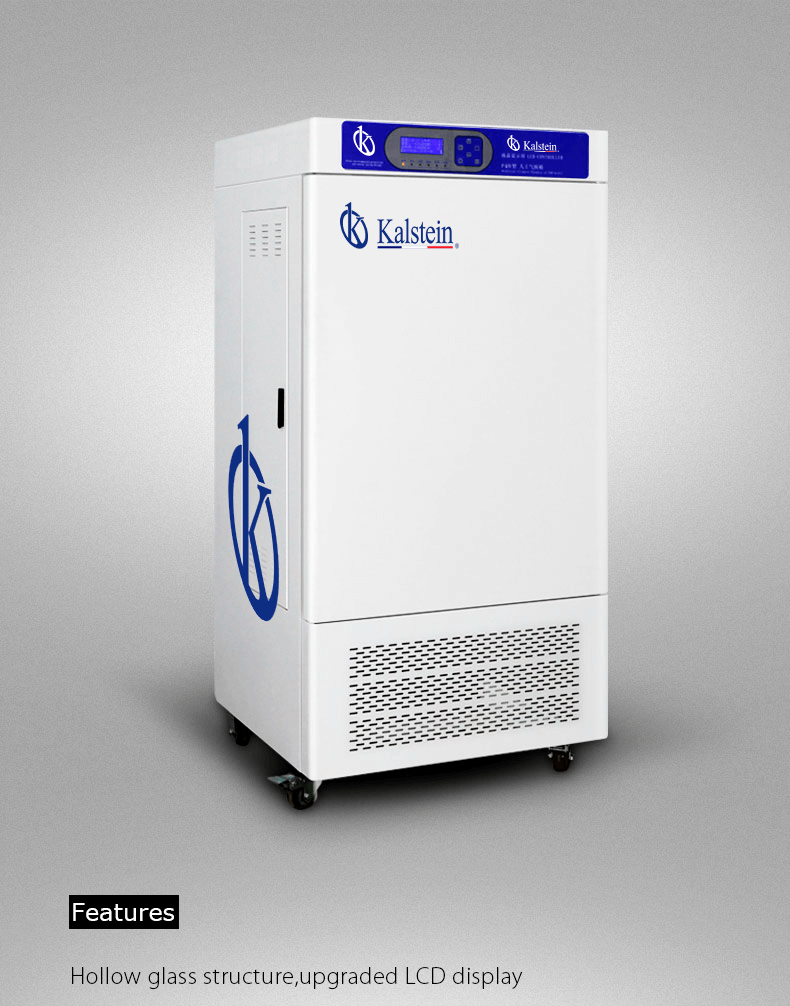
Plant Growth Chamber: Techniques and Protocols for 2026
What is it used for in 2026
In 2026, Plant Growth Chambers are essential in laboratory settings for providing controlled environments for various biological experiments. These chambers simulate ideal conditions for plant growth, allowing researchers to study seed germination, plant development, microbial activity, and even quality control processes for agricultural products. Their applications span across biology, agriculture, forestry, and pharmaceuticals, enabling precise experimentation that leads to significant advancements in these fields.
History and evolution of the technology
The evolution of Plant Growth Chambers can be traced back to the early 20th century when controlled environment technology began to emerge. Initially, these chambers were simple devices that provided basic temperature control. Over the decades, technological advancements introduced features such as adjustable lighting, humidity control, and sophisticated monitoring systems. Today's Plant Growth Chambers, like the YR05331, YR05332, and YR05333 models, incorporate extensive automation and precise controls, ensuring optimal growth conditions for various plant species and experimental requirements.
How to use it step by step
Using a Plant Growth Chamber effectively involves a systematic approach:
- Preparation: Ensure the chamber is clean and free from contaminants.
- Set Environment Parameters: Set desired temperature, humidity, and lighting based on your specific needs.
- Load Samples: Organize and place your samples or plants inside the chamber, ensuring they are adequately spaced for airflow.
- Monitoring: Use the chamber's monitoring system to regularly check environmental conditions.
- Data Collection: Collect data at designated intervals to analyze plant growth or other biological responses.
- Maintenance: Follow routine maintenance procedures to keep the chamber functioning optimally.
Best techniques and protocols
Implementing best practices when using Plant Growth Chambers includes:
- Regular calibration of sensors for accurate readings.
- Utilizing appropriate lighting schedules tailored to the plant species being studied.
- Maintaining consistent temperature and humidity levels to prevent stress on the plants.
- Documenting every change made within the chamber to ensure reproducibility of experiments.
- Training personnel on proper usage and troubleshooting of the equipment.
Practical applications by laboratory type
Different laboratories employ Plant Growth Chambers for various applications:
- Biological Research Labs: Used for studying plant biochemistry and physiology.
- Agricultural Labs: Ideal for seed germination studies and crop yield experiments.
- Pharmaceutical Labs: Employed in the cultivation of plant-based compounds for drug discovery.
- Environmental Research Labs: Analyze the impacts of climate change on plant growth.
Regulations, standards and certifications
Plant Growth Chambers must adhere to various regulations and standards, including ISO certifications, which ensure that they meet industry safety and quality benchmarks. Compliance with environmental protection regulations is also critical, especially regarding the use of refrigerants and energy efficiency. Laboratories should keep updated with local and international regulations that govern the operation of such equipment.
Comparison with alternative technologies
While Plant Growth Chambers are highly effective, alternative technologies exist. For instance, traditional greenhouses offer natural light but lack the precise control found in chambers. Hydroponic systems provide an innovative way to grow plants without soil but require different environmental management. Plant Growth Chambers stand out for their versatility and control, making them suitable for a wide range of experiments.
Comparison of available models
| Model | Best for | Key specs | Recommended use case |
|---|---|---|---|
| YR05331 | Seed germination and microbial studies | Temperature: 10~50℃, Lighting: 0~10000 LX | Ideal for biological experiments requiring moderate lighting and temperature control. |
| YR05332 | Plant growth under varied light conditions | Temperature: 10~50℃, Lighting: 0~15000 LX | Best for experiments needing higher light intensity with temperature management. |
| YR05333 | Advanced agricultural research | Temperature: 10~50℃, Lighting: 0~15000 LX | Suitable for comprehensive studies on plant responses to climate variations. |
Common mistakes and how to avoid them
Common pitfalls when using Plant Growth Chambers include:
- Inadequate Calibration: Always calibrate sensors regularly to ensure accuracy.
- Improper Loading: Avoid overcrowding to prevent airflow issues.
- Neglecting Maintenance: Follow the manufacturer's maintenance schedule to prolong equipment lifespan.
Maintenance, calibration and good practices 2026
To ensure longevity and reliability in 2026, establish a routine that includes:
- Weekly checks on environmental settings and adjustments as needed.
- Monthly calibration of temperature and humidity sensors.
- Regular cleaning of the interior and exterior surfaces to avoid contamination.
Cost-benefit analysis 2026
Investing in a Plant Growth Chamber can be substantial, but the benefits outweigh the costs. The ability to conduct precise experiments leads to better outcomes in research and product development. Additionally, the versatility of these chambers can save money in the long term by reducing the need for multiple pieces of equipment. Laboratories can expect to recover their investment in improved efficiency and enhanced research capabilities.
Frequently asked questions
What should I consider when choosing a Plant Growth Chamber?
Consider factors such as size, temperature range, lighting capabilities, and whether it meets your specific experimental needs and available space.
How often should I calibrate my Plant Growth Chamber?
Calibration should be performed at least monthly to ensure accurate environmental controls, but more frequent checks may be necessary depending on usage.
Can I use different plant species in the same chamber?
While it is possible, be cautious of the specific requirements of each species regarding light and temperature. Consider grouping plants with similar needs to optimize conditions.
How do I maintain optimal humidity levels?
Regularly monitor humidity levels and adjust the chamber settings accordingly. Adding a water source or using a humidifier can help maintain desired humidity.
What are some signs that my Plant Growth Chamber needs maintenance?
Indicators include inaccurate temperature readings, inconsistent humidity levels, and unusual noises or odors coming from the unit.
Is training necessary for new users of Plant Growth Chambers?
Yes, training is essential to ensure users understand the equipment functions, maintenance requirements, and troubleshooting procedures.
If you are looking for a fusion of innovation and quality, you have come to the right place. At Kalstein, we offer you the luxury of exploring our exclusive catalog of laboratory equipment. We manufacture every device to the highest standards of excellence. Our intuitive and seamless online purchasing channels are designed for your convenience, securing the most competitive prices. Hesitate no longer — we bring science to life, it is time to become part of our community.