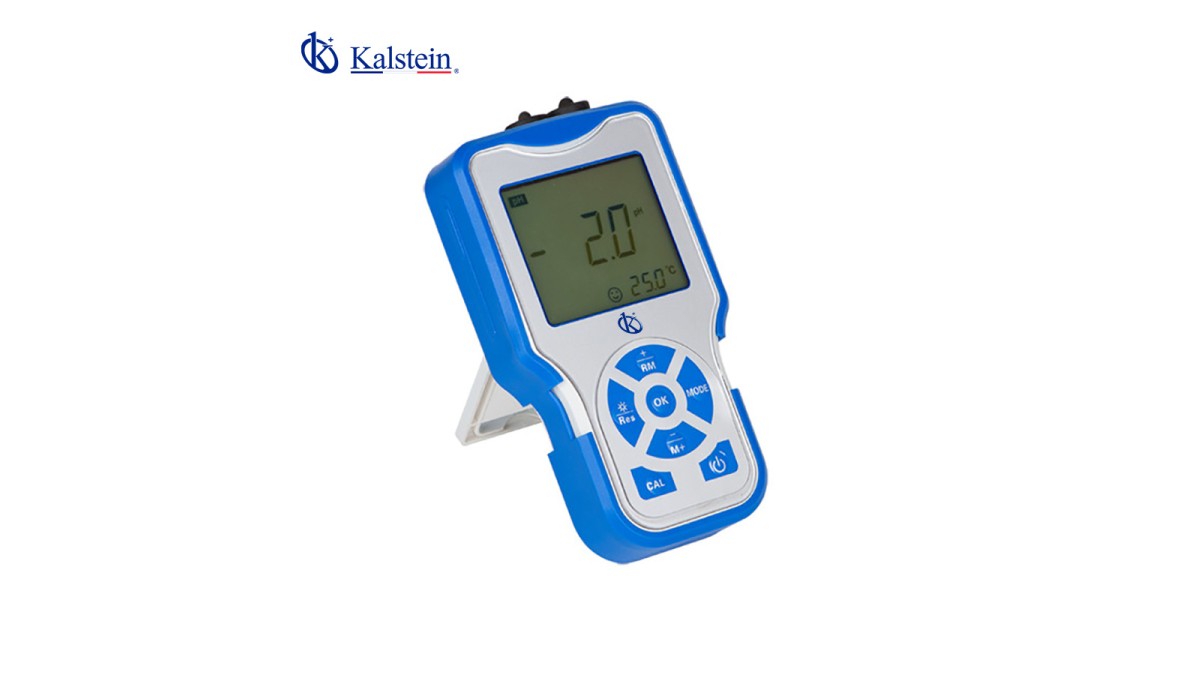
Portable Ion Meters: Practical Applications and Techniques 2026
What is it used for in 2026
Portable ion meters are essential tools in various laboratory environments, enabling precise measurements of ion concentration in solutions. Their versatility makes them ideal for applications ranging from environmental monitoring to chemical analysis in industrial processes. In 2026, these devices are being used to measure pH, ammonium ions, and other specific ions in water samples, agricultural products, and food quality control. The ability to perform field measurements enhances their practicality, making them indispensable for professionals who require accurate data on-the-go.
History and evolution of the technology
The journey of portable ion meters dates back to the development of ion-selective electrodes (ISEs) in the mid-20th century. Initially, these devices were large and cumbersome, primarily used in laboratory settings. Over the decades, advancements in miniaturization and digital technology transformed these meters into portable versions. Today, they feature enhanced functionalities like multi-point calibration, automatic temperature compensation, and user-friendly interfaces. The evolution reflects a growing need for precision in various fields, pushing manufacturers to innovate continually.
How to use it step by step
Using a portable ion meter effectively requires following specific steps to ensure accurate readings:
- Preparation: Gather all necessary equipment, including the ion meter, appropriate ion-specific electrodes, calibration solutions, and sample solutions.
- Calibration: Calibrate the ion meter using standard solutions. Depending on the model, this may involve 2 to 5 points of calibration.
- Electrode Conditioning: Rinse the electrode with distilled water to avoid contamination and soak it in the sample matrix or a conditioning solution.
- Measurement: Immerse the electrode in the sample solution. Wait for a stable reading before recording the results.
- Post-Measurement Care: After measurements, rinse the electrode again and store it properly to maintain its lifespan.
Best techniques and protocols
To achieve optimal results with portable ion meters, consider employing the following best techniques and protocols:
- Regularly calibrate the device according to the manufacturer's guidelines, ensuring the use of fresh and appropriate calibration standards.
- Utilize a proper rinsing technique between different samples to prevent cross-contamination.
- Perform a temperature adjustment if the meter does not automatically compensate for temperature variations.
- Document all measurements meticulously, including calibration data and sample conditions, for traceability and quality control.
- Ensure that the electrodes are routinely maintained, cleaned, and replaced as necessary.
Practical applications by laboratory type
Portable ion meters find applications across various laboratory types:
Environmental Laboratories
Used for monitoring water quality in rivers, lakes, and aquifers, these meters measure parameters like pH and ammonium ions, essential for assessing pollution levels.
Chemical Laboratories
In chemical research and development, portable ion meters help in determining the ion concentration of reactants and products during experiments.
Agricultural Laboratories
Farmers and agricultural researchers utilize these meters for soil testing, ensuring that proper nutrient levels are maintained for optimal crop growth.
Food Safety Laboratories
Portable ion meters play a critical role in food quality control, measuring the ion concentration in food products to ensure safety and compliance with regulations.
Regulations, standards and certifications
In the laboratory setting, portable ion meters must comply with various regulations and standards:
- ISO 17025: General requirements for the competence of testing and calibration laboratories.
- EPA Method 150.1: Water quality standards for the determination of pH.
- Good Laboratory Practice (GLP): Ensures quality and integrity in laboratory data.
Comparison with alternative technologies
While portable ion meters are widely used, other technologies exist for measuring ion concentration:
- Traditional Laboratory Ion Meters: These offer higher accuracy but lack portability, making them less suitable for fieldwork.
- Colorimetric Tests: Often used as a simpler method, these tests can be less precise than ion meters and require more time for analysis.
- Conductivity Meters: While capable of measuring total ion concentration, they do not provide specific ion readings.
Comparison of available models
| Model | Best for | Key specs | Recommended use case |
|---|---|---|---|
| YR01816 | General pH and ion concentration measurement | Precision: 0.5% F.S.; Multi-point calibration; Backlit LCD | Laboratories requiring versatile measurements of pH and ion concentrations |
| YR01817-1 | Ammonium ion measurement | Precision: 0.5% F.S.; 2-5 point calibration; Auto temp compensation | Field testing for soil and water ammonium levels |
| YR01817-10 | Advanced ammonium ion applications | Precision: 0.5% F.S.; 2-5 point calibration; Backlit LCD | Research labs focused on detailed ammonium analysis |
| YR01817-11 | Professional for outdoor applications | Precision: 0.5% F.S.; 2-5 point calibration; Durable design | Outdoor and field investigations in various environmental conditions |
| YR01817-12 | High-end ammonium measurements | Precision: 0.5% F.S.; 2-5 point calibration; Backlit LCD | Laboratories needing accurate and precise ammonium concentration readings |
| YR01817-13 | Professional usage | Precision: 0.5% F.S.; 2-5 point calibration; Robust design | Advanced laboratories and fieldwork in agriculture |
Common mistakes and how to avoid them
Avoiding common pitfalls can enhance the effectiveness of portable ion meters:
- Inadequate Calibration: Always calibrate with fresh standards and at least two points for better accuracy.
- Neglecting Maintenance: Regularly clean and maintain the electrodes to prolong their lifespan and ensure accurate readings.
- Ignoring Temperature Effects: Be mindful of temperature variations and ensure the meter has temperature compensation features.
- Improper Storage: Store electrodes properly to prevent drying out or damage, which can affect functionality.
Maintenance, calibration and good practices 2026
Proper maintenance and calibration are vital for reliable results:
- Clean electrodes after each use and follow the manufacturer's instructions for cleaning solutions.
- Calibrate the ion meters at the beginning of each work session, particularly if being used in different environments.
- Conduct routine checks on the battery life and functionality of the backlit screen for optimal performance.
- Maintain an organized log of calibrations, measurements, and maintenance activities to ensure compliance and quality assurance.
Cost-benefit analysis 2026
When considering the investment in portable ion meters, a cost-benefit analysis reveals their value:
- Initial costs may vary, but the long-term savings from field testing and reduced lab time justify the expense.
- These meters enhance data accuracy and reliability, crucial in regulatory compliance and quality assurance.
- The versatility of these meters allows for different applications, ultimately reducing the need for multiple devices.
Frequently asked questions
What features should I look for when choosing a portable ion meter?
When selecting a portable ion meter, consider features such as calibration range, accuracy, ease of use, and the type of ions it can measure. A backlit display and temperature compensation feature can also enhance usability, especially in varying field conditions.
How often should I calibrate my portable ion meter?
It is recommended to calibrate your portable ion meter before each use, or at least daily if used frequently. Regular calibration ensures accuracy and reliability of the measurements.
Can I use the same electrode for different types of ion measurements?
Using the same electrode for different ion types is generally not recommended as it may lead to contamination and inaccurate readings. It’s best to use specific electrodes designed for each type of ion measurement.
What is the best way to store my portable ion meter?
Store your portable ion meter in a protective case at room temperature, away from direct sunlight. Ensure that the electrodes are kept moist or according to the manufacturer’s recommendations to prevent drying out.
What maintenance is required for portable ion meters?
Maintenance includes regular cleaning of the electrodes, calibration, and checking battery levels. Following the manufacturer’s maintenance guidelines will extend the life of the device.
How do I know when to replace the electrode?
Replace the electrode when you notice significant discrepancies in measurements despite calibration or if it appears damaged. Most manufacturers provide a lifespan estimate for their electrodes.
What is the typical lifespan of a portable ion meter?
The lifespan of a portable ion meter varies based on usage and maintenance but generally ranges from 3 to 5 years. Proper care can extend its functionality significantly.
If you are looking for a fusion of innovation and quality, you have come to the right place. At Kalstein, we offer you the luxury of exploring our exclusive catalog of laboratory equipment. We manufacture every device to the highest standards of excellence. Our intuitive and seamless online purchasing channels are designed for your convenience, securing the most competitive prices. Hesitate no longer — we bring science to life, it is time to become part of our community.