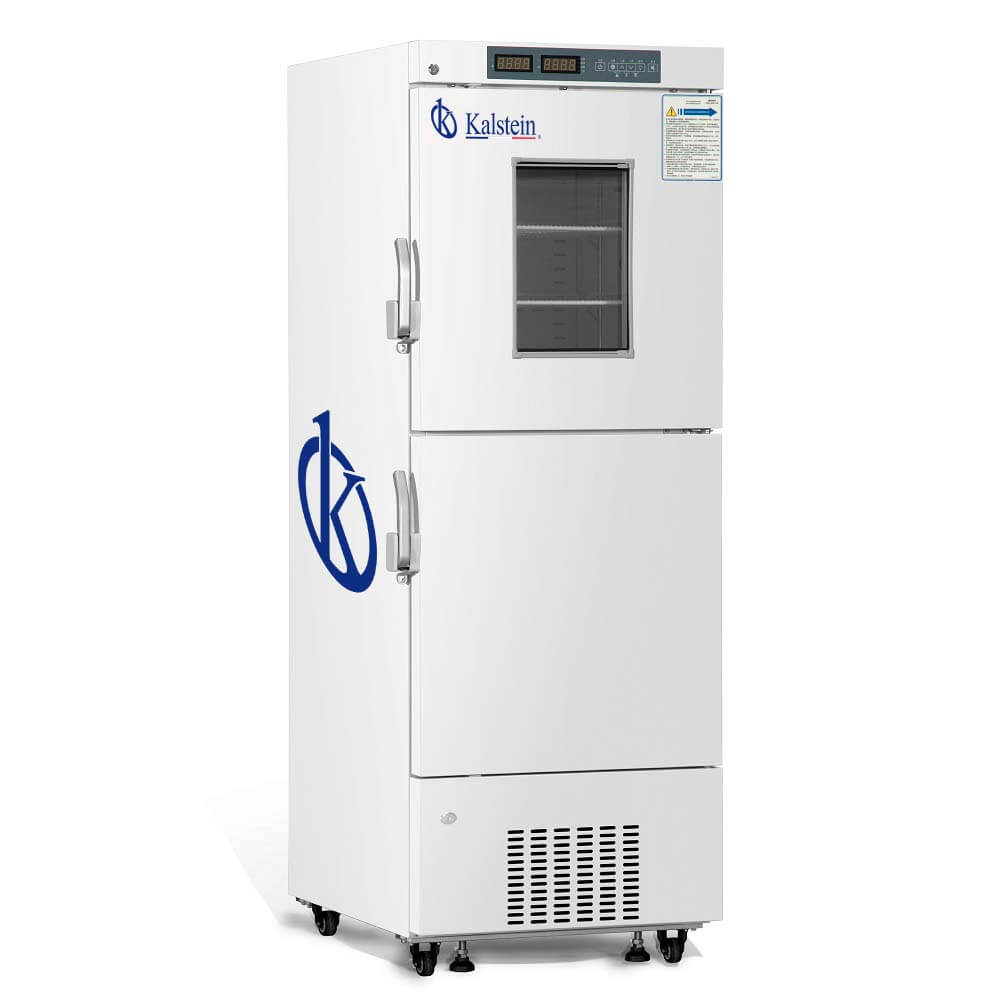
Predictive Maintenance and Recommended Calibration for Combined Freezers in Laboratories 2026
In laboratory environments, ensuring the integrity of biological samples through effective temperature management is paramount. Combined freezers, which serve to store temperature-sensitive materials such as plasma, vaccines, and biological specimens, require a strategic approach to maintenance and calibration. This article delves into the significance of predictive maintenance and periodic calibration, specifically tailored for combined freezers, with a focus on the evolving needs of laboratories in 2026.
Understanding Predictive Maintenance in Laboratory Freezers
Predictive maintenance (PdM) refers to techniques designed to help determine the condition of equipment to predict when maintenance should be performed. This approach minimizes unexpected failures and extends the lifespan of laboratory equipment, such as combined freezers. Utilizing data analytics and monitoring tools, laboratories can schedule maintenance proactively, reducing downtime and ensuring consistent operational efficiency.
Importance of Calibration for Combined Freezers
Calibration is the process of configuring an instrument to provide a result for a sample within an acceptable range. In the context of combined freezers, calibration ensures that the temperature settings are accurate, which is crucial for maintaining sample viability. Regular calibration checks help comply with industry standards and regulations, safeguarding the quality of stored materials.
Recommended Calibration Intervals for Combined Freezers
Calibration intervals for combined freezers can vary based on usage, environmental conditions, and manufacturer recommendations. A general best practice is to conduct a calibration check every six months, with additional checks following significant temperature deviations or system repairs. This routine not only aligns with best practices but also upholds compliance with regulatory benchmarks.
Key Performance Indicators for Maintenance and Calibration
Key Performance Indicators (KPIs) play a crucial role in measuring the effectiveness of predictive maintenance and calibration schedules. Important KPIs include:
- Mean Time Between Failures (MTBF)
- Mean Time To Repair (MTTR)
- Temperature Deviations
- Calibration Accuracy
- Maintenance Costs
By monitoring these metrics, laboratories can assess the effectiveness of their maintenance strategies and make necessary adjustments to improve efficiency.
Comparison of Available Models
| Model | Cooling Method | Temperature Range | Energy Consumption (kWh/24h) | Best For |
|---|---|---|---|---|
| YR05320 | Direct Cooling | F: -20℃ to -40℃, R: 2℃ to 8℃ | 4.15 | Pharmacy storage of plasma and vaccines |
| YR05321 | Direct Cooling | F: -10℃ to -25℃, R: 2℃ to 8℃ | 3.03 | Hospitals and blood stations |
| YR05321-1 | Direct Cooling | Upper: 2℃ to 8℃, Lower: -10℃ to -25℃ | 3.03 | Laboratories requiring dual temperature settings |
Common Mistakes and How to Avoid Them
Many laboratories encounter challenges in maintaining their combined freezers effectively. Common mistakes include:
- Neglecting regular temperature monitoring
- Failing to document calibration results
- Using outdated maintenance protocols
- Underestimating environmental impact on equipment
To avoid these pitfalls, laboratories should implement comprehensive maintenance logs, adhere to manufacturer guidelines, and invest in training for staff responsible for equipment management.
Frequently Asked Questions
How often should I calibrate my combined freezer to comply with 2026 standards?
Calibration of your combined freezer, such as the YR05320, should be performed every six months to ensure compliance with 2026 standards. This interval helps maintain accuracy in temperature settings, essential for safeguarding your biological materials.
What predictive maintenance strategies are most effective for laboratory freezers?
Effective predictive maintenance strategies for laboratory freezers involve regular temperature monitoring, analysis of operational data, and scheduling preventive maintenance for models like YR05321. These strategies minimize downtime and enhance the reliability of equipment.
Which model of combined freezer is best for storing vaccines in 2026?
The YR05320 model is ideal for storing vaccines due to its deep freezing range of -20℃ to -40℃ and its direct cooling method. This model ensures the stability of vaccine potency, critical in clinical and pharmacy settings.
What are the energy consumption rates for combined freezers?
The YR05321 model consumes approximately 3.03 kWh per 24 hours, making it efficient for laboratories concerned about energy costs while ensuring optimal storage conditions.
How can calibration affect the performance of combined freezers?
Calibration impacts the performance of combined freezers by ensuring accurate temperature control. Regular checks, such as those recommended for the YR05321-1, help maintain sample integrity and compliance with safety regulations.
What are the consequences of neglecting predictive maintenance for laboratory freezers?
Neglecting predictive maintenance can lead to equipment failures, increased repair costs, and potential loss of valuable samples. Implementing a routine maintenance schedule for models like YR05320 mitigates these risks significantly.
What documentation is required for calibration of combined freezers?
Documentation for calibration should include calibration reports, temperature logs, and maintenance records. Ensuring these documents are up to date for models like YR05321 is essential for compliance purposes.
How does predictive maintenance contribute to laboratory efficiency?
Predictive maintenance enhances laboratory efficiency by reducing equipment downtime and ensuring optimal performance. By implementing PdM strategies on models such as YR05321-1, laboratories can streamline operations and maintain high standards of sample integrity.
If you are looking for a fusion of innovation and quality, you have come to the right place. At Kalstein, we offer you the luxury of exploring our exclusive catalog of laboratory equipment. We manufacture every device to the highest standards of excellence. Our intuitive and seamless online purchasing channels are designed for your convenience, securing the most competitive prices. Hesitate no longer — we bring science to life, it is time to become part of our community.