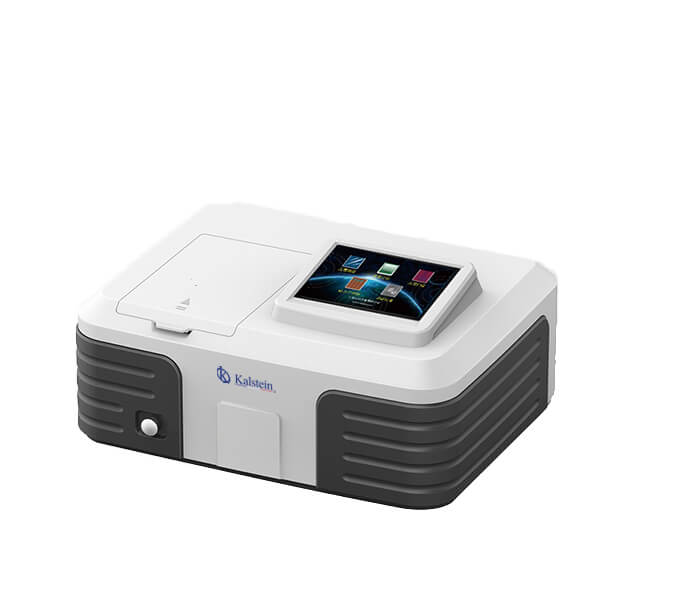
Double Beam Spectrophotometers: Common Mistakes and How to Avoid Them in Daily Operation 2026
Double beam spectrophotometers are vital instruments in various laboratory environments, primarily utilized for measuring the intensity of light absorbed by samples. These devices are indispensable for researchers and analysts in fields such as chemistry, biology, and environmental science. In this article, we will explore the operational uses of double beam spectrophotometers, their historical evolution, step-by-step usage guidelines, best techniques, practical applications by laboratory type, regulations, alternatives, a model comparison table, and tips to avoid common mistakes. Let’s delve into each section in detail.
What is it used for in 2026
In 2026, double beam spectrophotometers are primarily used for quantifying substances through absorbance measurements. Their dual beam design allows for greater accuracy by compensating for fluctuations in light intensity, thus improving reliability in various analyses. Common applications include:
- Photometric analysis of DNA and proteins
- Calibration and validation of chemical assays
- Analysis of pollutants in environmental samples
- Research and quality control in pharmaceuticals
The dual beam configuration is especially advantageous when performing kinetic studies or analyzing complex mixtures where sample stability and consistency are critical.
History and evolution of the technology
The origins of spectrophotometry date back to the early 19th century, with Joseph von Fraunhofer’s work on diffraction grating. However, it wasn't until the mid-20th century that double beam technology emerged, significantly enhancing measurement accuracy. Early models were primarily mechanical, but advancements in electronics and optics have led to modern devices that incorporate advanced data processing capabilities. Today, double beam spectrophotometers feature improved sensitivity, stability, and user-friendly interfaces, making them essential tools in laboratories worldwide.
How to use it step by step
Using a double beam spectrophotometer involves several critical steps:
- Calibration: Begin by calibrating the instrument using a blank sample, typically the solvent without solute.
- Sample Preparation: Prepare your samples according to specific laboratory protocols, ensuring they are within the measurable range of the device.
- Setting Wavelength: Select the appropriate wavelength for the analysis, typically determined by the absorption characteristics of the sample.
- Measurement: Place the sample in the sample compartment and initiate the measurement process. Ensure that both beams are functioning correctly.
- Data Recording: Record the absorbance values and analyze the data according to your experimental design.
- Clean-up: After measurements, clean the sample compartment to prevent contamination.
Best techniques and protocols
To achieve optimal results with double beam spectrophotometers, adhere to the following best practices and protocols:
- Use high-quality cuvettes to minimize light scattering and absorption errors.
- Ensure the instrument is leveled and stable before use to avoid variations caused by vibrations.
- Regularly perform system checks and maintenance to ensure the device is in optimal working condition.
- Document all experimental conditions, including temperature and humidity, as these factors can influence measurements.
- Follow standard operating procedures (SOPs) for sample handling and analysis to ensure consistency across experiments.
Practical applications by laboratory type
Double beam spectrophotometers find applications across various laboratory types, including:
Chemistry Laboratories
Used for quantitative analysis of chemical compounds and reaction kinetics.
Biochemistry Laboratories
Essential for DNA/RNA quantification and protein analysis.
Environmental Laboratories
Utilized for analyzing water and soil samples for contaminants.
Pharmaceutical Laboratories
Critical in drug formulation and quality control processes.
Regulations, standards and certifications
Laboratories utilizing double beam spectrophotometers must comply with various regulations and standards, including:
- ISO 9001: Quality management systems
- ISO/IEC 17025: General requirements for the competence of testing and calibration laboratories
- GLP (Good Laboratory Practice): Ensures the integrity of test results
Compliance with these standards not only enhances laboratory credibility but also assures the reliability of results obtained from spectrophotometric analysis.
Comparison with alternative technologies
While double beam spectrophotometers are highly effective, they can be compared with alternative technologies such as:
- Single Beam Spectrophotometers: Less expensive but susceptible to fluctuations in light intensity, leading to less accurate measurements.
- Fluorometers: More sensitive for certain applications, particularly in detecting low concentration samples.
- Multi-wavelength Spectrophotometers: Allow simultaneous measurement at multiple wavelengths but often at a higher cost.
Choosing the right technology depends on the specific requirements of the analysis, including sensitivity, complexity, and cost.
Comparison of available models
| Model | Best for | Key specs | Recommended use case |
|---|---|---|---|
| YR01858 | General laboratory analyses | 320-1100 nm, ± 0.5 nm accuracy | Routine analysis with multiple functions |
| YR01862 | Advanced photometric analysis | 190-1100 nm, 1.8 nm bandwidth | High precision DNA and protein testing |
| YR01862-1 | Research applications | 190-1100 nm, 1.0 nm bandwidth | Comprehensive spectrometric studies |
| YR01862-2 | Laboratory versatility | 190-1100 nm, 1.0 nm bandwidth | Varied analysis across multiple sectors |
| YR01864 | Environmental testing | 190-1100 nm, 1.0 nm bandwidth | Pollution detection in environmental samples |
| YR01865 | Pharmaceutical testing | 190-1100 nm, 1.0 nm bandwidth | Quality control in drug manufacturing |
Common mistakes and how to avoid them
Users of double beam spectrophotometers often encounter several pitfalls that can compromise results. Here are common mistakes and strategies to avoid them:
- Improper Calibration: Always calibrate the instrument before use with a proper blank. Regularly check calibration against standard samples.
- Neglecting Sample Quality: Ensure samples are well-prepared and homogeneous to avoid variations. Use clean cuvettes to prevent contamination.
- Ignoring Instrument Maintenance: Regularly perform maintenance checks to keep the equipment in optimal condition.
- Inconsistent Measurement Conditions: Maintain stable environmental conditions (temperature, humidity) when performing analyses.
Maintenance, calibration and good practices 2026
For sustained performance of double beam spectrophotometers, users should adhere to robust maintenance and calibration practices:
- Conduct daily checks on the instrument’s functionality and cleanliness.
- Calibrate the device weekly or before critical measurements.
- Replace lamps as needed to maintain light intensity.
- Keep software updated for the best user experience and data handling.
Cost-benefit analysis 2026
When considering the investment in a double beam spectrophotometer, a cost-benefit analysis should include:
- Initial purchase cost versus expected lifespan and maintenance costs.
- Potential for increasing productivity and accuracy in experimental results.
- Return on investment based on improved quality control and compliance with regulations.
Generally, while the upfront cost may be higher than other technologies, the long-term benefits justify the investment.
Frequently asked questions
What should I consider when choosing a double beam spectrophotometer?
Consider the wavelength range, bandwidth specifications, and the types of applications you will be using it for. Determine whether features like data connectivity or specific software compatibility are essential for your needs.
How can I improve the accuracy of my measurements?
To improve accuracy, ensure proper calibration, use high-quality cuvettes, and avoid sample contamination. Maintain stable experimental conditions throughout your analyses.
What types of samples can be analyzed?
Double beam spectrophotometers can analyze a wide range of samples, including liquids, solutions, and suspensions, as long as they fall within the instrument's measurable wavelength range.
How often should I perform maintenance on my spectrophotometer?
Perform daily checks on the instrument's functionality, and conduct comprehensive maintenance and calibration at least once a month or before significant measurements.
Can I use a double beam spectrophotometer for kinetic studies?
Yes, the dual beam design is particularly advantageous for kinetic studies, as it compensates for any fluctuations in light intensity, providing reliable data over time.
What is the typical lifespan of a double beam spectrophotometer?
A well-maintained double beam spectrophotometer can last anywhere from 10 to 20 years, depending on usage and adherence to maintenance schedules.
If you are looking for a fusion of innovation and quality, you have come to the right place. At Kalstein, we offer you the luxury of exploring our exclusive catalog of laboratory equipment. We manufacture every device to the highest standards of excellence. Our intuitive and seamless online purchasing channels are designed for your convenience, securing the most competitive prices. Hesitate no longer — we bring science to life, it is time to become part of our community.