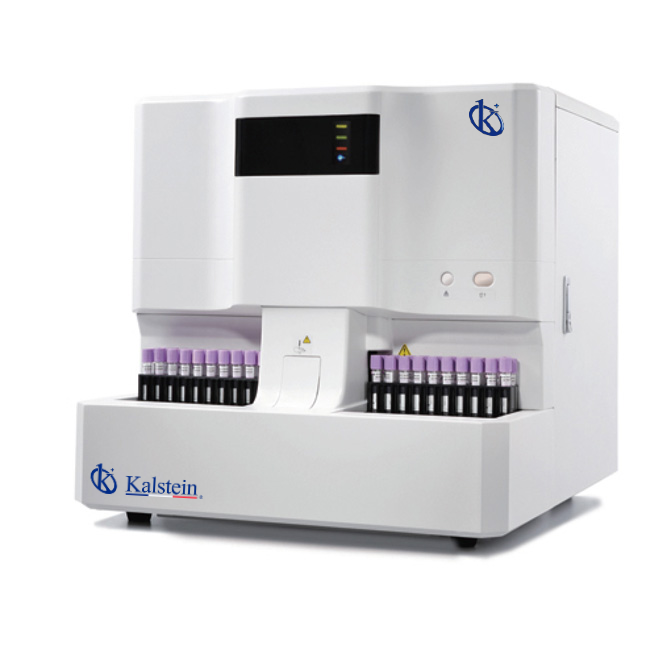
Förståelse för ISO/IEC-standarder och regulatorisk efterlevnad i hematologianalysatorer
I laboratoriediagnostikens värld är efterlevnad av ISO/IEC-standarder avgörande för att säkerställa noggrannheten och tillförlitligheten hos hematologianalysatorer. Dessa standarder vägleder inte bara tillverkare i produktionen utan ger också laboratorierna den ram som krävs för att upprätthålla kvalitetskontroll i sina testprocesser.
Betydelsen av ISO/IEC-standarder inom hematologi
ISO/IEC-standarder, såsom ISO 17025 och ISO 15189, reglerar laboratoriernas kompetens och kvaliteten på deras testprocedurer. För hematologianalysatorer är det avgörande att följa dessa standarder för att säkerställa att de producerar tillförlitliga resultat som kan påverka patientbehandlingsbeslut. Efterlevnad visar ett åtagande för kontinuerlig kvalitetskontroll och ständig förbättring, vilket är väsentligt i den höginsatsmiljö som medicinsk testning innebär.
Nyckel-ISO/IEC-standarder relevanta för hematologianalysatorer
Flera specifika standarder är särskilt relevanta för hematologianalysatorer:
- ISO 17025: Denna standard specificerar kraven för kompetensen hos test- och kalibreringslaboratorier, vilket säkerställer att hematologianalysatorer ger giltiga och tillförlitliga resultat.
- ISO 15189: Inriktad på medicinska laboratorier, betonar denna standard kvalitetsledning och kompetens, vilket direkt påverkar prestanda och validering av hematologitest.
- IEC 61010: Säkerhetsstandarder för elektrisk utrustning, vilket säkerställer att hematologianalysatorer är säkra för både operatörer och patienter.
- IVDR: Denna förordning behandlar in vitro-diagnostiska enheter och lyfter fram kraven för prestandautvärdering och övervakning efter marknadsintroduktion.
Hur hematologianalysatorer uppfyller ISO/IEC-efterlevnad
Moderna hematologianalysatorer är utformade för att inkludera olika funktioner som hjälper till att uppfylla ISO/IEC-standarder. Dessa funktioner inkluderar automatiserad kalibrering, spårbarhet av resultat och omfattande kvalitetskontrollåtgärder. Genom att använda avancerad teknik och programvaruintegrationer, såsom de som finns i den automatiska hematologianalysatorn YR06080, kan laboratorier effektivisera sina efterlevnadsprocesser och öka sin operativa effektivitet.
Jämförelse av tillgängliga modeller
| Modell | ISO/IEC-klausuler täckta | Spårbarhetsfunktioner | Bäst för |
|---|---|---|---|
| YR06080 | ISO 17025, ISO 15189 | Integrerad spårning av provresultat | Laboratorier med hög efterfrågan |
| YR05123 | ISO 17025 | Automatisk kalibreringsfunktion | Rutintestningsanläggningar |
| YR05122-1 | IEC 61010 | Dataregistreringsmöjligheter | Små till medelstora laboratorier |
| YR05122 | ISO 15189 | Kontroll av kvalitet i realtid | Akademiska forskningsmiljöer |
| YR05121 | ISO 17025 | Användarvänligt gränssnitt för datainmatning | Kliniska laboratorier |
| YR05120 | ISO 15189 | Säker databehandling | Diagnostiska centra |
Vanliga misstag och hur man undviker dem
Laboratorier stöter ofta på flera vanliga fallgropar när de implementerar ISO/IEC-standarder med sina hematologianalysatorer:
- Försummande av kalibrering: Regelbunden kalibrering är avgörande. Se till att instrument som YR06080 och YR05123 kalibreras i enlighet med ISO-standarder för att upprätthålla testvaliditet.
- Otillräcklig utbildning: Personal bör vara tillräckligt utbildad om efterlevnadskrav och utrustningsdrift för att undvika felaktig tolkning av resultat.
- Otillräcklig dokumentation: Upprätthåll noggrann dokumentation av alla test- och kalibreringsprocedurer för att stödja efterlevnadsrevisioner.
Vanliga frågor
Vilka ISO-standarder bör en hematologianalysator uppfylla för regulatorisk godkännande?
En hematologianalysator bör uppfylla ISO 17025 och ISO 15189 för regulatorisk godkännande. Till exempel är YR06080 utformad för att uppfylla dessa standarder, vilket säkerställer högkvalitativa tester och kalibrering i laboratorier.
Hur kan laboratoriechefer säkerställa efterlevnad av ISO/IEC-standarder inom hematologi?
Laboratoriechefer kan säkerställa efterlevnad genom att genomföra regelbundna revisioner, upprätthålla noggranna kalibreringsregister och använda överensstämmande modeller som YR05122-1, som stöder spårbarhet och dataregistrering.
Vilka funktioner i hematologianalysatorer hjälper till att uppfylla ISO-standarder?
Funktioner som automatisk kalibrering, integrerad kvalitetskontroll och dataspårbarhet i modeller som YR05123 hjälper laboratorier att effektivt uppfylla ISO-standarder.
Vad är betydelsen av spårbarhet i hematologitestning?
Spårbarhet säkerställer att testresultat kan kopplas tillbaka till referensstandarder, vilket är avgörande för att uppfylla ISO 17025. Modeller som YR06080 erbjuder omfattande spårbarhetsfunktioner.
Hur ofta bör kalibrering utföras på hematologianalysatorer?
Kalibrering bör utföras regelbundet, vanligtvis dagligen eller före användning, för att uppfylla ISO-standarder. YR05121 har en automatiserad kalibreringsfunktion som förenklar denna process.
Vilka är riskerna med bristande efterlevnad av ISO/IEC-standarder?
Bristande efterlevnad kan leda till felaktiga testresultat, juridiska problem och förlust av ackreditering. Att använda efterlevande analysatorer som YR05122 hjälper till att minska dessa risker.
Hur förbättrar ett LIMS efterlevnaden av ISO-standarder i hematologilaboratorier?
Ett LIMS förbättrar efterlevnaden genom att automatisera datainmatning, spårbarhet och rapportering, vilket säkerställer att hematologianalysatorer som YR05120 upprätthåller höga kvalitets- och noggrannhetsstandarder.
Vilken dokumentation är nödvändig för ISO-efterlevnad i hematologilaboratorier?
Dokumentationen bör inkludera kalibreringsregister, kvalitetskontrollprotokoll och spårbarhet för testresultat, vilket är avgörande för efterlevnadsverifiering, särskilt när man använder modeller som YR05122-1.
Om du letar efter en fusion av innovation och kvalitet har du kommit till rätt ställe. På Kalstein erbjuder vi dig lyxen att utforska vår exklusiva katalog av laboratorieutrustning. Vi tillverkar varje enhet enligt de högsta standarderna för excellens. Våra intuitiva och sömlösa onlineköpskanaler är utformade för din bekvämlighet, vilket säkerställer de mest konkurrenskraftiga priserna. Tveka inte längre — vi ger liv åt vetenskapen, det är dags att bli en del av vår gemenskap.