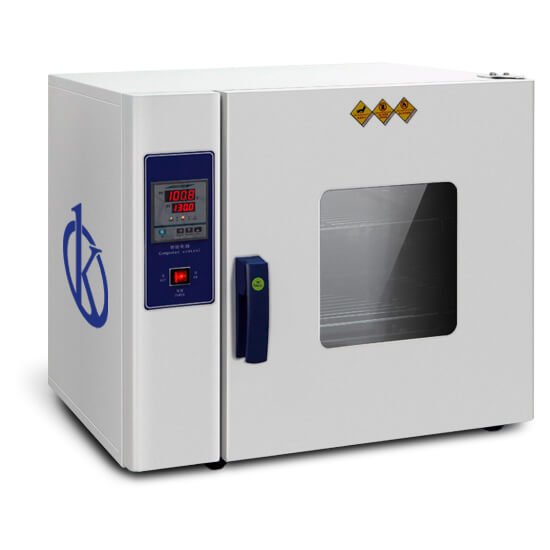
Förstå ROI och kostnads-nyttoanalys för torkugnar i laboratorier
I området laboratorieutrustning spelar torkugnar en avgörande roll i en mängd olika processer, inklusive torkning, sterilisering och värmebehandling. Med ett växande fokus på effektivitet och kostnadseffektivitet är det viktigare än någonsin för laboratorieprofessionella att förstå avkastningen på investeringar (ROI) och genomföra en grundlig kostnads-nyttoanalys. Denna artikel fördjupar sig i hur man bedömer den ekonomiska lönsamheten av att investera i torkugnar, och undersöker flera modeller som finns på marknaden idag.
Översikt över torkugnar genom kostnads-nyttoanalysens lins
Torkugnar är avgörande för laboratorier som utför uppgifter som kräver exakt temperaturkontroll och enhetlig uppvärmning. Investeringen i dessa enheter kan påverka den operativa effektiviteten avsevärt, därför är det viktigt att utvärdera deras kostnadseffektivitet genom en strukturerad metod. Kostnads-nyttoanalys hjälper inte bara till att bestämma direkta kostnader som inköpspris och underhåll utan också indirekta kostnader som energiförbrukning och arbetskraftseffektivitet. Genom att analysera dessa mått kan laboratorier fatta informerade beslut om de bästa torkugnarna som passar deras behov.
Nyckelspecifikationer för olika torkugnar
När man överväger ROI för torkugnar är det viktigt att förstå specifikationerna som påverkar både prestanda och kostnad. Varje modell har sina unika funktioner som tillgodoser olika laboratoriekrav. Nedan följer en analys av flera modeller:
Jämförelse av tillgängliga modeller
| Modell | CAPEX (USD) | Driftskostnad per test (USD) | Återbetalningstid (Månader) | Rekommenderat scenario |
|---|---|---|---|---|
| YR05244 | 295.00 | 0.50 | 6 | Rutintorkningsuppgifter |
| YR05245 | 364.00 | 0.55 | 7 | Laboratorier med högre volym |
| YR05246 | 486.00 | 0.70 | 8 | Forskningsapplikationer med strikta kontroller |
| YR05247 | 598.00 | 0.85 | 10 | Avancerade steriliseringsprocesser |
| YR05248-A | 162.00 | 0.40 | 5 | Kostnadsmedvetna laboratorier |
| YR05249-A | 180.00 | 0.45 | 6 | Allmänt laboratoriebruk |
Kvantitativ uppdelning av ROI
ROI beräknas genom att jämföra vinsten som genereras från investeringen mot dess kostnad. När det gäller torkskåp involverar detta inte bara inköpspriset utan också driftskostnaderna över tid. Till exempel, om ett laboratorium spenderar $2,000 årligen på torkningsprocesser och uppnår betydande tidsbesparingar och ökad produktion från modeller som YR05246, kan ROI vara betydande. För att illustrera ytterligare:
| Modell | Årliga driftskostnader (USD) | Förväntad årlig intäktsökning (USD) | ROI (%) |
|---|---|---|---|
| YR05244 | 300 | 1,200 | 300% |
| YR05246 | 400 | 1,800 | 350% |
Vanliga misstag och hur man undviker dem
Laboratorieprofessionella gör ofta misstaget att enbart fokusera på inköpspriset när de utvärderar torkskåp. Men drifteffektivitet och utrustningens livslängd bör också beaktas. Det är avgörande att se bortom de initiala kostnaderna och bedöma aspekter som energiförbrukning, underhållsfrekvens och hur varje modell passar in i laboratoriets arbetsflöden. Denna omfattande utvärdering kommer att leda till bättre beslutsfattande.
Vanliga frågor
Hur beräknar jag ROI för ett torkskåp i mitt laboratorium?
För att beräkna ROI, bestäm först de totala kostnaderna, inklusive inköpspriset och driftskostnader, såsom energi och underhåll. Till exempel kan modellen YR05244, med ett pris på $295 och årliga driftskostnader på $300, ge en ROI-beräkning som belyser dess ekonomiska fördelar över tid.
Vilka driftskostnader är förknippade med torkskåp som YR05247?
Driftskostnader för torkskåp inkluderar energiförbrukning och underhållsbehov. Till exempel har modellen YR05247 en driftskostnad på cirka $0.85 per test, vilket tar hänsyn till dess energianvändning och underhåll, vilket är viktigt för budgetering i en hektisk laboratoriemiljö.
Vilka torkskåp är bäst för rutinlaboratorieuppgifter?
Modellen YR05248-A är särskilt väl lämpad för rutinuppgifter, prissatt till $162. Den erbjuder pålitlig prestanda med kostnadseffektiv drift, vilket gör den idealisk för laboratorier som vill maximera effektiviteten utan att kompromissa med kvaliteten.
Hur förbättrar modell YR05246 laboratorieeffektiviteten genom sina funktioner?
Modell YR05246 har intelligent PID-kontroll, vilket säkerställer precisa temperaturinställningar och konsekventa resultat, vilket leder till ökad effektivitet i torkningsprocesser. Denna funktion är avgörande i laboratorier som kräver strikt temperaturuniformitet för framgångsrika resultat.
Vad bör jag tänka på när jag väljer en torkugn för mitt laboratorium?
Nyckelfaktorer inkluderar ugnens temperaturintervall, energieffektivitet och underhållskrav. Till exempel kan modeller som YR05245, som erbjuder avancerade kontrollfunktioner, ha en betydande inverkan på den övergripande laboratorieproduktiviteten och driftskostnaderna.
Hur ofta bör jag utföra underhåll på min torkugn?
Rutinkontroller bör utföras kvartalsvis för att säkerställa optimal prestanda. Torkugnar som YR05247 kräver kontroller av temperaturkalibrering och värmeelement för att upprätthålla effektivitet och förlänga deras livslängd.
Vad är den förväntade livslängden för en typisk torkugn?
De flesta torkugnar, inklusive modeller som YR05244, har en förväntad livslängd på cirka 10-15 år med rätt underhåll. Denna långvarighet kan betydligt påverka den totala avkastningen på investeringar för laboratorier som investerar i kvalitetsutrustning.
Hur kan jag optimera energianvändningen i min torkugn?
För att optimera energianvändningen, se till att dörrens tätningar är intakta och undvik att öppna dem ofta under drift. Att välja energieffektiva modeller, såsom YR05248-A, kan också minska de totala energikostnaderna samtidigt som effektiv prestanda bibehålls.
Om du letar efter en fusion av innovation och kvalitet har du kommit till rätt ställe. På Kalstein erbjuder vi dig lyxen att utforska vår exklusiva katalog av laboratorieutrustning. Vi tillverkar varje enhet enligt de högsta standarderna för kvalitet. Våra intuitiva och sömlösa onlineköpskanaler är utformade för din bekvämlighet, vilket säkerställer de mest konkurrenskraftiga priserna. Tveka inte längre — vi ger liv åt vetenskapen, det är dags att bli en del av vårt samhälle.