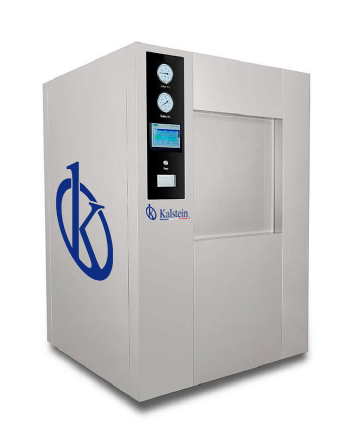
How to Implement Predictive Maintenance and Recommended Calibration for Vertical Autoclaves
In laboratory settings, maintaining the operational efficiency of vertical autoclaves is critical for ensuring the safety and quality of sterilization processes. This article delves into the importance of predictive maintenance and recommended calibration for vertical autoclaves. By focusing on these practices, laboratories can enhance their performance, extend equipment lifespan, and ensure compliance with industry standards.
Understanding Predictive Maintenance in Vertical Autoclaves
Predictive maintenance is a proactive approach that involves monitoring the condition of equipment to predict when maintenance should be performed. In the context of vertical autoclaves, this strategy minimizes unexpected failures, reduces downtime, and optimizes maintenance schedules.
For instance, using performance data collected from models like the YR05653 and YR05655, labs can analyze wear patterns and detect anomalies that indicate the need for maintenance. This data-driven approach not only saves costs but also maintains the reliability of sterilization processes.
The Role of Calibration in Autoclave Performance
Calibration refers to the process of adjusting and verifying the accuracy of equipment. For vertical autoclaves, regular calibration ensures that temperature and pressure settings are precise, crucial for achieving effective sterilization.
Incorporating a systematic calibration schedule for models like the YR05656 and YR05657 can help laboratories comply with standards such as ISO 17025. By ensuring that these autoclaves operate within specified parameters, labs can avoid the risks associated with improper sterilization.
Benefits of Predictive Maintenance and Calibration
- Cost Efficiency: Reduces long-term operational costs by preventing equipment failures.
- Compliance Assurance: Enhances adherence to regulatory standards and quality assurance protocols.
- Operational Reliability: Increases the reliability of sterilization processes, ensuring safety in laboratory environments.
Comparison of Available Models
| Model | Design Pressure | Working Temperature Range | Price (USD) | Best for |
|---|---|---|---|---|
| YR05653 | -0.1/0.3Mpa | 105 ℃ - 139 ℃ | 13030.00 | CSSD, laboratories |
| YR05653-1 | -0.1/0.3Mpa | 105 ℃ - 139 ℃ | 14394.00 | Pharmaceuticals, food industry |
| YR05655 | 0.22Mpa | 100 – 134 ℃ | 724.00 | Research institutions |
| YR05656 | 0.22Mpa | 100 – 134 ℃ | 853.00 | High-temperature resistant items |
| YR05657 | 0.22Mpa | 100 – 134 ℃ | 1210.00 | Laboratory applications |
| YR05658 | 0.22Mpa | 100 – 134 ℃ | 1448.00 | Food safety testing |
Common Mistakes and How to Avoid Them
When implementing predictive maintenance and calibration for vertical autoclaves, laboratories often make several key mistakes, such as:
- Neglecting Routine Checks: Failing to conduct regular performance assessments can lead to unexpected equipment failures.
- Inadequate Documentation: Not maintaining logs of calibration results can create compliance issues.
- Ignoring Manufacturer Guidelines: Not following the manufacturer’s recommendations for maintenance can adversely affect performance.
To avoid these pitfalls, laboratories should develop a comprehensive maintenance checklist and adhere to a clearly defined calibration schedule.
Frequently Asked Questions
How can predictive maintenance improve the performance of vertical autoclaves?
Predictive maintenance enhances the performance of vertical autoclaves like the YR05653 by utilizing data analytics to anticipate failures, thereby reducing downtime and increasing reliability in sterilization processes.
What calibration frequency is recommended for vertical autoclaves?
It is generally recommended to calibrate vertical autoclaves such as the YR05655 every six months to ensure compliance with standards and maintain effective sterilization capabilities.
How do I ensure compliance with ISO 17025 using vertical autoclaves?
To ensure compliance with ISO 17025, laboratories should implement regular calibration and predictive maintenance protocols for models like the YR05656, maintaining accurate records and audit trails.
Which predictive maintenance strategies are best for laboratory autoclaves?
Best predictive maintenance strategies for laboratory autoclaves involve utilizing IoT sensors for real-time monitoring, data analytics for anomaly detection, and routine performance evaluations to preempt failures.
What are the consequences of improper calibration in autoclaves?
Improper calibration in autoclaves like the YR05657 can lead to ineffective sterilization, risking contamination and non-compliance with regulatory standards, potentially endangering patient safety.
How can I extend the lifespan of my vertical autoclave?
Extending the lifespan of your vertical autoclave, such as the YR05658, can be achieved by implementing a rigorous predictive maintenance program that includes regular inspections and timely calibration.
What are the key indicators for predictive maintenance in autoclaves?
Key indicators for predictive maintenance in autoclaves include temperature and pressure anomalies, cycle time deviations, and consistent performance data analysis to forecast maintenance needs.
What types of vertical autoclaves are best for high-temperature applications?
For high-temperature applications, models like the YR05655 and YR05656 are recommended as they are designed to withstand rigorous sterilization processes while ensuring effective performance.
If you are looking for a fusion of innovation and quality, you have come to the right place. At Kalstein, we offer you the luxury of exploring our exclusive catalog of laboratory equipment. We manufacture every device to the highest standards of excellence. Our intuitive and seamless online purchasing channels are designed for your convenience, securing the most competitive prices. Hesitate no longer — we bring science to life, it is time to become part of our community.