How to Integrate Honey Refractometers with LIMS for Enhanced Data Digitization
In the modern laboratory setting, data management and integration with Laboratory Information Management Systems (LIMS) have become essential for improving workflow efficiency and accuracy. Honey refractometers are sophisticated tools used predominantly in the food and beverage industry to measure sugar concentrations in products like honey, syrups, and jams. This article will delve into the significance of integrating honey refractometers with LIMS, addressing how this combination enhances data digitization, streamlines operations, and ensures compliance with industry standards.
Understanding Honey Refractometers and Their Role in Laboratories
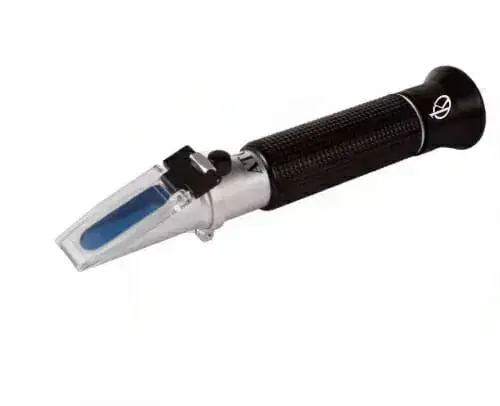
Honey refractometers are precision instruments designed to measure the refractive index of honey and similar sugar-containing liquids, providing accurate readings of sugar concentration. They are essential in assessing product quality, maturity, and consistency, which are crucial in food production and quality control processes. The integration of these refractometers with LIMS allows for seamless data transfer, real-time monitoring, and enhanced traceability of results.
Benefits of LIMS Integration with Honey Refractometers
Integrating honey refractometers with LIMS offers several benefits:
- Data Accuracy: Automated data entry reduces human error, ensuring that critical measurements are recorded accurately.
- Real-time Data Access: Laboratory personnel can access real-time data from honey refractometers, facilitating quicker decision-making.
- Enhanced Reporting: LIMS can generate comprehensive reports that include all measurements and analytical data, simplifying compliance with regulatory standards.
- Streamlined Workflow: The integration minimizes the time spent on manual data entry, allowing laboratory staff to focus on analysis rather than administration.
- Traceability: LIMS provides a clear audit trail for all data entries, which is essential for quality assurance and regulatory compliance.
Comparison of Available Honey Refractometer Models
| Model | Measurement Range | Min. Division | Precision | Best for |
|---|---|---|---|---|
| YR05885 | 58-92% Brix, 38-43 Be’, 12-27% water | 0.50% Brix | ±0.5% Brix | High sugar concentration testing |
| YR05885-1 | 58-92% Brix, 38-43 Be’, 12-27% water | 0.50% Brix | ±0.5% Brix | Quality control in honey production |
| YR05885-2 | 58-92% Brix, 38-43 Be’, 12-27% water | 0.50% Brix | ±0.5% Brix | Fruit maturity evaluation |
| YR05886 | 10-30% water | 0.10% water | ±0.10% water | Low sugar content analysis |
Common Mistakes and How to Avoid Them
When integrating honey refractometers with LIMS, laboratories may encounter several common pitfalls:
- Neglecting Calibration: Regular calibration of refractometers is crucial for maintaining accuracy. Failing to calibrate can lead to erroneous readings.
- Insufficient Training: Staff must be adequately trained on both the refractometer and LIMS to ensure proper usage and data entry.
- Ignoring Data Security: Data breaches can compromise sensitive information. Implement robust security protocols when integrating systems.
- Overlooking Maintenance: Regular maintenance of refractometers is necessary to ensure they operate accurately and reliably.
Key Considerations for Successful LIMS Integration
To ensure a successful integration of honey refractometers with LIMS, consider the following:
- Connectivity: Ensure that your refractometers support the necessary connectivity protocols for integration, such as REST or ASTM.
- Data Management Protocols: Establish clear protocols for data management to streamline workflows and improve accuracy.
- Testing and Validation: Before going live, conduct thorough testing and validation of the integrated systems to identify and rectify any issues.
- Stakeholder Engagement: Involve all stakeholders, including lab staff, IT, and management, in the integration process to ensure alignment and satisfaction with the new system.
Frequently Asked Questions
What are the benefits of integrating honey refractometers with LIMS in laboratories?
Integrating honey refractometers, such as the YR05885, with LIMS streamlines data management, enhances accuracy, and offers real-time access to critical measurements, thus improving operational efficiency in laboratories.
How does the measurement range of honey refractometers influence LIMS integration?
The measurement range of honey refractometers, like the YR05886 (10-30% water), affects the integration with LIMS by dictating the data parameters that need to be recorded and analyzed, ensuring compliance with industry standards.
Which honey refractometer model is best for monitoring sugar concentration during processing?
The YR05885 model is particularly effective for monitoring sugar concentration during processing, as it measures 58-92% Brix, providing vital data for quality control when integrated with LIMS.
How can laboratories ensure accurate data entry from honey refractometers into LIMS?
To ensure accurate data entry from honey refractometers like YR05885-1 into LIMS, regular calibration must be maintained, and staff should be trained on proper usage and data management protocols.
What are the best practices for maintaining honey refractometers in a laboratory environment?
Best practices for maintaining honey refractometers include regular cleaning, calibration according to manufacturer specifications, and routine checks to ensure the instruments are functioning correctly before integration with LIMS.
Which connectivity protocols are essential for integrating honey refractometers with LIMS?
Essential connectivity protocols for integrating honey refractometers with LIMS include ASTM and REST, facilitating seamless data transfer and interoperability between different laboratory systems.
How does the integration of LIMS affect the operational efficiency of laboratories using honey refractometers?
Integrating LIMS with honey refractometers enhances operational efficiency by automating data entry, providing real-time analytics, and ensuring compliance, which allows laboratory staff to focus on critical analysis tasks.
What challenges might laboratories face when integrating honey refractometers with LIMS?
Laboratories may face challenges such as data security issues, insufficient staff training, and the need for regular maintenance and calibration when integrating models like the YR05886 with LIMS.
If you are looking for a fusion of innovation and quality, you have come to the right place. At Kalstein, we offer you the luxury of exploring our exclusive catalog of laboratory equipment. We manufacture every device to the highest standards of excellence. Our intuitive and seamless online purchasing channels are designed for your convenience, securing the most competitive prices. Hesitate no longer — we bring science to life, it is time to become part of our community.