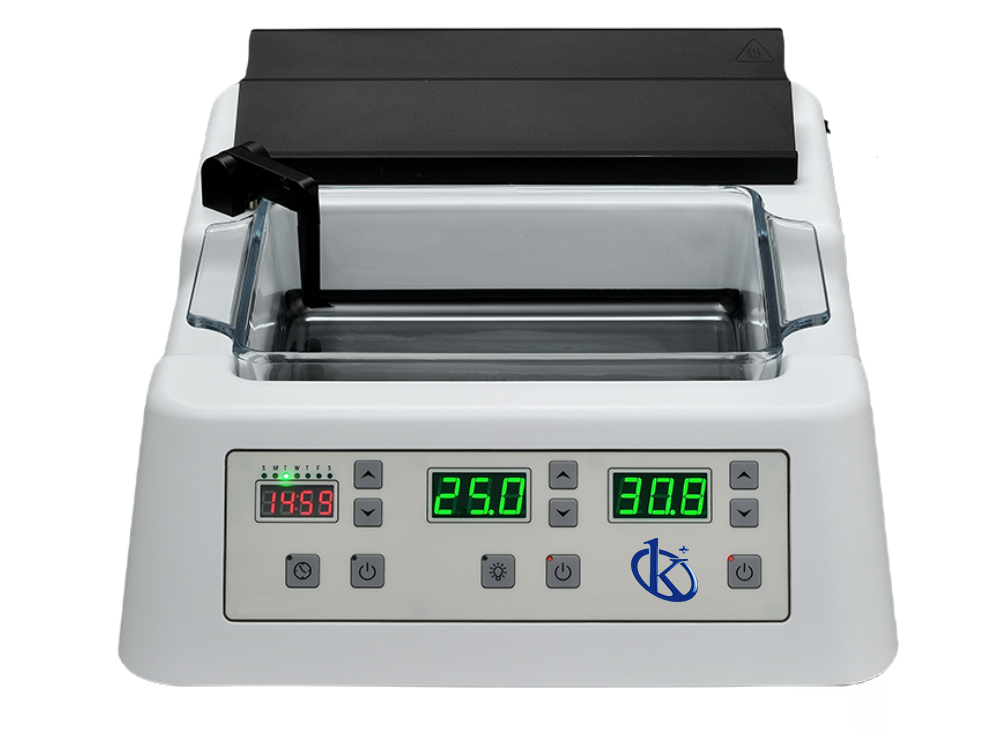
Hur man säkerställer ISO/IEC-efterlevnad i vävnadsflytande laboratorier
Vävnadsflytning är en avgörande process inom patologisk anatomi, som möjliggör noggrann förberedelse och undersökning av vävnadsprover. När laboratorier strävar efter att uppfylla stränga internationella standarder blir förståelsen av ISO/IEC-efterlevnad avgörande. Denna artikel fördjupar sig i de väsentliga aspekterna av ISO/IEC-föreskrifter, diskuterar olika vävnadsflytande modeller och ger insikter om hur man upprätthåller efterlevnad samtidigt som man optimerar laboratorieeffektiviteten.
Förstå ISO/IEC-standarder för laboratorier
Den internationella standardiseringsorganisationen (ISO) och den internationella elektrotekniska kommissionen (IEC) har fastställt en serie standarder som laboratorier måste följa för att säkerställa kvalitet, säkerhet och effektivitet. ISO/IEC 17025 är särskilt betydelsefull för test- och kalibreringslaboratorier, och beskriver de allmänna kraven för kompetens, opartiskhet och konsekvent drift. Efterlevnad av dessa standarder hjälper laboratorier att säkerställa tillförlitligheten i sina resultat och möta förväntningarna från tillsynsmyndigheter.
Nyckel ISO/IEC-standarder som är relevanta för vävnadsflytning
När man utvärderar vävnadsflytande processer kommer flera nyckel ISO/IEC-standarder i spel:
- ISO/IEC 17025: Denna standard specificerar kriterierna för laboratoriekompetens och är avgörande för laboratorier som utför tester, inklusive vävnadsflytning.
- ISO 15189: Fokuserad på medicinska laboratorier, tar denna standard upp kvalitet och kompetens, vilket säkerställer att laboratorier levererar tillförlitliga och giltiga resultat.
- IEC 61010: Denna standard omfattar säkerhetskraven för elektrisk utrustning som används i laboratorier, vilket är avgörande för all utrustning som används i vävnadsflytningsprocessen.
Betydelsen av efterlevnad i vävnadsflytande laboratorier
Efterlevnad av ISO/IEC-standarder är avgörande för att säkerställa korrekta diagnostiska resultat. Det främjar konsekvens i laboratoriepraktiker och ökar trovärdigheten i laboratoriefynd. Dessutom främjar regulatorisk efterlevnad förtroende bland intressenter, inklusive vårdgivare och patienter. Genom att följa dessa standarder minskar laboratorier riskerna förknippade med felaktiga tester och kan undvika potentiella rättsliga konsekvenser.
Jämförelse av tillgängliga modeller
| Modell | ISO/IEC-klausuler som täcks | Spårbarhetsfunktioner | Bäst för |
|---|---|---|---|
| YR457-1 | ISO 17025 | Automatisk minne och återställning | Allmän vävnadsflytning |
| YR456 | ISO 15189 | Visning av temperaturer i realtid | Medicinska laboratorier |
| YR457 | IEC 61010 | Precision i temperaturkontroll | Höggenomströmmande laboratorier |
Vanliga misstag och hur man undviker dem
Laboratorier gör ofta kritiska fel som kan äventyra efterlevnaden av ISO/IEC-standarder. Några vanliga misstag inkluderar att försummas regelbunden kalibrering av utrustning, att inte upprätthålla adekvat dokumentation och att inte genomföra periodiska revisioner. För att undvika dessa fallgropar bör laboratorier etablera ett omfattande kvalitetsledningssystem som inkluderar regelbunden utbildning för personalen, rutinmässiga kontroller av utrustning och en definierad underhållsplan. Dessutom främjar noggranna register över alla processer och resultat transparens och ansvarighet.
Integrering av teknik för efterlevnad
Moderna laboratorier kan utnyttja teknik för att förbättra efterlevnaden av ISO/IEC-standarder. Implementering av ett Laboratorieinformationshanteringssystem (LIMS) strömlinjeformar processer, förbättrar dataintegritet och underlättar enklare spårning av prover och resultat. Till exempel kan vävnadsflytande utrustning, som YR457-1-modellen, integreras i ett LIMS, vilket säkerställer att alla steg i flytprocessen dokumenteras, från provberedning till resultatrapportering.
Dokumentationskrav för efterlevnad
Dokumentation av alla laboratorieaktiviteter är en kritisk aspekt av att upprätthålla ISO/IEC-efterlevnad. Laboratorier måste hålla register över standardarbetsprocedurer (SOP), kalibreringsloggar, utbildningsregister och revisionsfynd. Dessa dokument fungerar som bevis på efterlevnad under inspektioner och revisioner. Dessutom gör tillgången till all dokumentation det möjligt för laboratorier att snabbt svara på förfrågningar från tillsynsmyndigheter.
Revisionschecklistor för efterlevnad
Regelbundna interna revisioner är avgörande för att säkerställa kontinuerlig efterlevnad av ISO/IEC-standarder. Att utveckla en revisionschecklista anpassad till vävnadsflytande processer kan hjälpa till att identifiera områden för förbättring. Nyckelobjekt att inkludera i checklistan är:
- Verifiering av utrustningens kalibrering
- Granskning av dokumentationens fullständighet
- Bedömning av utbildningsregister
- Inspektion av säkerhetsprotokoll
Bästa praxis för att upprätthålla efterlevnad
Att upprätthålla efterlevnad av ISO/IEC-standarder kräver en proaktiv strategi. Laboratorier bör etablera en kvalitetskultur där alla medarbetare är engagerade i efterlevnadsinsatser. Regelbundna utbildningssessioner och workshops kan hålla teamet informerat om de senaste standarderna och bästa praxis. Dessutom hjälper rutinmässiga revisioner och bedömningar att identifiera potentiella efterlevnadsproblem innan de blir betydande problem.
Vanliga frågor
Hur påverkar ISO 17025 vävnadsflytande laboratorieoperationer?
ISO 17025 påverkar vävnadsflytlab betydligt genom att ställa krav på kompetens och konsekvens i testning. Att följa denna standard säkerställer att modeller som YR457-1 upprätthåller noggrannheten och tillförlitligheten i resultaten, vilket i slutändan leder till förbättrade patientresultat.
Vilken dokumentation krävs för ISO-efterlevnad i ett vävnadsflytlab?
ISO-efterlevnad i ett vävnadsflytlab kräver noggrann dokumentation, inklusive SOP:er, kalibreringsregister och utbildningsloggar. Till exempel bör YR456-modellens driftsparametrar dokumenteras för att säkerställa efterlevnad av ISO-standarder.
Vilka ISO/IEC-standarder är mest relevanta för laboratorieutrustning som vävnadsflytande enheter?
ISO/IEC 17025 och ISO 15189 är särskilt relevanta för laboratorieutrustning, vilket säkerställer att enheter som YR457 uppfyller de nödvändiga kvalitets- och kompetensstandarder som krävs för noggrann testning.
Hur kan teknik stödja ISO-efterlevnad i vävnadsflytlab?
Teknik, såsom ett LIMS, stödjer ISO-efterlevnad i vävnadsflytlab genom att tillhandahålla sömlös spårning av processer och resultat, säkerställa att modeller som YR457 följer etablerade protokoll och upprätthåller noggranna register.
Vilka är de största utmaningarna för att uppnå ISO-efterlevnad för vävnadsflytande laboratorier?
De största utmaningarna inkluderar att upprätthålla aktuell dokumentation, säkerställa regelbunden kalibrering av utrustning och effektivt utbilda personal. Att använda modeller som YR456 med robusta funktioner kan hjälpa till att mildra dessa problem.
Hur ofta bör utrustning kalibreras för att förbli i överensstämmelse med ISO-standarder?
Utrustning bör kalibreras regelbundet, vanligtvis enligt tillverkarens rekommendationer eller minst årligen, för att säkerställa efterlevnad av ISO-standarder. Till exempel kräver YR457-modellen noggrann kalibrering för tillförlitliga resultat.
Vilka steg kan laboratorier ta för att förbereda sig för en ISO-revision?
Förberedelse för en ISO-revision innebär att granska dokumentation, genomföra interna revisioner och säkerställa att all utrustning är kalibrerad och underhållen. Att använda modeller som YR457-1 kan hjälpa till att effektivisera efterlevnadsprocesser och bevisa beredskap.
Hur stödjer spårbarhetsfunktioner i vävnadsflytmodeller regulatorisk efterlevnad?
Spårbarhetsfunktioner i vävnadsflytmodeller, såsom automatiska minnesfunktioner i YR457-1, är avgörande för att spåra temperaturkontroller och säkerställa efterlevnad av ISO/IEC-standarder, vilket därmed förbättrar tillförlitligheten av testresultat.
Om du letar efter en fusion av innovation och kvalitet har du kommit till rätt ställe. På Kalstein erbjuder vi dig lyxen att utforska vår exklusiva katalog av laboratorieutrustning. Vi tillverkar varje enhet enligt de högsta standarderna för excellens. Våra intuitiva och sömlösa onlineköpskanaler är utformade för din bekvämlighet, vilket säkerställer de mest konkurrenskraftiga priserna. Tveka inte längre — vi för vetenskapen till liv, det är dags att bli en del av vårt samhälle.