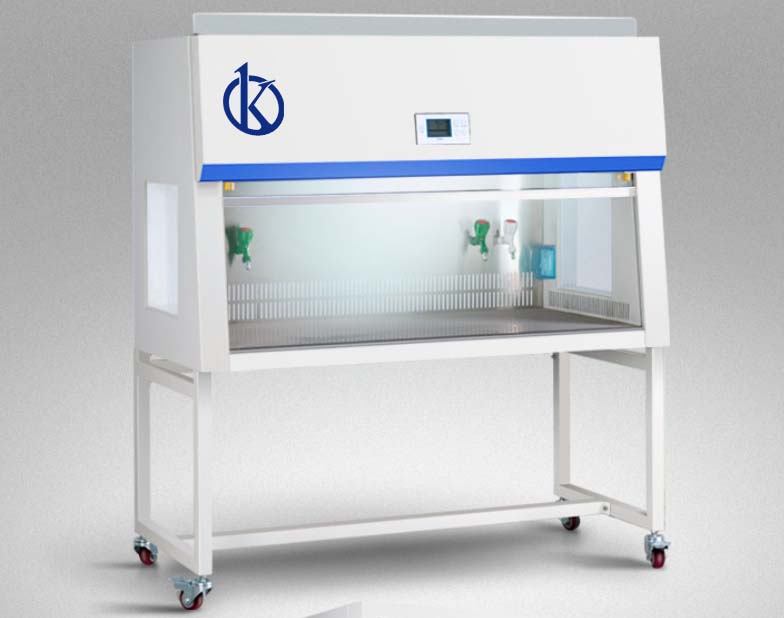
Jämförande analys av vertikala laminarflödes rena bänkar mot alternativa teknologier
I den moderna laboratoriemiljön är det avgörande att upprätthålla en steril och ren arbetsyta för framgången av experiment och säkerheten för prover. Vertikala laminarflödes rena bänkar spelar en avgörande roll för att uppnå dessa standarder genom att tillhandahålla ett konstant flöde av steril luft över arbetsytan. Denna artikel fördjupar sig i en jämförande analys av olika modeller av vertikala laminarflödes rena bänkar, med fokus på deras specifikationer, fördelar och hur de jämförs med alternativa teknologier som finns på marknaden.
Förståelse av vertikala laminarflödes rena bänkar
Vertikala laminarflödes rena bänkar är utformade för att skapa en kontrollerad miljö som minimerar risken för kontaminering. De använder ett hög-effektivt partikelfilter (HEPA) för att ta bort luftburna föroreningar, vilket säkerställer att luften som kommer in i arbetsytan är fri från partiklar större än 0,3 mikron. Dessa bänkar är särskilt viktiga inom områden som läkemedel, bioteknik och medicinsk forskning, där precision och renlighet är avgörande.
Jämförelse av tillgängliga modeller
| Modell | Renhetsnivå | Luftflödeshastighet (m/s) | Bullernivå (dB) | Bäst för |
|---|---|---|---|---|
| YR05267-1 | Klass 5 (ISO 14644.1) | 0.3-0.6 | ≤62 | Bioteknologiskt skydd |
| YR05734 | Klass 100 | 0.25-0.45 | ≤62 | Vetenskapliga experiment |
| YR05735 | Klass 100 | 0.25-0.45 | ≤62 | Biologisk teknik |
| YR05736 | Klass 100 | 0.25-0.45 | ≤62 | Medicinska tillämpningar |
| YR05737 | Klass 100 | 0.25-0.45 | ≤62 | Laboratorieforskning |
| YR05738 | Klass 100 | 0.25-0.45 | ≤62 | Testning av livsmedel och drycker |
Jämförande fördelar med vertikala laminarflödes rena bänkar
Den unika designen av vertikala laminarflödes rena bänkar erbjuder flera fördelar jämfört med alternativa renrumsteknologier. De tillhandahåller ett lokaliserat område med ren luft och minskar risken för kontaminering från omgivande miljöer. Detta lokaliserade luftflöde är särskilt fördelaktigt för känsliga operationer där korskontaminering kan påverka resultaten negativt.
I laboratorier som sysslar med biologisk forskning, såsom de som använder YR05267-1-modellen, säkerställer renhetsstandard klass 5 att alla experiment som involverar biologiska prover utförs i en ren miljö. Alternativt passar modeller som YR05734 mindre tillämpningar, såsom bänkforskning inom biologisk teknik, på grund av deras kompakta storlek och effektivitet.
Vanliga Misstag och Hur Man Undviker Dem
När man väljer en vertikal laminarflödesren bänk gör många laboratorier vanliga misstag som kan leda till ineffektivitet och ytterligare kostnader. Ett vanligt misstag är att underskatta luftflödeshastigheten som krävs för specifika tillämpningar. Varje modell har olika luftflödes specifikationer, såsom de justerbara hastigheterna för YR05267-1 (0.3-0.6 m/s), vilket kanske inte är lämpligt för alla uppgifter.
Dessutom kan det leda till kontaminering om man inte tar hänsyn till den renhetsklass som behövs för vissa experiment. Det är viktigt att bedöma specifika laboratoriebehov och matcha dem med lämpliga modell specifikationer. Granska alltid de operativa kraven innan du gör ett köp.
Vertikala Laminarflödesrena Bänkar vs. Alternativa Tekniker
Till skillnad från andra teknologier som horisontella laminarflödeskåpor eller biosäkerhetskåpor, fokuserar vertikala laminarflödesrena bänkar enbart på att tillhandahålla en ren arbetsyta utan inneslutningsfunktioner. Till exempel, jämfört med en horisontell laminarflödeskåpa som YR05734, minimerar den vertikala designen risken för partikelfallskontaminering, vilket gör den att föredra för känsliga tillämpningar.
Vidare, medan biosäkerhetskåpor erbjuder skydd för både arbetaren och provet, kanske de inte är nödvändiga för alla tillämpningar där endast produkt skydd önskas, vilket ytterligare betonar vikten av att förstå de specifika behoven för laboratorieuppgifter.
Energiförbrukning och Effektivitetsöverväganden
Energiförbrukning är en betydande faktor när man utvärderar laboratorieutrustning. När man jämför vertikala laminarflödesrena bänkar är det viktigt att överväga deras energiförbrukning i förhållande till prestanda. Till exempel, YR05736-modellen fungerar vid en effektiv 100W, vilket gör den lämplig för långvarig användning utan överdrivna driftskostnader.
| Modell | Energiförbrukning (W) | Effektivitetsbetyg |
|---|---|---|
| YR05267-1 | 400 | Mycket effektiv |
| YR05734 | 240 | Moderat effektiv |
| YR05736 | 100 | Mycket effektiv |
| YR05737 | 500 | Effektiv |
| YR05738 | 400 | Mycket effektiv |
Att välja en modell med lägre effektbehov kan leda till betydande besparingar över tid, särskilt i anläggningar som kör flera enheter kontinuerligt. Tänk alltid på effektbetyg när du genomför en kostnads-nyttoanalys.
Vanliga Frågor
Vad är renhetsstandarden för vertikala laminarflödes rena bänkar?
Renhetsstandarden för vertikala laminarflödes rena bänkar varierar beroende på modell. Till exempel uppfyller YR05267-1 klass 5-standard enligt ISO 14644.1, vilket gör den lämplig för högprecisionsapplikationer inom bioteknik och läkemedel.
Hur påverkar luftflödeshastigheten prestandan hos rena bänkar?
Luftflödeshastigheten påverkar avsevärt effektiviteten hos rena bänkar. Modeller som YR05267-1 tillåter justerbara hastigheter mellan 0.3-0.6 m/s, vilket kan anpassas till specifika uppgifter och säkerställer optimal kontaminationskontroll under känsliga experiment.
Vilka applikationer är bäst lämpade för YR05734-modellen?
YR05734 är idealisk för vetenskapliga experiment som kräver en steril miljö. Med en renhetsnivå av klass 100 ger den effektivt skydd inom biologisk teknik och säkerställer högkvalitativa resultat i känsliga operationer.
Vilken modell erbjuder den bästa energieffektiviteten för kontinuerlig drift?
YR05736-modellen utmärker sig för sin låga energiförbrukning på endast 100W samtidigt som den upprätthåller effektiv prestanda. Detta gör den till ett utmärkt val för laboratorier som strävar efter att minska driftskostnader utan att kompromissa med kvaliteten.
Hur jämförs vertikala laminarflödes rena bänkar med biosäkerhetsskåp?
Vertikala laminarflödes rena bänkar fokuserar på produktens skydd genom att tillhandahålla ett rent luftflöde, medan biosäkerhetsskåp skyddar både operatören och provet. Valet beror på de specifika laboratoriebehov och den nivå av kontaminationsrisk som är involverad.
Vilka faktorer bör jag överväga när jag väljer en ren bänk för mitt laboratorium?
Nyckelfaktorer inkluderar den renhetsklass som krävs för dina applikationer, energiförbrukning, alternativ för luftflödeshastighet och de specifika användningsfallen för varje modell. Till exempel är YR05736 lämplig för applikationer som behöver klass 100-renhet med låg energiförbrukning.
Om du letar efter en fusion av innovation och kvalitet har du kommit till rätt ställe. På Kalstein erbjuder vi dig lyxen att utforska vår exklusiva katalog av laboratorieutrustning. Vi tillverkar varje enhet enligt de högsta standarderna för excellens. Våra intuitiva och sömlösa onlineköpskanaler är utformade för din bekvämlighet, vilket säkerställer de mest konkurrenskraftiga priserna. Tveka inte längre — vi ger liv åt vetenskapen, det är dags att bli en del av vårt samhälle.