Hur man uppnår effektiv LIMS-integration med bordskonduktivitetskontroller?
I moderna laboratorier är integrationen av olika mätinstrument med Laboratory Information Management Systems (LIMS) avgörande för att öka produktiviteten, noggrannheten och datastyrningen. Bordskonduktivitetskontroller spelar en avgörande roll i denna integration, eftersom de tillhandahåller nödvändiga konduktivitetsmätningar som är viktiga för många laboratorieapplikationer. Denna artikel utforskar hur man effektivt integrerar dessa instrument med LIMS, vilket säkerställer sömlös dataflöde och förbättrad operativ effektivitet.
Förstå rollen av bordskonduktivitetskontroller
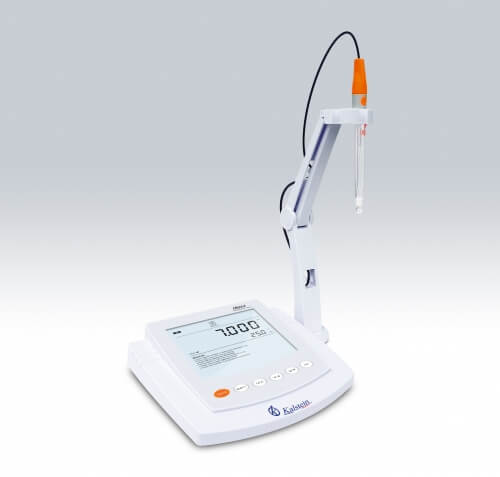
Bordskonduktivitetskontroller är sofistikerade enheter som är utformade för att mäta elektrisk konduktivitet i vätskor. Dessa instrument används i stor utsträckning inom olika områden såsom miljötestning, kvalitetskontroll inom tillverkning och kemisk analys. Den primära funktionen hos dessa kontroller är att tillhandahålla exakta konduktivitetsavläsningar, som är kritiska för att bedöma kvaliteten på vatten och andra lösningar. Modeller som YR01836-1 och YR01829 exemplifierar hur dessa enheter kan anpassas till specifika laboratoriebehov.
Betydelsen av LIMS i laboratorieoperationer
En LIMS är en programvarubaserad lösning som hjälper laboratorier att hantera prover, relaterade data och laboratoriearbetsflöden. Den strömlinjeformar processerna för datainsamling, analys och rapportering, och tillhandahåller en centraliserad plattform för att hantera laboratorieoperationer. Genom att integrera bordskonduktivitetskontroller med LIMS kan laboratorier automatisera datainmatning, förbättra spårning och öka efterlevnaden av regulatoriska standarder.
Nyckelfunktioner hos bordskonduktivitetskontroller
Bordskonduktivitetskontroller är utrustade med olika funktioner som underlättar deras integration med LIMS. Till exempel erbjuder YR01836 dubbla USB-gränssnitt för datatransfer, medan YR01828 stöder Bluetooth-anslutning för realtidsdatatransmission. Dessa funktioner gör det möjligt för laboratorier att effektivt hantera och analysera konduktivitetsdata, vilket ökar den övergripande produktiviteten.
Strategier för att integrera bordskonduktivitetskontroller med LIMS
Framgångsrik integration kräver en välplanerad strategi som adresserar flera nyckelområden:
- Anslutningsprotokoll: Se till att din konduktivitetskontroller stöder standard kommunikationsprotokoll som HL7, ASTM eller REST, som underlättar datautbyte med LIMS.
- Datakartläggning: Etablera en tydlig kartläggning av de data som samlas in av ledningsförmånskontrollerna till motsvarande fält i LIMS för att undvika datadiskrepanser.
- Automatisering: Använd automatiseringsverktyg inom LIMS för att automatiskt utlösa dataöverföringar från ledningsförmånskontrollerna, vilket minskar behovet av manuell datainmatning.
- Valideringssteg: Implementera valideringsprocesser för att säkerställa noggrannheten och integriteten hos de data som överförs mellan enheter och LIMS.
Jämförelse av tillgängliga modeller
| Modell | Anslutning | Stödda protokoll | Integrationsinsats | Bäst för |
|---|---|---|---|---|
| YR01836-1 | USB | USB-datat överföring | Medium | Allmänna laboratoriearbetsflöden |
| YR01836 | USB | USB, automatisk igenkänning | Låg | Akademisk forskning |
| YR01829-1 | Trådad | Standardprotokoll | Hög | Kvalitetskontroll |
| YR01829 | USB/Bluetooth | Bluetooth-anslutning | Medium | Fältprovning |
Vanliga misstag och hur man undviker dem
När man integrerar bordledningsförmånskontroller med LIMS gör laboratorier ofta flera vanliga misstag som kan hindra en framgångsrik implementering:
- Försummar utbildning: Att inte utbilda personalen om den nya integrationen kan leda till ineffektivitet och fel. Se till att omfattande utbildningssessioner genomförs.
- Ignorera datastandarder: Att inte följa datastandarder kan resultera i inkompatibla dataformat. Etablera standardarbetsprocedurer för datainmatning och hantering.
- Överse underhåll: Regelbundet underhåll av ledningsförmånskontrollerna är avgörande för noggranna avläsningar. Schemalägg periodiska kontroller för att säkerställa optimal prestanda.
Vanliga frågor
Hur kan jag integrera bordledningsförmånskontroller med mitt laboratories LIMS?
Att integrera bordledningsförmånskontroller som YR01829 med ditt LIMS kan uppnås genom att säkerställa kompatibilitet genom standard kommunikationsprotokoll som USB och etablera en tydlig datakartläggning för att strömlinjeforma arbetsflöden. Denna process förbättrar datanoggrannhet och operativ effektivitet.
Vilka är fördelarna med att använda Bluetooth-aktiverade ledningsmätare för LIMS-integration?
Bluetooth-aktiverade konduktivitetsmätare, såsom YR01828, erbjuder realtidsdataöverföring, vilket minskar manuella inmatningsfel och förbättrar datakvaliteten. Denna funktion gynnar i hög grad laboratorier som söker effektiv datastyrning inom sina LIMS.
Vilken tabellkonduktivitetskontroller är bäst för kvalitetskontroll i ett laboratorium?
YR01829-1 är väl lämpad för kvalitetskontrollapplikationer på grund av sin höga precision och automatiska temperaturkompensationsfunktioner, vilket gör att den kan ge pålitliga konduktivitetsmätningar som är avgörande för att upprätthålla produktstandarder.
Hur förbättrar LIMS-integration laboratoriedatastyrning?
LIMS-integration automatiserar datainsamling och bearbetning, vilket minskar mänskliga fel och ökar genomströmningen. Till exempel, att integrera en tabellkonduktivitetskontroller som YR01836 möjliggör sömlös dataflöde, vilket gör det enklare att spåra och analysera resultat.
Vad är den genomsnittliga kostnaden för tabellkonduktivitetskontroller som är kompatibla med LIMS?
Kostnaden för tabellkonduktivitetskontroller kan variera avsevärt, med priser som sträcker sig från $160 för modeller som YR01829 till cirka $355 för den avancerade YR01836-1. Att investera i kompatibla enheter är avgörande för effektiv LIMS-integration.
Vilka underhållspraxis bör jag följa för min konduktivitetsmätare?
För att underhålla din konduktivitetsmätare, såsom YR01836, se till att kalibrera regelbundet, rengöra elektroderna och kontrollera programuppdateringar. Dessa metoder hjälper till att bevara noggrannheten och förlänga enhetens livslängd.
Hur kan jag säkerställa datakvalitet under LIMS-integration?
Att säkerställa datakvalitet under integrationen innebär att etablera protokoll för datainmatning, använda standardiserade format och utföra regelbundna revisioner. Att genomföra utbildningssessioner för personalen om användningen av enheter som YR01829 kan ytterligare förbättra dataintegriteten.
Vilka faktorer bör jag överväga när jag väljer en ledningsförmånskontroller för LIMS?
När du väljer en ledningsförmånskontroller för LIMS-integration, överväg anslutningsalternativ, kalibreringsmöjligheter, användarvänlighet och datatransferprotokoll. Modeller som YR01836 erbjuder robusta funktioner som underlättar sömlös integration.
Om du letar efter en fusion av innovation och kvalitet har du kommit till rätt ställe. På Kalstein erbjuder vi dig lyxen att utforska vår exklusiva katalog av laboratorieutrustning. Vi tillverkar varje enhet enligt de högsta standarderna för excellens. Våra intuitiva och sömlösa onlineinköpskanaler är utformade för din bekvämlighet och säkerställer de mest konkurrenskraftiga priserna. Tveka inte längre — vi ger liv åt vetenskapen, det är dags att bli en del av vårt samhälle.