Hur man uppnår LIMS-integration och digitalisering av dataflödet i veterinär laparoskopsystem?
Implementeringen av laboratorieinformationshanteringssystem (LIMS) i veterinär laparoskopsystem är avgörande för att förbättra arbetsflödes effektivitet och datanoggrannhet. Denna artikel utforskar vikten av att integrera LIMS med veterinär laparoskopsutrustning, med fokus på hur sådan integration underlättar bättre datamanagement, strömlinjeformade processer och förbättrade kirurgiska resultat. Eftersom det veterinärmedicinska området fortsätter att utvecklas teknologiskt, blir införandet av LIMS i laparoskopi en nödvändighet för moderna veterinärpraxis.
Förståelse för LIMS-integration i veterinär laparoskopi
LIMS-integration möjliggör sömlöst dataflöde mellan olika kirurgiska enheter och hanteringssystemet, vilket möjliggör noggrann registrering och följsamhet till protokoll. I veterinär laparoskopi kan denna integration avsevärt förbättra både användarupplevelsen och patientresultaten. Data som genereras från procedurer kan fångas i realtid, vilket säkerställer noggrann spårning, rapportering och efterlevnad av veterinärregler.
Fördelar med digitalisering av dataflödet
Digitalisering av dataflödet i veterinär laparoskopsystem minskar risken för mänskliga fel, förbättrar dataåtkomst och främjar bättre kommunikation bland veterinärpersonal. Denna digitala transformation hjälper inte bara vid kirurgiska procedurer utan stöder också postoperativ analys och beslutsfattande, vilket förbättrar den övergripande veterinärvården.
Nyckelanslutningsprotokoll för LIMS-integration
Framgångsrik LIMS-integration i veterinär laparoskopsystem bygger på olika anslutningsprotokoll som HL7, ASTM och REST. Dessa protokoll möjliggör överföring av data mellan utrustning, vilket säkerställer att den registreras korrekt och enkelt kan nås av veterinärprofessionella. Att förstå dessa protokoll är avgörande för effektiv integration och datamanagement.
Modeller och deras roll i LIMS-integration
Olika modeller i familjen av veterinär laparoskopsystem spelar distinkta roller i att underlätta LIMS-integration:
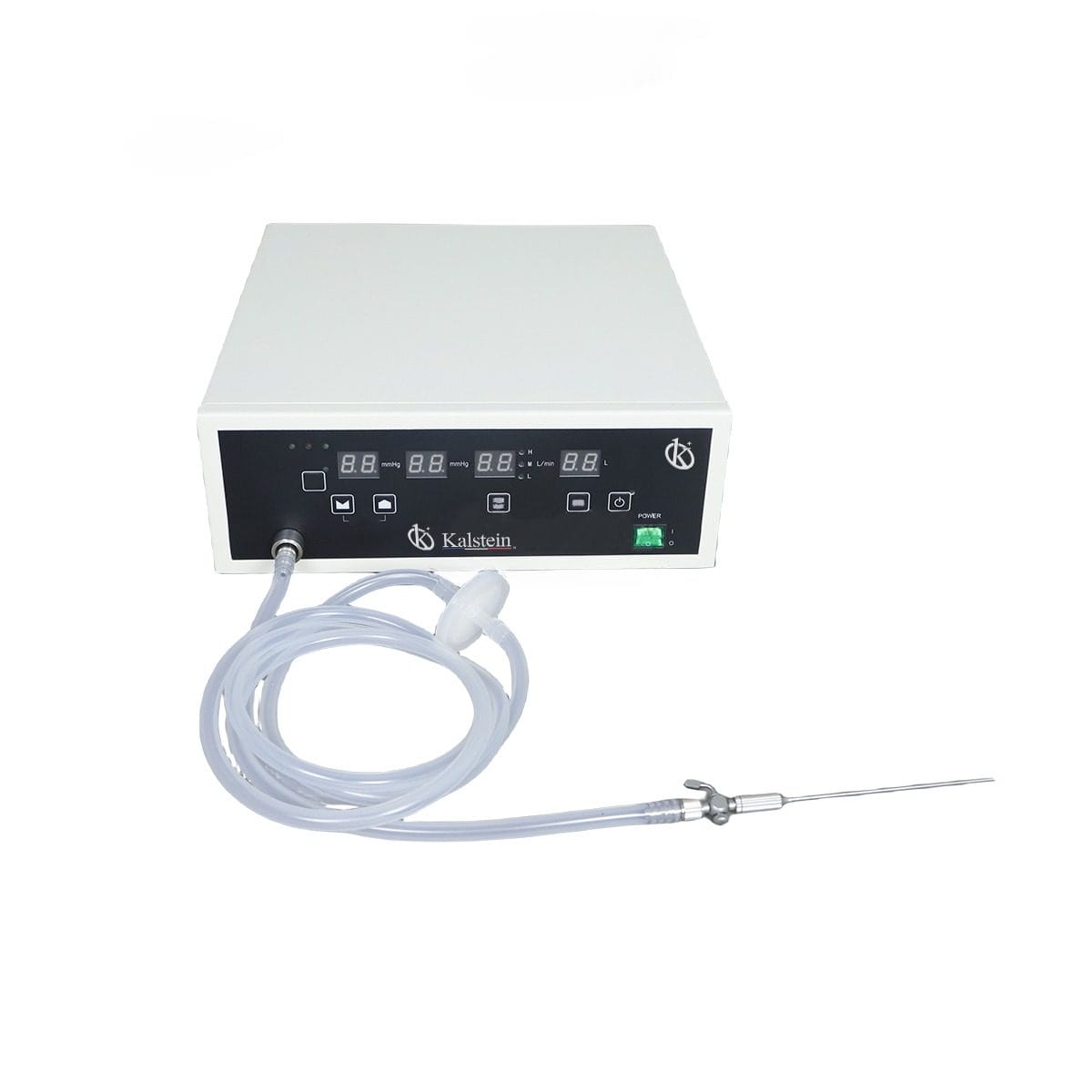
- Veterinary CO2 Insufflator YR06157: Bäst lämpad för små djur, säkerställer denna modell optimal CO2-flöde och tillhandahåller ett säkert alarmsystem för procedursäkerhet, integreras sömlöst med LIMS för noggrann datainsamling.
- Mobil högupplöst endoskopiskt bildsystem YR06156: Detta system ger högkvalitativ bildbehandling och är portabelt, vilket gör det idealiskt för varierande operationsmiljöer. De digitala funktionerna förbättrar datadokumentationen under procedurer.
- Veterinär CO2 Insufflator YR06158: Med sitt pekskärmsgränssnitt och omfattande övervakningsalternativ stöder denna modell effektivt digital datainspelning och LIMS-funktioner.
Jämförelse av tillgängliga modeller
| Modell | Anslutning | Stödda protokoll | Integrationsinsats | Bäst för |
|---|---|---|---|---|
| YR06157 | Grundläggande | HL7 | Moderat | Smådjursprocedurer |
| YR06156 | Avancerad | REST, ASTM | Låg | Mobila operationer |
| YR06158 | Intermediär | HL7, ASTM | Moderat | Flexibla kirurgiska uppställningar |
Vanliga misstag och hur man undviker dem
Att integrera LIMS med veterinär laparoskopisystem kan vara utmanande. Vanliga misstag inkluderar att underskatta vikten av personalutbildning, att inte säkerställa kompatibilitet mellan enheter och att försumma att prioritera användarvänliga gränssnitt. För att undvika dessa fallgropar, investera i omfattande utbildning för personalen, säkerställ att alla enheter är kompatibla med LIMS och välj system som är intuitiva för enkel användning.
Bästa praxis för LIMS-integration
För att optimera LIMS-integration är det viktigt att regelbundet uppdatera programvara, genomföra rutinunderhåll och etablera tydliga protokoll för datastyrning. Dessutom kan främjande av kommunikation bland personalen hjälpa till att strömlinjeforma arbetsflöden och säkerställa att alla är överens om integrationsinsatser.
Vanliga frågor
Hur kan LIMS-integration förbättra effektiviteten i veterinär laparoskopisystem?
LIMS-integration förbättrar effektiviteten genom att automatisera datainmatning, minska fel och möjliggöra realtidsåtkomst till data. Till exempel stöder YR06156-modellen sömlös dataflöde, vilket gör att veterinärpersonal kan fokusera mer på patientvård snarare än administrativa uppgifter.
Vilka protokoll är avgörande för framgångsrik LIMS-integration i veterinär laparoskopi?
Avgörande protokoll för framgångsrik LIMS-integration inkluderar HL7 och ASTM. Dessa protokoll hjälper till att säkerställa att enheter som YR06157 kan kommunicera effektivt med LIMS, vilket förbättrar datanoggrannhet och arbetsflödes effektivitet.
Vilka är fördelarna med att digitalisera dataflödet i veterinär laparoskopi?
Digitalisering av dataflödet i veterinär laparoskopi förbättrar datanoggrannhet, minskar mänskliga fel och ökar tillgängligheten. Till exempel stöder YR06158-modellens pekskärmsfunktioner effektiv datainspelning och hantering, vilket leder till mer effektiva kirurgiska resultat.
Hur väljer jag rätt veterinär laparoskopisystem för LIMS-integration?
Att välja rätt system innebär att bedöma kompatibilitet med ditt befintliga LIMS, utvärdera anslutningsprotokoll och överväga användarvänlighet. Modeller som YR06156 är kända för sina avancerade integrationsmöjligheter, vilket gör dem till ett starkt val för många praktiker.
Vilken utbildning behövs för personal som använder LIMS-integrerade veterinär laparoskopisystem?
Personalutbildning bör täcka LIMS-funktioner, enhetsdrift och datamanagementprotokoll. Att säkerställa att personalen är bekant med modeller som YR06157 och YR06158 kommer att förbättra deras förmåga att effektivt använda dessa system.
Hur ofta bör LIMS-integrerade system uppdateras och underhållas?
LIMS-integrerade system bör uppdateras regelbundet, minst var sjätte månad, och genomgå underhållskontroller för att säkerställa sömlös drift. Detta är avgörande för enheter som YR06156, som kräver programuppdateringar för optimal prestanda.
Vilken roll spelar larm i LIMS-integrerade veterinär laparoskopisystem?
Larm i LIMS-integrerade system, såsom de i YR06157-modellen, fungerar som säkerhetsfunktioner som varnar användare för eventuella avvikelser under procedurer. Detta säkerställer att dataintegriteten upprätthålls och att patientens säkerhet prioriteras.
Hur kan jag säkerställa datanoggrannhet i en LIMS-integrerad veterinär laparoskopiuppsättning?
Datanoggrannhet kan säkerställas genom att etablera tydliga datainmatningsprotokoll, regelbundet utbilda personal och använda pålitlig utrustning som YR06158, som har avancerad övervakning för noggrann datainsamling.
Om du letar efter en fusion av innovation och kvalitet har du kommit till rätt ställe. På Kalstein erbjuder vi dig lyxen att utforska vår exklusiva katalog av laboratorieutrustning. Vi tillverkar varje enhet enligt de högsta standarderna för excellens. Våra intuitiva och sömlösa onlineköpskanaler är utformade för din bekvämlighet, vilket säkerställer de mest konkurrenskraftiga priserna. Tveka inte längre — vi ger liv åt vetenskapen, det är dags att bli en del av vårt samhälle.