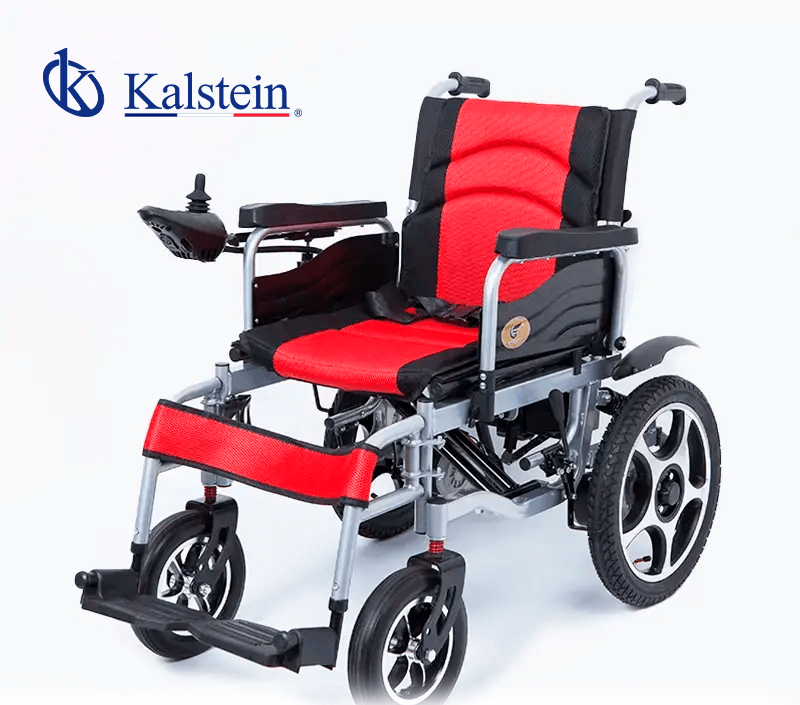
Maximera ROI och kostnads-nyttoanalys för elektriska rullstolar: En omfattande guide
I den ständigt föränderliga vårdlandskapet, särskilt när det gäller mobilitets hjälpmedel, är det avgörande att förstå avkastningen på investering (ROI) och genomföra en grundlig kostnads-nyttoanalys för elektriska rullstolar. Elektriska rullstolar är inte bara hjälpmedel; de representerar betydande ekonomiska investeringar för vårdinrättningar och individer. Syftet med denna guide är att belysa metoder för att beräkna ROI, analysera kostnadseffektivitet och ge insikter om olika modeller av elektriska rullstolar som finns på marknaden.
Förstå ROI och kostnads-nyttoanalys i samband med elektriska rullstolar
ROI för elektriska rullstolar involverar att utvärdera den ekonomiska avkastningen från investeringen i förhållande till dess kostnad. Detta inkluderar direkta fördelar som förbättrad rörlighet och självständighet för användarna, samt indirekta fördelar som minskad belastning på vårdgivare och ökad patientnöjdhet. En kostnads-nyttoanalys jämför de totala förväntade kostnaderna mot de totala förväntade fördelarna, vilket hjälper intressenter att fatta informerade köpbeslut.
Nyckelfaktorer som påverkar ROI för elektriska rullstolar
Flera faktorer påverkar ROI för elektriska rullstolar, inklusive:
- Inledande inköpskostnad: Detta inkluderar det initiala priset på rullstolen.
- Underhållskostnad: Regelbundet underhåll och byte av delar bidrar till löpande kostnader.
- Driftskostnader: Energiförbrukning och batteribyte ökar de totala utgifterna.
- Hållbarhet och livslängd: En mer hållbar rullstol minskar frekvensen av byten.
- Användarfördelar: Förbättrad rörlighet kan leda till bättre hälsoutfall, vilket minskar vårdkostnader.
Jämförande analys av modeller av elektriska rullstolar
När man bedömer elektriska rullstolar är det viktigt att jämföra flera modeller för att avgöra vilken som erbjuder den bästa ROI. Nedan finns en jämförelsetabell som belyser viktiga specifikationer och potentiella ROI-relaterade mått för olika modeller.
| Modell | Inledande kostnad (USD) | Hållbarhet (År) | Underhållskostnad/år (USD) | Användarfördelar |
|---|---|---|---|---|
| YR05440 | 317.00 | 5 | 50 | Kompakt design för resor |
| YR05441 | 352.00 | 6 | 75 | Justerbara funktioner |
| YR05442 | 793.00 | 7 | 100 | Terrängkapabiliteter |
| YR05443 | 678.00 | 6 | 60 | Fjärrkontrollfunktionalitet |
| YR05444 | 1125.70 | 8 | 120 | Bluetooth-kontroll |
| YR05445 | 610.00 | 6 | 55 | Lättviktsdesign |
Beräkna kostnaden per användning för elektriska rullstolar
För att effektivt bedöma de ekonomiska avkastningarna av elektriska rullstolar är det avgörande att beräkna kostnaden per användning. Denna mätning innebär att man delar den totala ägandekostnaden med antalet användningar under rullstolens livslängd. Till exempel:
- Årlig underhållskostnad = $75 (för YR05441)
- Beräknad livslängd = 6 år
- Total kostnad = $352 + ($75 * 6) = $752
- Anta 200 användningar/år = 1200 användningar över 6 år
- Kostnad per användning = $752 / 1200 = $0.62667
Således kommer kostnaden per användning för YR05441 elektriska rullstolen att bli cirka $0.63, vilket hjälper intressenter att bedöma dess ekonomiska livskraft.
Vanliga misstag vid analys av ROI för elektriska rullstolar
Flera vanliga fallgropar kan hindra noggranna ROI-bedömningar:
- Att försumma långsiktiga kostnader: Många köpare fokuserar enbart på det initiala priset och ignorerar löpande kostnader.
- Att förbise användarfördelar: De immateriella fördelarna med förbättrad rörlighet och självständighet underskattas ofta.
- Otillräcklig datainsamling: Att misslyckas med att samla in detaljerad användnings- och underhållsdata kan leda till felaktiga slutsatser.
Experttips för att optimera ROI för elektriska rullstolar
För att maximera ROI, överväg dessa strategier:
- Välj modeller klokt: Välj modeller som stämmer överens med användarnas behov och anläggningarnas operativa kapabiliteter.
- Genomför regelbundet underhåll: Regelbundet underhåll kan förlänga rullstolens livslängd och sänka totala kostnader.
- Utbilda användare: Träna användare i optimal drift för att förbättra rullstolens effektivitet och livslängd.
Vanliga frågor
Vilka faktorer bör jag överväga när jag väljer en elektrisk rullstol för ROI?
När du väljer en elektrisk rullstol, överväg faktorer som initial kostnad, underhållskostnader och användarfördelar. Till exempel kan modeller som YR05442, med avancerade funktioner, erbjuda större långsiktig användbarhet trots högre kostnader, vilket i slutändan förbättrar ROI.
Hur kan jag beräkna underhållskostnaderna för elektriska rullstolar?
Underhållskostnader kan uppskattas baserat på historiska servicedata och tillverkarens rekommendationer. Till exempel, YR05441-modellen har en genomsnittlig kostnad på cirka $75 per år, vilket du bör ta med i dina totala kostnadsberäkningar för en noggrann ROI-bedömning.
Vilka är de långsiktiga användarfördelarna med elektriska rullstolar?
Användarfördelar inkluderar förbättrad rörlighet, ökad självständighet och förbättrad livskvalitet. Till exempel, YR05442-modellen möjliggör användning i alla terränger, vilket gör den lämplig för varierande miljöer, och därmed motiverar dess högre investering genom olika tillämpningar.
Hur bedömer jag den totala ägandekostnaden för elektriska rullstolar?
Den totala ägandekostnaden inkluderar det initiala inköpspriset, underhållskostnader och potentiella besparingar från förbättrad rörlighet. Till exempel, YR05440:s totala kostnad efter fem år, inklusive underhåll, är cirka $752, vilket hjälper till att analysera dess långsiktiga värde.
Vilken elektrisk rullstolsmodell är bäst för tighta budgetar utan att kompromissa med kvalitet?
För tighta budgetar erbjuder YR05440 en överkomlig ingångspunkt med en solid design för portabilitet, vilket gör den till ett utmärkt val för grundläggande behov utan att kompromissa för mycket med kvaliteten.
Hur kan energiförbrukning påverka kostnads-nyttoanalysen av elektriska rullstolar?
Energiförbrukning påverkar långsiktiga driftskostnader. Modeller som YR05444, som använder ett litiumbatteri, kan ge lägre energikostnader jämfört med traditionella modeller, vilket positivt påverkar kostnads-nyttoresultatet genom att minska elräkningar.
Vad är den rekommenderade livslängden att utvärdera när man köper en elektrisk rullstol?
Den rekommenderade livslängden varierar beroende på modell; dock är en allmän uppskattning 5 till 8 år. Till exempel, YR05444-modellen erbjuder större hållbarhet, vilket gynnar användare genom förlängd service utan frekventa byten.
Hur avgör jag om en elektrisk rullstol är värd investeringen?
Bedöm värdet genom att jämföra initiala kostnader, potentiella besparingar från förbättrad rörlighet och användarnöjdhetsnivåer. Till exempel, modeller som YR05442 motiverar investeringen genom hållbarhet och multifunktionalitet, vilket kan leda till betydande långsiktiga fördelar.
Om du letar efter en fusion av innovation och kvalitet har du kommit till rätt ställe. På Kalstein erbjuder vi dig lyxen att utforska vår exklusiva katalog av laboratorieutrustning. Vi tillverkar varje enhet enligt de högsta standarderna för kvalitet. Våra intuitiva och sömlösa onlineköpskanaler är utformade för din bekvämlighet, vilket säkerställer de mest konkurrenskraftiga priserna. Tveka inte längre — vi ger liv åt vetenskapen, det är dags att bli en del av vårt samhälle.