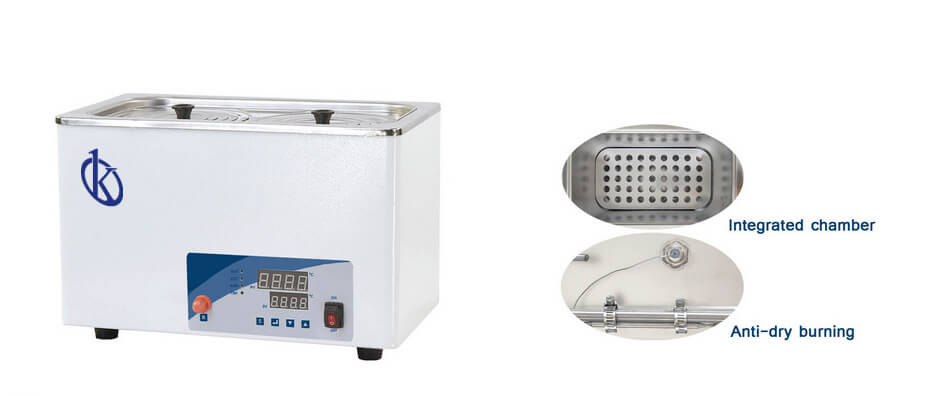
Maximera ROI och kostnads-nyttoanalys i laboratorievattenbad
I laboratoriemiljöer spelar vattenbad en avgörande roll i olika tillämpningar, från biologisk forskning till kemisk analys. Eftersom laboratorier står inför ökande press att optimera sina driftskostnader samtidigt som de upprätthåller höga prestationsstandarder, blir det avgörande att förstå avkastningen på investeringar (ROI) och genomföra en omfattande kostnads-nyttoanalys. Denna artikel fördjupar sig i vikten av dessa finansiella bedömningar i samband med laboratorievattenbad och belyser flera modeller som finns på marknaden.
Förstå ROI och kostnads-nyttoanalys för vattenbad
ROI mäter vinsten eller förlusten som genereras i förhållande till investeringskostnaden, vanligtvis uttryckt som en procentandel. I laboratoriemiljöer involverar beräkning av ROI för vattenbad att granska initiala inköpskostnader, underhållskostnader och drifteffektivitet över tid. Kostnads-nyttoanalys kompletterar detta genom att bedöma de konkreta och abstrakta fördelarna som erhålls från att använda specifik utrustning mot dess kostnader.
Till exempel kan investering i ett högkvalitativt vattenbad minska energiförbrukningen och förbättra provbehandlingstider, vilket leder till högre genomströmning och effektivitet. Därför kan en grundlig analys avslöja viktiga insikter om vilka modeller som ger det bästa långsiktiga värdet.
Kriterier för att utvärdera ROI i laboratorievattenbad
Flera faktorer måste beaktas vid utvärdering av ROI i vattenbad, inklusive:
- Initialt kapitalutlägg (CAPEX): Den initiala kostnaden för att förvärva en vattenbadmodell. Lågkostnadsmodeller kan ha högre driftskostnader, vilket påverkar ROI negativt.
- Driftskostnader (OPEX): Löpande kostnader, inklusive elektricitet, underhåll och potentiella förbrukningsvaror kopplade till modellen.
- Effektivitetsvinster: Tidsbesparingar och ökad genomströmning som ett resultat av att använda avancerade modeller kan avsevärt förbättra ROI.
- Hållbarhet och livslängd: Modeller med längre livslängd kan rättfärdiga en högre initial investering genom minskad frekvens av utbyten.
Jämförelse av tillgängliga modeller
| Modell | Initial kostnad (USD) | OPEX (Årlig, USD) | Förväntad livslängd (År) | Effektivitetsbetyg |
|---|---|---|---|---|
| YR05073 | 67.00 | 150 | 5 | 85% |
| YR05074 | 80.00 | 140 | 5 | 90% |
| YR030L | 602.00 | 200 | 7 | 95% |
| YR05001 | 1974.00 | 300 | 10 | 98% |
| YR05002 | 2646.00 | 400 | 10 | 97% |
| YR05003 | 2982.00 | 450 | 10 | 96% |
Denna jämförelsetabell beskriver de initiala kostnaderna, driftskostnaderna, förväntad livslängd och effektivitetspoäng för olika modeller, vilket ger en tydlig översikt över potentiell ROI.
Vanliga Misstag och Hur Man Undviker Dem
När man bedömer ROI och genomför kostnads-nyttoanalys för laboratorievattenbad, kan flera vanliga misstag undergräva effektiviteten i utvärderingen:
- Att Ignorera Totala Ägandekostnader: Att enbart fokusera på inköpspriset utan att ta hänsyn till löpande kostnader kan leda till dåliga investeringsbeslut. Inkludera alltid underhåll, energiförbrukning och förbrukningsmaterial i dina beräkningar.
- Att Överse Effektivitetsmått: Att inte utvärdera hur varje modells effektivitetspoäng kan påverka den totala genomströmningen och produktiviteten är ett misstag. Välj modeller som inte bara passar din budget utan också erbjuder hög effektivitet.
- Att Försummar Användarbehov: Att inte ta hänsyn till specifika tillämpningar och användarkrav i laboratoriet kan leda till att man köper utrustning som inte fullt ut uppfyller driftsbehoven.
Energieffektivitet och Hållbarhet i Vattenbad
Energiförbrukning är en kritisk faktor i kostnads-nyttoanalysen av laboratorieutrustning. Varje vattenbadmodell har olika energikrav, vilket kan påverka driftskostnaderna avsevärt. Till exempel, modeller med hög effektivitetspoäng, såsom YR05001 och YR05002, förbrukar mindre energi, vilket leder till lägre elkostnader över tid. Laboratorier som strävar efter hållbarhet bör prioritera energieffektiva modeller för att minska sitt koldioxidavtryck och driftskostnader.
Implementering av Prediktivt Underhåll för Vattenbad
Prediktivt underhåll innebär att använda data för att förutsäga när utrustning kommer att gå sönder så att underhåll kan utföras i tid för att undvika driftstopp. För vattenbad kan detta inkludera övervakning av temperaturstabilitet och energiförbrukning. Modeller som YR030L, som har avancerade styrsystem, kan tillhandahålla data som kan analyseras för att optimera underhållsscheman, vilket minimerar störningar och maximerar ROI.
Fallstudier: ROI-analys från Verkliga Laboratorier
Att analysera ROI genom verkliga exempel kan ge värdefulla insikter. Till exempel kan ett laboratorium som använder YR05073 vattenbad ha genomfört en ROI-analys efter ett års drift:
- Initial Kostnad: $67.00
- Årlig OPEX: $150.00
- Totala Kostnader Efter Ett År: $217.00
- Effektivitet Vinster: Förbättrade provbearbetningstider ledde till produktion av 200 ytterligare tester, värderade till $5000.
- ROI: 2200% (beräknat som vinst från investering delat med totala kostnader).
Vanliga Frågor
Hur kan jag beräkna ROI för en laboratorievattenbadmodell?
För att beräkna ROI för en laboratorievattenbadmodell, såsom YR05073, bestäm de totala vinsterna från att använda badet över tid, subtrahera de totala kostnaderna (både CAPEX och OPEX), och dela med de totala kostnaderna. Uttryck detta som en procentandel för tydlighet.
Vilka är de huvudsakliga driftskostnaderna för laboratorievattenbad?
Huvudsakliga driftskostnader för laboratorievattenbad inkluderar elförbrukning, underhåll och förbrukningsmaterial. Till exempel har YR05074-modellen en årlig driftskostnad på cirka $140, vilket bör beaktas i ROI-beräkningar.
Vilken vattenbadmodell erbjuder den bästa energieffektiviteten?
YR05001-modellen är känd för sin höga energieffektivitet, med en konsumtionsminskning på upp till 30% jämfört med referensmodeller, vilket gör den till ett smart val för laboratorier som vill minska driftskostnaderna.
Vad är den typiska livslängden för ett högkvalitativt laboratorievattenbad?
Ett högkvalitativt laboratorievattenbad, såsom YR05002, har vanligtvis en livslängd på cirka 10 år, beroende på användning och underhåll, vilket bidrar positivt till dess ROI.
Hur förbättrar prediktivt underhåll ROI för vattenbad?
Prediktivt underhåll förbättrar ROI genom att minska oväntad stilleståndstid och förlänga livslängden på utrustningen. Modeller som YR030L tillhandahåller dataanalys för att förutsäga underhållsbehov, optimera användning och minska kostnader.
Vilka faktorer bör jag överväga när jag väljer en vattenbadmodell?
När du väljer en vattenbadmodell, överväg initiala kostnader, energieffektivitet, driftskostnader och specifika laboratoriebehov. Modeller som YR05073 och YR05074 erbjuder distinkta fördelar beroende på ditt laboratories krav.
Hur kan energiförbrukning påverka kostnads-nyttoanalysen av vattenbad?
Energiförbrukning påverkar direkt driftskostnaderna, som är integrerade i kostnads-nyttoanalysen. Modeller med lägre förbrukningsnivåer, såsom YR05001, kan avsevärt förbättra den totala avkastningen genom att minska elräkningar.
Vilka är de bästa metoderna för att genomföra en kostnads-nyttoanalys av vattenbad?
Bästa metoder för att genomföra en kostnads-nyttoanalys inkluderar att samla in omfattande data om initiala och driftskostnader, utvärdera prestationsmått och projicera framtida kostnader och besparingar baserat på användningsmönster.
Om du letar efter en fusion av innovation och kvalitet har du kommit till rätt ställe. På Kalstein erbjuder vi dig lyxen att utforska vår exklusiva katalog av laboratorieutrustning. Vi tillverkar varje enhet enligt de högsta standarderna för kvalitet. Våra intuitiva och sömlösa onlineköpskanaler är utformade för din bekvämlighet, vilket säkerställer de mest konkurrenskraftiga priserna. Tveka inte längre — vi ger liv åt vetenskapen, det är dags att bli en del av vårt samhälle.