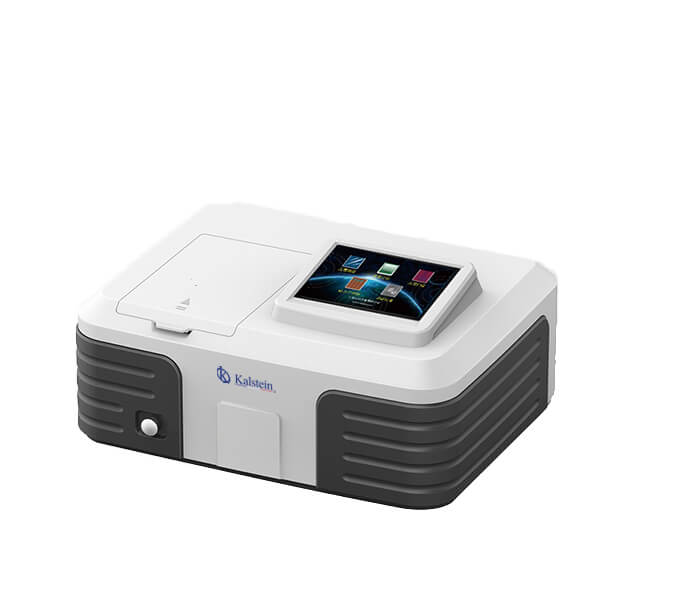
Hur prediktivt underhåll och periodisk kalibrering förbättrar prestandan hos dubbelstrålespektrofotometrar
I moderna laboratorier är precision och tillförlitlighet icke-förhandlingsbara krav. Dubbelstrålespektrofotometrar är kritiska instrument för olika analytiska uppgifter, inklusive kvantifiering av nukleinsyror, proteiner och olika kemiska ämnen. För att säkerställa deras optimala prestanda är det viktigt att implementera strategier för prediktivt underhåll och periodisk kalibrering. Denna artikel fördjupar sig i vikten av dessa strategier och utforskar hur de kan förbättra funktionaliteten och livslängden hos dubbelstrålespektrofotometrar.
Förståelse för dubbelstrålespektrofotometrar
Dubbelstrålespektrofotometrar använder två ljusvägar för att förbättra noggrannheten och tillförlitligheten i mätningar. En stråle passerar genom provet, medan den andra fungerar som en referens, vilket gör att systemet kan ta hänsyn till eventuella fluktuationer i ljuskällan och andra instrumentella variationer. Denna funktion är särskilt relevant för laboratorier som kräver hög precision i sina analyser.
Vikten av prediktivt underhåll
Prediktivt underhåll är en proaktiv strategi som syftar till att förutsäga när en utrustning kommer att gå sönder så att underhåll kan utföras i tid för att undvika störningar. För dubbelstrålespektrofotometrar säkerställer prediktivt underhåll att dessa instrument förblir i toppskick, vilket undviker kostsamma driftstopp och säkerställer konsekvent prestanda. Denna strategi minimerar risken för oväntade fel och förlänger livslängden på utrustningen.
Nyckelfördelar med prediktivt underhåll
1. **Minskad driftstid:** Genom att förutse fel kan laboratorier schemalägga reparationer under lågsäsong, vilket upprätthåller arbetsflödes effektivitet.
2. **Kostnadseffektivitet:** Prediktivt underhåll visar sig ofta vara mer ekonomiskt jämfört med reaktivt underhåll, eftersom det hjälper till att förhindra stora reparationer och byten.
3. **Förbättrad noggrannhet:** Regelbundna kontroller och underhåll säkerställer tillförlitligheten i mätningar, vilket är avgörande i känsliga analyser.
Periodisk kalibrering: En nödvändighet för precision
Kalibrering är processen att justera instrumentet för att säkerställa att dess mätningar är exakta och tillförlitliga. Periodisk kalibrering är avgörande för dubbelstrålespektrofotometrar för att upprätthålla efterlevnad av olika internationella standarder och för att säkerställa att resultaten är pålitliga.
Kalibreringsstandarder och bästa praxis
Att följa branschstandarder, såsom ISO 17025, är avgörande under kalibreringsprocessen. Denna standard dikterar kraven för kompetensen hos test- och kalibreringslaboratorier, vilket säkerställer tillförlitligheten av resultaten. Regelbunden kalibrering ökar trovärdigheten av laboratorieresultat och kan underlätta smidigare revisioner och inspektioner.
Jämförelse av tillgängliga modeller
| Modell | Våglängdsområde (nm) | Noggrannhet | Bäst för |
|---|---|---|---|
| YR01858 | 320-1100 | ± 0.5 nm | Allmänna laboratorieapplikationer |
| YR01862 | 190-1100 | ± 0.1 nm | Avancerad analys, inklusive DNA/protein testning |
| YR01862-1 | 190-1100 | ± 0.1 nm | Högprecisionsapplikationer med minimal ljusinterferens |
| YR01862-2 | 190-1100 | ± 0.1 nm | Robusta analyser i utmanande miljöer |
| YR01864 | 190-1100 | ± 0.1 nm | Standard och avancerad laboratorieanvändning |
| YR01865 | 190-1100 | ± 0.1 nm | Omfattande testscenarier |
Vanliga misstag och hur man undviker dem
Effektiv underhåll och kalibrering kräver noggrannhet. Vanliga misstag inkluderar att försummas schemalagt underhåll, att inte strikt följa kalibreringsprotokoll och att förbise miljöfaktorer som kan påverka instrumentets prestanda.
Strategier för att undvika vanliga fallgropar
1. **Etablera ett underhållsschema:** Utveckla ett tydligt schema för regelbundet underhåll och kalibrering för att säkerställa konsekvens.
2. **Utbilda personal:** Se till att all laboratoriepersonal är tillräckligt utbildad om vikten av kalibrering och hur man utför underhållsuppgifter korrekt.
3. **Övervaka miljöförhållanden:** Kontrollera regelbundet att laboratorieförhållandena överensstämmer med specifikationer som stödjer optimal instrumentfunktion.
Maximera effektiviteten med prediktivt underhåll
Att integrera prediktivt underhåll i laboratoriearbetsflöden kan vara transformativt. Genom att använda dataanalys och övervakningsverktyg kan laboratorier effektivt förutsäga fel innan de inträffar.
Implementering av strategier för prediktivt underhåll
1. **Datainsamling:** Samla in prestandadata från spektrofotometrar för att identifiera mönster som kan indikera potentiella fel.
2. **Tillståndsövervakning:** Använd sensorer för att övervaka de förhållanden under vilka instrument fungerar, vilket ger insikter om när underhåll är nödvändigt.
3. **Analys och rapportering:** Analysera regelbundet insamlad data för att förfina underhållsscheman och kalibreringskontroller, vilket säkerställer att all utrustning fungerar optimalt.
Kalibreringsintervall: Hur ofta bör du kalibrera?
Att bestämma den lämpliga kalibreringsfrekvensen kan bero på den specifika modellen och dess användningsförhållanden. En vanlig riktlinje är att kalibrera högprecisionsspektrofotometrar var sjätte månad, men detta kan variera beroende på användningsintensitet och laboratorieförhållanden.
| Modell | Rekommenderat kalibreringsintervall | Kalibreringsmetod |
|---|---|---|
| YR01858 | 6 månader | ISO 17025-kompatibel |
| YR01862 | 6 månader | ISO 17025-kompatibel |
| YR01862-1 | 6 månader | ISO 17025-kompatibel |
| YR01862-2 | 6 månader | ISO 17025-kompatibel |
| YR01864 | 6 månader | ISO 17025-kompatibel |
| YR01865 | 6 månader | ISO 17025-kompatibel |
Vanliga frågor
Hur förbättrar prediktivt underhåll noggrannheten hos dubbelstrålespektrofotometrar?
Prediktivt underhåll säkerställer att dubbelstrålespektrofotometrar regelbundet övervakas för prestandaproblem, vilket förbättrar deras noggrannhet. Till exempel drar YR01862-modellen nytta av prediktiva algoritmer som upptäcker avvikelser i driften, vilket säkerställer att instrumentet fungerar inom angivna parametrar.
Vilka kalibreringsstandarder rekommenderas för dubbelstrålespektrofotometrar?
ISO 17025 är den primära kalibreringsstandarden för dubbelstrålespektrofotometrar, vilket säkerställer att laboratorier upprätthåller nödvändig kompetens för testning och kalibrering. Modeller som YR01858 uppfyller denna standard, vilket säkerställer pålitlig prestanda över olika tillämpningar.
Vilka faktorer påverkar kalibreringsfrekvensen för en spektrofotometer?
Kalibreringsfrekvensen för spektrofotometrar påverkas av användningsintensitet, miljöförhållanden och den specifika modellen. Till exempel kräver YR01864-modellen kalibrering var sjätte månad under normala driftsförhållanden för att upprätthålla noggrannheten.
Hur kan jag säkerställa att min dubbelstrålespektrofotometer uppfyller internationella standarder?
För att säkerställa efterlevnad måste laboratorier följa kalibreringsstandarder som ISO 17025 och genomföra regelbundna underhållskontroller. Att använda modeller som YR01862 kan stödja efterlevnadsinsatser genom inbyggda kalibreringsfunktioner som förenklar processen.
Vilka underhållsuppgifter är avgörande för dubbelstrålespektrofotometrar?
Avgörande underhållsuppgifter inkluderar rengöring av optiska komponenter, kontroll av justering och utförande av rutinmässiga kalibreringar. Att genomföra dessa uppgifter för modeller som YR01862-2 säkerställer att instrumentet förblir i optimalt arbetsvillkor.
Hur ofta bör jag utföra prediktivt underhåll på min dubbelstrålespektrofotometer?
Prediktivt underhåll bör utföras regelbundet, helst integrerat i ditt rutinunderhållsschema. Till exempel, modellen YR01865 drar nytta av månatliga prestandakontroller som kan hjälpa till att förutsäga när djupare underhåll behövs.
Vilka är fördelarna med att implementera en strategi för prediktivt underhåll?
Att implementera en strategi för prediktivt underhåll kan leda till minskad stilleståndstid, ökad tillförlitlighet och betydande kostnadsbesparingar. Modeller som YR01862 kan utnyttja prediktiv analys för att förbättra sin operativa effektivitet över tid.
Hur kan jag förbättra kalibreringsprocessen för min dubbelstrålespektrofotometer?
Att förbättra kalibreringsprocessen innebär att följa ISO 17025-riktlinjer, säkerställa att du använder spårbara standarder och inkludera regelbunden utbildning för laboratoriepersonal. Att använda modeller som YR01864 kan effektivisera kalibreringsinsatser genom avancerade funktioner som förenklar uppgifterna.
Om du letar efter en fusion av innovation och kvalitet har du kommit till rätt ställe. På Kalstein erbjuder vi dig lyxen att utforska vår exklusiva katalog av laboratorieutrustning. Vi tillverkar varje enhet enligt de högsta standarderna för excellens. Våra intuitiva och sömlösa onlineköpskanaler är utformade för din bekvämlighet, vilket säkerställer de mest konkurrenskraftiga priserna. Tveka inte längre — vi ger liv åt vetenskapen, det är dags att bli en del av vårt samhälle.