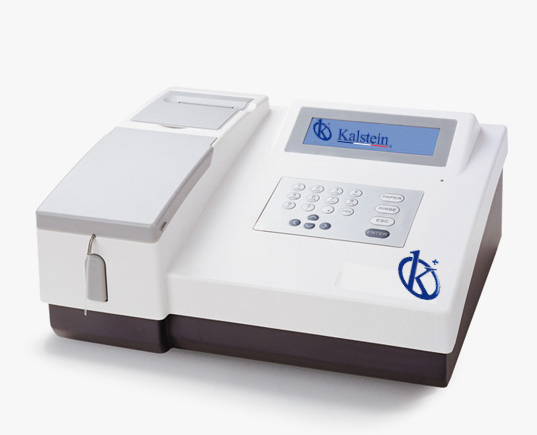
How to Implement Predictive Maintenance and Recommended Calibration for Chemical Analyzers?
For laboratory professionals, ensuring the reliability and accuracy of chemical analyzers is paramount. Implementing predictive maintenance and establishing a recommended calibration schedule can significantly enhance the performance of these devices. This article will delve into the critical aspects of predictive maintenance, calibration strategies, and how these elements contribute to the overall efficiency of chemical analyzers.
Understanding Predictive Maintenance in Chemical Analyzers
Predictive maintenance (PdM) involves regular monitoring of equipment performance to anticipate failures before they occur. This proactive approach contrasts sharply with traditional maintenance practices, which are often reactive and might result in unexpected downtimes. By employing PdM techniques, laboratories can not only extend the lifespan of their chemical analyzers but also improve their operational efficiency.
Key components of a predictive maintenance program include sensor technology, data analytics, and condition monitoring. Sensors attached to analyzers can collect real-time data regarding their performance, enabling technicians to detect anomalies and trends that suggest degradation. By analyzing this data, labs can schedule maintenance activities during non-peak hours, thus reducing operational disruptions.
Importance of Calibration in Chemical Analyzers
Calibration is essential for ensuring the accuracy and reliability of chemical analyzers. Regular calibration ensures that the results generated by these devices are precise and reproducible. The recommended calibration intervals depend on various factors such as usage frequency, type of tests conducted, and the specific analyzer model.
For instance, the Semi-automatic Chemistry Analyzer YR05115 and YR05114 require periodic calibration to maintain their specified accuracy, particularly because they are often used in dynamic lab environments. Each model has unique calibration requirements that should be meticulously documented and adhered to in order to comply with relevant industry standards.
Best Practices for Establishing Calibration Standards
To effectively establish calibration standards for chemical analyzers, laboratories should follow these best practices:
- Define Calibration Frequency: Determine how often each analyzer model should be calibrated based on usage and manufacturer recommendations. For instance, the Automatic Chemistry Analyzer YR06075 may require more frequent checks due to its high throughput capabilities.
- Use Traceable Standards: Ensure calibration standards are traceable to national or international measurement standards. This guarantees the reliability of test results.
- Document Calibration Procedures: Maintain thorough records of calibration results, procedures, and any adjustments made. This documentation is vital for compliance with ISO/IEC 17025 standards.
Predictive Maintenance Strategies for Chemical Analyzers
Implementing predictive maintenance strategies can dramatically improve the reliability of chemical analyzers. Here are essential tactics to consider:
- Condition-Based Monitoring: Utilize built-in sensors to monitor the performance of analyzers like the Portable Chemical Analyzer YR06092. Track parameters such as temperature stability and operational efficiency.
- Data Analytics: Leverage software tools to analyze performance data over time, helping to identify trends that indicate potential failures.
- Training Personnel: Equip lab personnel with the knowledge needed to monitor analyzers effectively and interpret data analytics for timely maintenance interventions.
Comparison of Available Models
| Model | Calibration Frequency (Recommended) | Maintenance Features | Best for |
|---|---|---|---|
| YR05115 | Monthly | Real-time monitoring | Routine tests |
| YR05114 | Monthly | Real-time monitoring | Routine tests |
| YR06092 | Quarterly | Compact design, efficient | Field tests |
| YR06075 | Bi-monthly | High throughput | High-demand environments |
| YR05116 | Monthly | Windows OS, touchscreen | Dynamic labs |
| YR06078 | Bi-monthly | Versatile functionalities | General analysis |
Common Mistakes and How to Avoid Them
In implementing predictive maintenance and calibration protocols, laboratories often encounter common pitfalls. Here are strategies to avoid these errors:
- Neglecting Documentation: Always document maintenance and calibration activities. This practice supports compliance and ensures traceability.
- Ignoring Manufacturer Guidelines: Each model, including the various chemical analyzers, comes with specific maintenance and calibration recommendations that should not be overlooked.
- Underestimating Training Needs: Ensure that all personnel are adequately trained in the operation and maintenance of chemical analyzers to prevent unintentional oversights.
Frequently Asked Questions
How does predictive maintenance enhance chemical analyzer reliability?
Predictive maintenance significantly enhances the reliability of chemical analyzers by utilizing real-time data to anticipate failures. For example, the Semi-automatic Chemistry Analyzer YR05115 can be monitored for performance anomalies, allowing proactive interventions that minimize downtime and maintain accuracy.
What calibration frequency is recommended for the YR06075 model?
The YR06075 model, known for its high throughput capabilities, is recommended to undergo calibration every two months. This ensures that the analyzer consistently delivers reliable and accurate test results essential for high-demand laboratory environments.
Which standards should be adhered to during calibration of chemical analyzers?
Calibration of chemical analyzers should adhere to standards such as ISO/IEC 17025, which outlines the requirements for the competence of testing and calibration laboratories. This ensures that devices like the YR05114 are providing results that are both traceable and reliable.
How can I integrate predictive maintenance with laboratory workflows?
Integrating predictive maintenance with laboratory workflows can be achieved by employing condition-based monitoring systems in analyzers like the YR06092. These systems help monitor performance parameters, allowing labs to schedule maintenance during non-peak hours for minimal disruption.
What are the advantages of using traceable calibration standards?
Using traceable calibration standards ensures that your chemical analyzers produce results that are consistent with national and international measurement standards. This practice is crucial for compliance and device accuracy, particularly for models like the YR06075.
When should calibration be documented for compliance purposes?
Calibration should be documented immediately after the procedure is completed. This documentation serves as proof of compliance with standards such as ISO 17025 and is essential for maintaining the integrity of test results from devices like the YR05115.
How do I ensure accurate calibration of my chemical analyzers?
Ensuring accurate calibration of your chemical analyzers involves following manufacturer guidelines and using traceable standards. For example, the YR05116 requires careful calibration planning to maintain its precise performance capabilities.
What impact does predictive maintenance have on analyzer downtime?
Predictive maintenance considerably reduces analyzer downtime by allowing labs to identify potential failures before they occur. This proactive approach is particularly beneficial for high-demand models like the YR06075, which are crucial in maintaining workflow efficiency.
If you are looking for a fusion of innovation and quality, you have come to the right place. At Kalstein, we offer you the luxury of exploring our exclusive catalog of laboratory equipment. We manufacture every device to the highest standards of excellence. Our intuitive and seamless online purchasing channels are designed for your convenience, securing the most competitive prices. Hesitate no longer — we bring science to life, it is time to become part of our community.