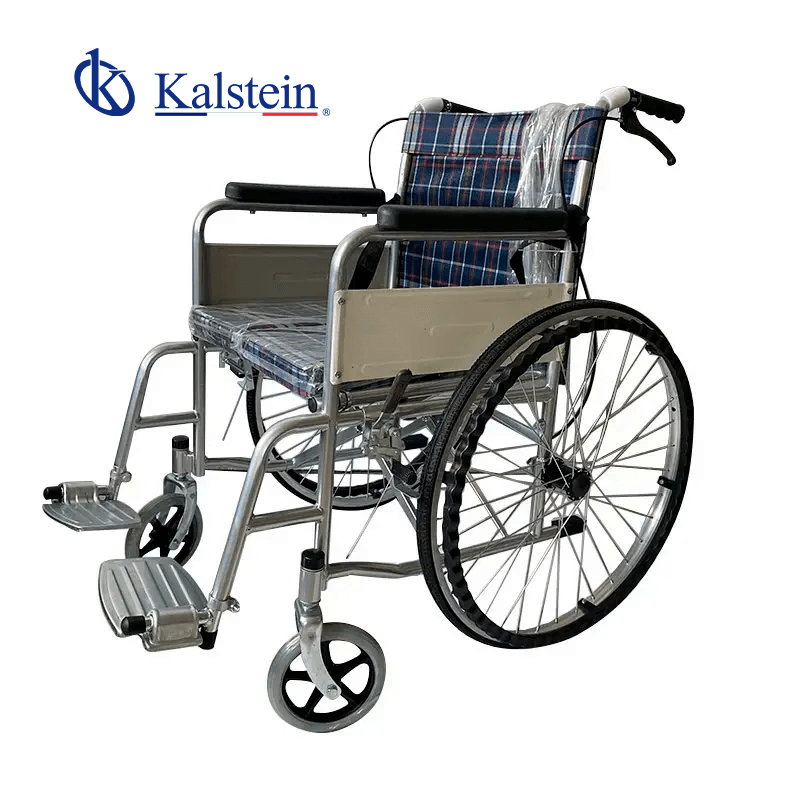
Hur man implementerar prediktivt underhåll och rekommenderad kalibrering för manuella rullstolar
I hälso- och sjukvårdssektorn är det avgörande att säkerställa tillförlitligheten och säkerheten hos manuella rullstolar. Prediktivt underhåll och periodisk kalibrering är viktiga metoder som förbättrar prestanda, minskar driftstopp och säkerställer efterlevnad av hälso-standarder. Denna artikel diskuterar vikten av dessa metoder och jämför flera populära modeller, vilket ger insikter för hälso- och sjukvårdspersonal.
Förståelse för prediktivt underhåll och kalibrering
Prediktivt underhåll avser tekniker som används för att förutsäga när utrustning kommer att gå sönder så att underhåll kan utföras i tid för att undvika haveri. För manuella rullstolar innebär detta att övervaka komponenter som hjul, ram och bromsar för att proaktivt åtgärda slitage. Kalibrering, å sin sida, innebär att justera utrustningen för att säkerställa korrekt prestanda enligt fördefinierade standarder. För manuella rullstolar kan detta innebära att ställa in korrekta hjuljusteringar, kontrollera bromsens respons och säkerställa rätt justeringar för användarkomfort.
Fördelar med prediktivt underhåll i manuella rullstolar
Implementering av prediktivt underhåll för manuella rullstolar erbjuder flera fördelar, inklusive förbättrad säkerhet för användare, minskade långsiktiga reparationskostnader och ökad rullstols livslängd. Genom att regelbundet övervaka tillståndet hos komponenter kan vårdgivare undvika incidenter som kan leda till fall eller skador, vilket skyddar användarnas välbefinnande. Dessutom minimerar denna proaktiva strategi driftstopp, vilket är avgörande inom hälso- och sjukvården där tillförlitlighet är viktigt.
Rekommenderade kalibreringsmetoder för manuella rullstolar
Periodisk kalibrering av manuella rullstolar bör involvera en systematisk metod, inklusive inspektion av ramens integritet, justering av sitsens höjd, säkerställande av att hjulen är korrekt justerade och kontroll av bromssystemet. Kalibrering bör följa ett schema baserat på användningsfrekvens, vanligtvis från kvartalsvis till halvårsvis, beroende på rullstolens tillämpning och användarkrav. Följande är viktiga överväganden:
- Raminspektion: Se till att det inte finns några sprickor eller deformiteter som äventyrar säkerheten.
- Hjuljustering: Korrekt justering är avgörande för manövrerbarhet och säkerhet.
- Bromsfunktionalitet: Regelbundna kontroller är viktiga för användarsäkerhet under användning.
Jämförelse av tillgängliga modeller
| Modell | Rammaterial | Vikt (kg) | Rekommenderad användning | Nyckelfunktioner |
|---|---|---|---|---|
| YR05450 | Stål | 14.5 | Inomhus/Ute | Fast armstöd, solida framhjul, PU-bakhjul |
| YR05451 | Krom | 11 | Inomhus | Portabel väska, pneumatiska bakhjul |
| YR05452 | Stål | 12 | Resa | Fällbar, lättviktig, andningsbar kudde |
| YR05453 | Krom | 12 | Ute | Högstyrka Oxford-kudde, solida bakdäck |
| YR05454 | Krom | 18.4 | Inomhus/Ute | Fast armstöd, portabel väska |
| YR05456 | Krom | 20 | Justerbar användning | Avtagbara armstöd, hydraulisk kontroll för ryggstödet |
Vanliga misstag och hur man undviker dem
När det gäller underhåll av manuella rullstolar kan flera vanliga misstag undergräva säkerhet och prestanda:
- Försummande av regelbundna inspektioner: Att inte genomföra regelbundna kontroller kan leda till oobserverat slitage och potentiella fel.
- Att ignorera användarfeedback: Användare märker ofta problem innan de blir kritiska. Att regelbundet söka deras input kan förbättra underhållsstrategier.
- Felhantering av kalibreringsscheman: Att etablera och följa ett tydligt kalibreringsschema är avgörande. Inkonsekvens kan leda till prestandaproblem.
Vanliga frågor
Vad är den rekommenderade kalibreringsfrekvensen för manuella rullstolar?
Det rekommenderas att kalibrera manuella rullstolar var 3-6 månad baserat på användningsintensitet. Regelbundna kontroller säkerställer optimal prestanda och användarsäkerhet.
Hur förbättrar prediktivt underhåll livslängden på manuella rullstolar?
Prediktivt underhåll hjälper till att identifiera potentiella problem innan de eskalerar, vilket leder till tidsenliga reparationer. Denna proaktiva metod förlänger avsevärt livslängden på modeller som YR05450 och YR05456.
Vilka är tecknen på att en manuell rullstol behöver underhåll?
Tecken inkluderar ovanliga ljud, svårigheter att styra eller ett komprometterat bromssystem. Tidsenlig intervention kan förhindra olyckor och förlänger rullstolens livslängd.
Vilken modell är bäst för utomhusbruk med prediktiva underhållsfunktioner?
Modellen YR05454 rekommenderas starkt för utomhusbruk, eftersom dess robusta design och pneumatiska hjul passar olika terränger samtidigt som den drar nytta av prediktiva underhållsstrategier.
Hur kan jag säkerställa att jag följer reglerna för manuella rullstolar?
Genom att regelbundet kalibrera och underhålla modeller som YR05451 enligt etablerade standarder säkerställs efterlevnad av hälsoregler, vilket ökar användarsäkerheten.
Vilka kostnadsimplikationer finns det av att försummma underhållet för manuella rullstolar?
Att försummma underhållet kan leda till högre reparationskostnader och ökad stilleståndstid. Att investera i regelbundna kontroller kan i slutändan spara pengar och säkerställa säkerhet.
Vilka funktioner bör jag prioritera i en manuell rullstol för prediktivt underhåll?
Prioritera modeller med starka ramverk, högkvalitativa hjul och lättjusterbara komponenter som YR05452, eftersom dessa förbättrar prestanda och underlättar enklare underhåll.
Hur påverkar vikten av en manuell rullstol dess underhåll?
Lättare modeller som YR05451 är enklare att hantera, vilket kan minska frekvensen av slitage och därmed påverka det övergripande underhållsbehovet positivt.
Om du letar efter en fusion av innovation och kvalitet har du kommit till rätt ställe. På Kalstein erbjuder vi dig lyxen att utforska vår exklusiva katalog av laboratorieutrustning. Vi tillverkar varje enhet enligt de högsta standarderna för excellens. Våra intuitiva och sömlösa onlineköpskanaler är utformade för din bekvämlighet, vilket säkerställer de mest konkurrenskraftiga priserna. Tveka inte längre — vi ger liv åt vetenskapen, det är dags att bli en del av vårt samhälle.