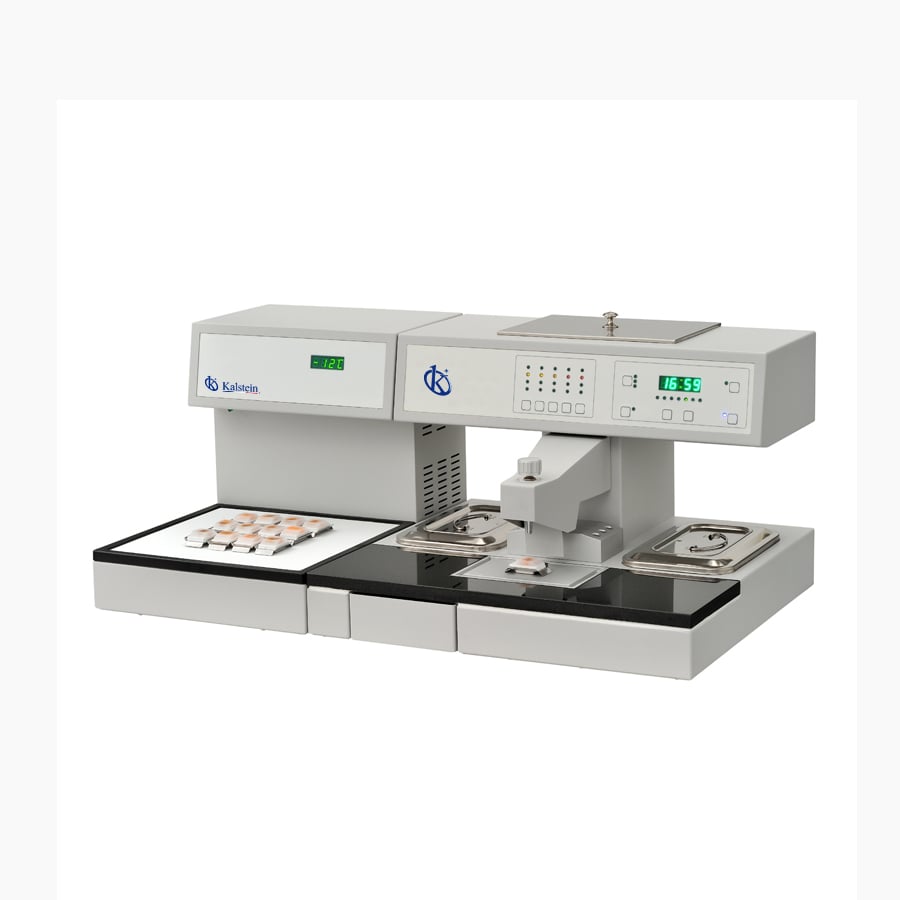
Tissue Embedding Systems: Common Errors and How to Avoid Them in Daily Operations 2026
What is it used for in 2026
Tissue embedding systems are essential tools in histology and pathology laboratories, used primarily for the preparation of tissue samples for microscopic examination. In 2026, these systems allow for precise control of temperature and paraffin flow, ensuring that samples are preserved in optimal conditions. Their applications extend to various laboratory workflows, including embedding, cooling, and storage of tissue samples. This enhances the quality of histological preparations, leading to more accurate diagnoses and research outcomes.
History and evolution of the technology
The technology behind tissue embedding systems has evolved significantly over the past few decades. Initially, manual embedding using simple devices was the norm, which required significant skill and time. However, with advancements in automation, modern systems have introduced programmable features that enhance efficiency. The incorporation of microprocessor-controlled heating elements and intuitive user interfaces signifies a major leap in making processes more user-friendly and reliable. Today’s models are designed for high-throughput laboratories, reflecting the growing demand for quick and accurate tissue processing.
How to use it step by step
Using a tissue embedding system involves several key steps:
- Prepare the tissue samples: Ensure that samples are properly fixed and dehydrated prior to embedding.
- Configure the system: Set the desired temperature and time settings according to the tissue type and embedding protocol.
- Fill the embedding mold: Pour paraffin into the mold and position the tissue sample appropriately.
- Cool the samples: Use the cooling function to solidify the paraffin around the tissue.
- Remove the samples: Once solidified, carefully remove the embedded tissue from the mold.
- Store the samples: Place the embedded blocks in a designated storage area for future sectioning.
Best techniques and protocols
To achieve optimal results when using tissue embedding systems, adhere to the following best practices:
- Always calibrate the system before use to ensure precise temperature control.
- Follow specific protocols for different tissue types to avoid damage during the embedding process.
- Utilize high-quality paraffin to improve tissue infiltration and morphology.
- Maintain a clean workspace to prevent contamination of samples.
- Document each step of the process for reproducibility and troubleshooting.
Practical applications by laboratory type
Tissue embedding systems find applications across various laboratory types:
- Clinical laboratories: Used for routine diagnostic procedures, ensuring quick turnaround times for patient samples.
- Research laboratories: Critical for experimental work requiring precise tissue analysis and histological studies.
- Pathology departments: Essential for preparing samples for surgical pathology and oncology diagnostics.
Regulations, standards and certifications
In 2026, laboratories using tissue embedding systems must comply with various regulations and standards to ensure safety and accuracy. This includes adherence to ISO standards for laboratory equipment, as well as compliance with local health and safety regulations. Regular audits and certifications from recognized bodies help ensure that equipment is well-maintained and meets quality benchmarks.
Comparison with alternative technologies
While tissue embedding systems are widely regarded as the gold standard for sample preparation, other technologies do exist. For example, cryo-embedding systems use rapid freezing techniques that may be advantageous for specific types of tissue analysis. However, these alternatives often require specialized training and may not provide the same level of detail as traditional embedding methods.
Comparison of available models
| Model | Best for | Key specs | Recommended use case |
|---|---|---|---|
| YR441 | High-volume labs requiring flexibility | Temperature range: 55 - 70℃, Paraffin chamber capacity: 3L | Routine embedding with programmable features |
| YR447 | Advanced processing needs | Temperature range: RT - 85℃, Paraffin chamber capacity: 4L | Research applications with high demand |
| YR439 | Standard embedding tasks | Temperature range: 55 - 70℃, Paraffin chamber capacity: 3L | General histology work |
| YR445 | Versatile embedding solutions | Temperature range: ambient - 85℃, Paraffin chamber capacity: 4L | Embedding for various tissue types |
| YR439-1 | Full automation for high throughput | Temperature range: TA - 85℃, Paraffin chamber capacity: ≥6L | Automated workflows in busy labs |
| YR440B | Sample preservation | Temperature range: 0 to -20℃ | Cooling biological samples before embedding |
Common mistakes and how to avoid them
Common errors in the operation of tissue embedding systems include:
- Improper temperature settings: Always verify that settings align with the tissue type to prevent sample damage.
- Inconsistent paraffin flow: Regularly maintain the paraffin dispensing system to prevent clogs and ensure smooth operation.
- Overloading the system: Avoid exceeding the recommended capacity to ensure proper heating and cooling.
Maintenance, calibration and good practices 2026
Regular maintenance and calibration are crucial for optimal performance. Laboratories should establish a routine maintenance schedule, including:
- Calibrating temperature sensors at least once every six months.
- Cleaning paraffin reservoirs and dispensing systems weekly.
- Inspecting electrical components for wear and tear.
Cost-benefit analysis 2026
When considering the purchase of a tissue embedding system, it is vital to perform a cost-benefit analysis. Factors to consider include:
- Initial purchase cost versus projected volume of samples processed.
- Long-term savings from reduced labor costs due to automation.
- Impact on diagnostic accuracy and research outcomes, which can lead to improved patient care and advanced scientific discovery.
Frequently asked questions
What should I consider when choosing a tissue embedding system?
Consider factors such as the volume of samples, the types of tissues commonly processed, automation features, and budget constraints when selecting a tissue embedding system.
How can I improve the quality of my tissue samples?
To enhance sample quality, ensure proper fixation, dehydration, and use high-quality paraffin. Additionally, adhere to established protocols for each tissue type.
What maintenance is required for a tissue embedding system?
Regular calibration, cleaning of paraffin reservoirs, and inspection of electrical components are essential maintenance tasks to ensure optimal performance of the system.
Are there alternative methods to tissue embedding?
Yes, there are alternative methods such as cryo-embedding, which uses rapid freezing techniques. However, these may come with specialized training requirements.
How can automation improve my laboratory workflow?
Automation can significantly speed up the embedding process, reduce human error, and ensure consistency in sample preparation, leading to more efficient laboratory workflows.
What safety regulations should I be aware of when using these systems?
Familiarize yourself with ISO standards for laboratory equipment and comply with local health and safety regulations to ensure safe operation.
Where can I request a quote for a tissue embedding system?
To request a quote, you can reach out to our sales team to discuss your specific needs and receive tailored options.
If you are looking for a fusion of innovation and quality, you have come to the right place. At Kalstein, we offer you the luxury of exploring our exclusive catalog of laboratory equipment. We manufacture every device to the highest standards of excellence. Our intuitive and seamless online purchasing channels are designed for your convenience, securing the most competitive prices. Hesitate no longer — we bring science to life, it is time to become part of our community.