Universal Power Supply: Common Mistakes and How to Avoid Them in Daily Operation 2026
What is it used for in 2026
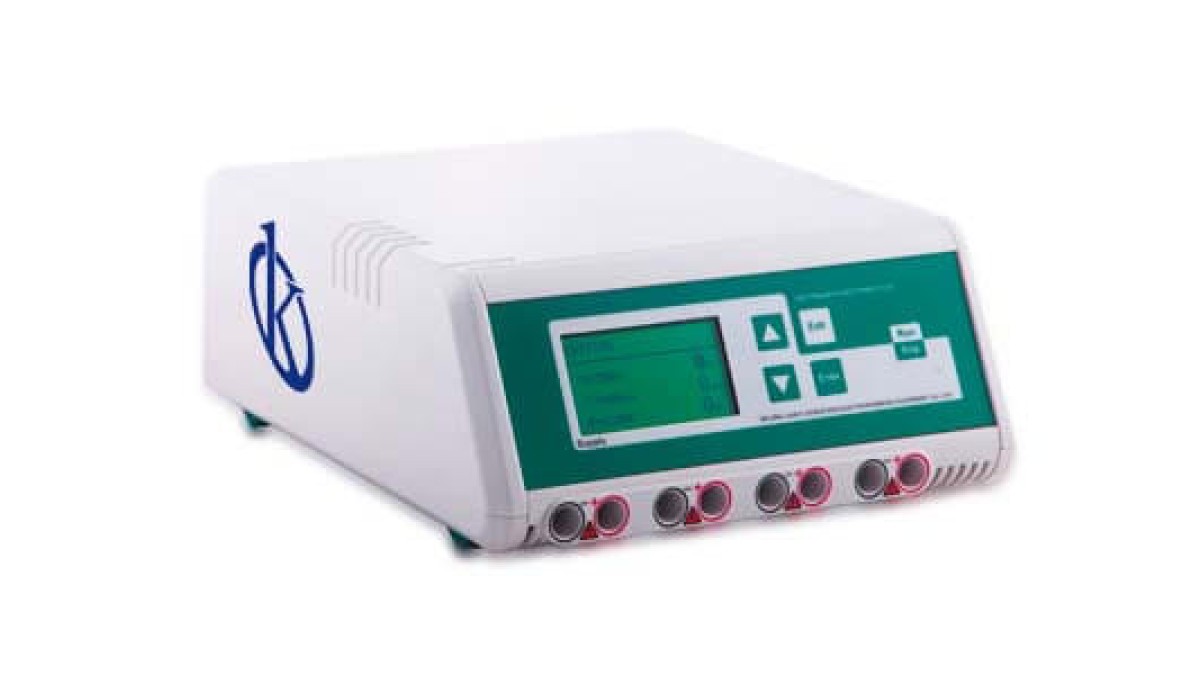
The Universal Power Supply is an essential tool in modern laboratories, providing reliable and adjustable power to various instruments and experiments. In 2026, its applications extend across multiple fields, including biological research, chemical analysis, and material testing. This versatile equipment supports experiments requiring specific voltage and current, allowing researchers to optimize their workflows and improve results.
History and evolution of the technology
The evolution of power supply technology has significantly impacted laboratory practices. Initially, power supplies were bulky and offered limited functionality. Over the years, advancements in microprocessor technology have enabled the development of compact and intelligent Universal Power Supplies. These innovations include touch controls, programmable settings, and memory functions that enhance user experience and expand the range of applications.
How to use it step by step
Using a Universal Power Supply involves several critical steps to ensure optimal performance:
- Familiarize with the equipment: Review the user manual to understand the features and capabilities of your specific model.
- Set up the device: Connect the power supply to a suitable power source and ensure all safety measures are in place.
- Configure output settings: Select the desired voltage, current, and power settings based on the requirements of your application.
- Connect the load: Safely attach the load to the output connectors, ensuring secure connections.
- Monitor performance: Use the LCD display to monitor real-time output and adjust settings as necessary during operation.
- Document parameters: Keep a log of the settings and performance for future reference and reproducibility.
Best techniques and protocols
To maximize the efficiency and reliability of your Universal Power Supply:
- Utilize programmable settings to automate repetitive tasks.
- Implement a systematic calibration schedule to maintain accuracy.
- Ensure proper ventilation to prevent overheating during prolonged use.
- Follow safety protocols to avoid electrical hazards.
Practical applications by laboratory type
Each laboratory type can benefit from the use of Universal Power Supplies:
- Biological Research: For electrophoresis and other molecular biology techniques.
- Chemical Analysis: Powering chromatography and spectrometry instruments.
- Material Testing: Supporting experiments in tensile strength and electrical conductivity.
Regulations, standards and certifications
Compliance with relevant regulations and standards is crucial when using laboratory equipment. In 2026, Universal Power Supplies should meet international safety standards such as IEC 61010 for electrical safety and ISO/IEC 17025 for testing and calibration laboratories. Always verify that your equipment is certified by recognized organizations.
Comparison with alternative technologies
While Universal Power Supplies are versatile, alternatives such as DC power sources and programmable power supplies exist. Unlike traditional power sources, Universal Power Supplies offer greater flexibility in output parameters and programmable functions, making them more suitable for complex laboratory operations.
Comparison of available models
| Model | Best for | Key specs | Recommended use case |
|---|---|---|---|
| YR03400-2 | High current applications | 10-600 V, 1-500 mA, 1-300 W | Ideal for electrophoresis in biological labs |
| YR03396-2 | General laboratory use | 5-300 V, 1-400 mA, 1-120 W | Suitable for various chemical analysis setups |
| YR03395-2 | High current applications | 5-200 V, 1-2000 mA, 1-200 W | Use in material testing for tensile strength |
| YR03397-2 | High power experiments | 5-300 V, 1-1500 mA, 1-450 W | Effective for high-demand applications |
| YR03398-2 | General laboratory use | 10-600 V, 1-500 mA, 1-300 W | Applicable in various molecular biology techniques |
| YR03399-2 | High versatility | 10-600 V, 1-500 mA, 1-300 W | Great for laboratories requiring flexibility in output |
Common mistakes and how to avoid them
Common mistakes when operating Universal Power Supplies include:
- Setting incorrect voltage or current: Always double-check the required parameters before starting an experiment.
- Neglecting calibration: Regular calibration prevents inaccuracies in output.
- Overloading the unit: Ensure the load does not exceed the specified limits to avoid damage.
Maintenance, calibration and good practices 2026
To ensure longevity and reliability, adopt the following maintenance practices:
- Perform routine inspections for wear and tear.
- Keep the unit clean and dust-free.
- Schedule regular calibration with qualified personnel to maintain compliance with standards.
Cost-benefit analysis 2026
Investing in a Universal Power Supply offers significant long-term benefits, including:
- Enhanced flexibility in experimental setups.
- Reduced need for multiple power supplies for different applications.
- Improved accuracy and reproducibility of results.
Frequently asked questions
What should I consider when choosing a Universal Power Supply?
When selecting a Universal Power Supply, consider output voltage and current ranges, programmability, ease of use, and safety features. Ensure that the model aligns with your laboratory's specific requirements.
How do I calibrate my Universal Power Supply?
Calibration should be performed according to the manufacturer's guidelines. Typically, it involves using calibrated reference equipment to measure output against set parameters and adjusting as necessary.
Can I use a Universal Power Supply for electrophoresis?
Yes, Universal Power Supplies are well-suited for electrophoresis applications. Ensure the model you choose has the appropriate voltage and current ranges for the specific electrophoresis techniques you will be using.
What are the safety precautions when using a Universal Power Supply?
Always follow safety guidelines, including wearing appropriate protective gear, ensuring proper grounding, and not exceeding the specified output limits. Regularly inspect the equipment for signs of damage.
How can I troubleshoot common issues with my Universal Power Supply?
For troubleshooting, check connections, verify output settings, and ensure no overload conditions exist. Refer to the user manual for specific troubleshooting steps related to your model.
What maintenance is required for Universal Power Supplies?
Regular maintenance should include cleaning the exterior, checking all connections, and performing routine calibration to ensure accuracy. Schedule professional servicing as needed to maintain optimal performance.
If you are looking for a fusion of innovation and quality, you have come to the right place. At Kalstein, we offer you the luxury of exploring our exclusive catalog of laboratory equipment. We manufacture every device to the highest standards of excellence. Our intuitive and seamless online purchasing channels are designed for your convenience, securing the most competitive prices. Hesitate no longer — we bring science to life, it is time to become part of our community.