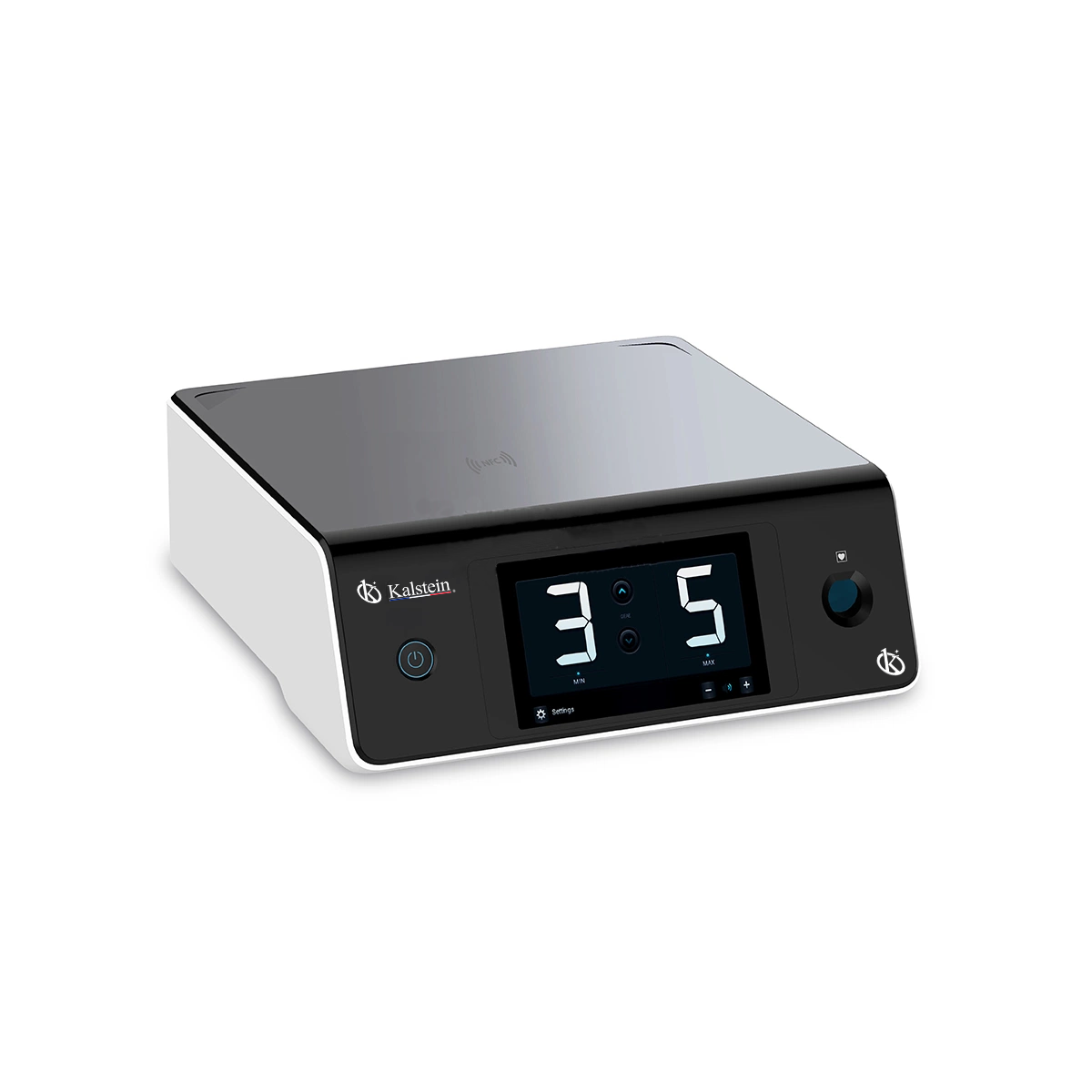
Veterinary Electrosurgical Units: Practical Applications and Techniques 2026
Veterinary Electrosurgical Units are essential tools in modern veterinary surgeries, enabling precise cutting and coagulation with minimal thermal damage to surrounding tissues. In 2026, these units are utilized in a variety of clinical laboratory and hospital settings, improving the efficacy and safety of surgical procedures. This article delves into the practical applications, historical evolution, usage guidelines, techniques, and best practices associated with these advanced surgical devices.
What is it used for in 2026
In 2026, Veterinary Electrosurgical Units are employed across numerous applications including general surgeries, orthopedic procedures, and specialized surgeries such as urology and gynecology. These devices are designed to provide precise cutting and controlled coagulation, facilitating a range of surgical procedures while minimizing blood loss and improving recovery times for animal patients.
History and evolution of the technology
The development of veterinary electrosurgical technology has evolved significantly over the years. Initial devices were rudimentary and primarily focused on basic cutting and coagulation functions. As technology advanced, modern units incorporated sophisticated features such as programmable settings, multi-function capabilities, and enhanced safety mechanisms. The integration of digital displays and touch controls has further simplified the user experience, making these units more accessible to veterinary professionals.
How to use it step by step
Using a Veterinary Electrosurgical Unit involves a series of systematic steps to ensure safety and efficacy:
- Preparation: Prepare the surgical site and ensure all equipment is sterile and functional.
- Device Setup: Connect the electrosurgical unit to the power supply and select the desired mode of operation (cutting or coagulation).
- Instrument Connection: Attach the appropriate surgical instruments to the unit, ensuring secure connections.
- Patient Positioning: Properly position the patient to access the surgical site effectively.
- Monitoring: Continuously monitor patient vitals throughout the procedure.
- Execution: Activate the unit and perform the necessary surgical actions according to the selected modes.
- Post-Procedure: Deactivate the unit, remove instruments, and perform necessary post-operative care.
Best techniques and protocols
To achieve optimal results with Veterinary Electrosurgical Units, adopting best techniques and protocols is crucial:
- Use the appropriate electrode: Selecting the right electrode based on the tissue type can significantly affect the outcome.
- Control the power settings: Adjusting the power settings according to the procedure ensures efficient cutting and coagulation.
- Maintain tissue contact: Ensuring proper contact with the tissue can enhance the effectiveness of the unit.
- Continuous monitoring: Vigilantly monitoring the surgical site helps prevent complications such as excessive smoke generation or tissue damage.
Practical applications by laboratory type
Veterinary Electrosurgical Units are utilized in various laboratory settings:
- General Veterinary Practices: Commonly used for routine surgeries such as spaying and neutering.
- Specialty Clinics: Employed for advanced surgical procedures in urology, orthopedics, and soft tissue surgeries.
- Emergency Animal Hospitals: Vital for urgent surgical interventions where rapid hemostasis is required.
Regulations, standards and certifications
The operation of Veterinary Electrosurgical Units is governed by strict regulations and standards to ensure safety and effectiveness. In 2026, compliance with ISO standards, FDA regulations, and local veterinary practice regulations is mandatory. Manufacturers are required to obtain necessary certifications for their devices, ensuring they meet safety and performance criteria.
Comparison with alternative technologies
When comparing Veterinary Electrosurgical Units to alternative surgical technologies such as laser surgery, the following differences are noted:
- Precision: Electrosurgical units offer precise control over cutting and coagulation compared to traditional scalpel techniques.
- Recovery Time: Minimally invasive techniques using these units often result in reduced recovery times compared to other methods.
- Cost: Electrosurgical devices tend to be more cost-effective than laser systems while providing comparable results.
Comparison of available models
| Model | Best for | Key specs | Recommended use case |
|---|---|---|---|
| YR06129 | Small vessel sealing | Output amplitude: 20um to 100um, Max output current: 380 mA | Ideal for surgeries requiring precise hemostasis of small blood vessels. |
| YR06130 | General surgery | Max output power: 35W, Multi-functional | Suitable for various surgical procedures including hemostasis and cutting. |
| YR06131 | Laparoscopic and open procedures | Max power: 300W, Automatic start/stop | Effective for surgeries requiring uniform sealing of larger vessels. |
| YR06132 | Cutting and coagulation | Modes: Pure, Mixed, Coagulation, Bipolar | Versatile unit applicable for a range of tissue types. |
| YR06133 | Veterinary laser procedures | Wavelength: 810nm/980nm, Power: 15W | Best for soft tissue surgeries requiring minimal damage. |
| YR06134 | Advanced laser applications | Dual wavelength: 810nm+980nm, 15W output | Perfect for delicate surgeries needing precision and control. |
Common mistakes and how to avoid them
Understanding common pitfalls with Veterinary Electrosurgical Units can help improve surgical outcomes:
- Inadequate Preparation: Always ensure that the unit is fully set up and tested before starting the procedure.
- Ignoring Manufacturer Guidelines: Follow the operating manual to avoid misuse and maintain safety standards.
- Improper Instrument Handling: Familiarize yourself with the instruments and their correct usage to prevent damage or complications.
Maintenance, calibration and good practices 2026
Regular maintenance and calibration of Veterinary Electrosurgical Units are vital for optimal performance:
- Routine Inspection: Conduct regular checks on all equipment components to ensure functionality.
- Calibration: Follow manufacturer recommendations for calibration intervals to maintain accuracy and reliability.
- Cleaning: Ensure proper cleaning and sterilization of all surgical instruments post-use to prevent cross-contamination.
Cost-benefit analysis 2026
In 2026, the cost-benefit analysis of investing in Veterinary Electrosurgical Units shows significant advantages:
- Efficiency: Reduced operation time leads to lower anesthesia costs and quicker patient recovery.
- Versatility: Multi-functional units can perform various procedures, minimizing the need for multiple devices.
- Long-term Savings: Investing in high-quality units reduces maintenance costs and increases longevity.
Frequently asked questions
What factors should I consider when choosing a Veterinary Electrosurgical Unit?
Consider the types of procedures you will perform, the size of your practice, and the budget available for purchasing the unit. Additionally, look for features like power settings, versatility, and ease of use.
How often should I maintain my Veterinary Electrosurgical Unit?
Regular maintenance should be conducted according to the manufacturer's guidelines, typically every 6-12 months, or as needed based on usage frequency.
What training is required for my staff to use these units safely?
Staff should receive comprehensive training on the device's operation, safety protocols, and troubleshooting procedures to ensure safe and effective use.
Can I use a Veterinary Electrosurgical Unit for all types of surgical procedures?
While these units are versatile and can be used for many procedures, specific guidelines should be followed to ensure their appropriateness for each type of surgery.
How do I know when to replace my unit?
Signs that it may be time to replace your unit include frequent malfunctions, inability to meet the demands of surgical procedures, or if it no longer complies with current safety regulations.
What are the advantages of using electrosurgical units over traditional methods?
Electrosurgical units provide greater precision, reduced bleeding, and faster recovery times compared to traditional surgical methods such as scalpels.
Where can I request a quote for purchasing a Veterinary Electrosurgical Unit?
You can request a quote on Kalstein Plus, where we provide a range of options tailored to your needs.
If you are looking for a fusion of innovation and quality, you have come to the right place. At Kalstein, we offer you the luxury of exploring our exclusive catalog of laboratory equipment. We manufacture every device to the highest standards of excellence. Our intuitive and seamless online purchasing channels are designed for your convenience, securing the most competitive prices. Hesitate no longer — we bring science to life, it is time to become part of our community.