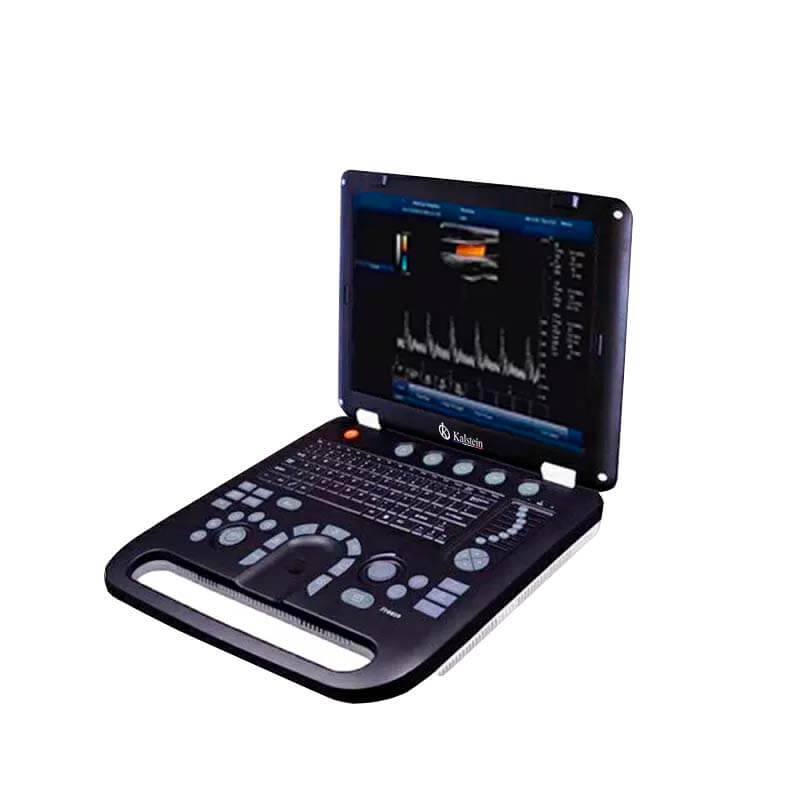
Ultrasonic Color Doppler Diagnostic Systems: Applications in Research, Biotechnology, and Academia 2026
What is it used for in 2026
Ultrasonic Color Doppler Diagnostic Systems are widely used in various fields, including medicine, research, and biotechnology, to visualize blood flow and assist in diagnosing conditions related to the cardiovascular system, obstetrics, urology, and more. In 2026, these systems provide real-time imaging capabilities that enhance diagnostic accuracy and patient care.
History and evolution of the technology
The technology behind Ultrasonic Color Doppler Diagnostic Systems has evolved significantly since its inception. Initially, ultrasound was primarily used for imaging static structures within the body. The introduction of Doppler technology allowed for the assessment of blood flow dynamics, providing clinicians with critical information regarding cardiovascular health and other physiological processes.
How to use it step by step
- Set up the ultrasound machine and connect it to the appropriate power source.
- Attach the transducer to the machine and apply the necessary ultrasound gel to facilitate sound wave transmission.
- Select the appropriate imaging mode based on the diagnostic requirement (e.g., B-mode, Doppler mode).
- Position the transducer on the area of interest and begin scanning.
- Analyze the images and Doppler waveforms displayed on the screen to interpret blood flow characteristics.
- Document findings and produce reports as required.
Best techniques and protocols
Utilizing Ultrasonic Color Doppler Diagnostic Systems effectively requires adherence to best practices, including proper patient positioning, using the right frequency transducer, and understanding the Doppler principles. Additionally, protocols for image acquisition and interpretation should be standardized to ensure consistency and accuracy.
Practical applications by laboratory type
In clinical laboratories, these systems are used for cardiac assessments, vascular studies, and obstetric imaging. In research laboratories, Ultrasonic Color Doppler Diagnostic Systems can be employed to study hemodynamics in various animal models and contribute to advancements in drug development and therapeutic interventions.
Regulations, standards and certifications
Ultrasonic Color Doppler Diagnostic Systems must comply with international standards such as ISO 13485 for medical devices and specific regulatory guidelines set by entities like FDA or CE marking in Europe. Regular audits and certifications ensure the devices meet safety and efficacy requirements.
Comparison with alternative technologies
Compared to traditional imaging modalities such as MRI or CT scans, Ultrasonic Color Doppler Diagnostic Systems offer real-time imaging capabilities and are non-invasive. They are particularly beneficial for evaluating blood flow without the associated radiation exposure inherent in other imaging techniques.
Comparison of available models
| Model | Best for | Key specs | Recommended use case |
|---|---|---|---|
| YR05148 | General diagnostics with convex probe capabilities | 15' LED screen, Dual color, PW duplex | Routine examinations in obstetrics and internal medicine |
| YR05149 | Mobility and convenience for varying settings | 15' LED screen, 4 transducer ports | Use in emergency rooms or mobile clinics |
| YR05150 | Portability in diverse clinical environments | 15' color screen, built-in battery | Extended use in outpatient settings |
| YR05151 | High-quality imaging | 15' screen, multiple ports | Comprehensive diagnostic analysis |
| YR05152 | Heart tests and pregnancy monitoring | 15' LED screen, 4D imaging | Routine prenatal care |
| YR05153 | Versatile applications across disciplines | 15' screen, supports Windows systems | Research applications and general diagnostics |
Common mistakes and how to avoid them
Common mistakes in using Ultrasonic Color Doppler Diagnostic Systems include inadequate patient preparation, incorrect transducer selection, and improper angle adjustments during imaging. To avoid these issues, thorough training, adherence to protocols, and regular calibration of equipment are essential.
Maintenance, calibration and good practices 2026
Routine maintenance of Ultrasonic Color Doppler Diagnostic Systems involves regular cleaning of transducers, ensuring software updates are current, and performing bi-annual calibration checks. Following manufacturer guidelines for maintenance ensures longevity and optimal performance of the equipment.
Cost-benefit analysis 2026
Investing in Ultrasonic Color Doppler Diagnostic Systems offers significant benefits in terms of enhanced diagnostic capabilities and patient outcomes. Despite initial costs, the reduction in misdiagnoses and improved operational efficiency can lead to substantial long-term savings for healthcare facilities.
Frequently asked questions
What considerations should I have when choosing an Ultrasonic Color Doppler system?
When selecting an Ultrasonic Color Doppler system, consider factors such as portability, imaging capabilities, ease of use, available transducer options, and compliance with regulatory standards. It's also essential to evaluate the specific applications you intend to perform.
How can I ensure optimal imaging results?
To achieve optimal imaging results, ensure proper patient positioning, choose the correct frequency transducer for the examination, and apply adequate ultrasound gel. Familiarity with Doppler principles and practice in adjusting the settings appropriately will also improve imaging quality.
What are the best practices for maintaining the equipment?
Best practices for maintaining Ultrasonic Color Doppler systems include regularly cleaning the transducers, checking for software updates, calibrating the device according to the manufacturer’s guidelines, and conducting thorough inspections for any signs of damage.
Can these systems be used for pediatric patients?
Yes, Ultrasonic Color Doppler systems are versatile and can be effectively used for pediatric patients. Adjustments to transducer selection and imaging settings may be necessary to accommodate the unique anatomical considerations of children.
What training is required to operate these systems effectively?
Training for operating Ultrasonic Color Doppler systems typically includes understanding ultrasound physics, mastering imaging techniques, and hands-on practice with the equipment. Many manufacturers provide specific training sessions and resources to help end-users become proficient.
Are there any specific certifications required for operators?
While specific certifications may vary by region, it is often beneficial for operators to obtain certifications in ultrasound technologies, such as those offered by ARDMS (American Registry for Diagnostic Medical Sonography) or similar organizations, to demonstrate competency.
How can I get a quote for an Ultrasonic Color Doppler system?
To receive a personalized quote for an Ultrasonic Color Doppler system, please reach out through our contact channels, and our sales team will assist you with your inquiry.
If you are looking for a fusion of innovation and quality, you have come to the right place. At Kalstein, we offer you the luxury of exploring our exclusive catalog of laboratory equipment. We manufacture every device to the highest standards of excellence. Our intuitive and seamless online purchasing channels are designed for your convenience, securing the most competitive prices. Hesitate no longer — we bring science to life, it is time to become part of our community.