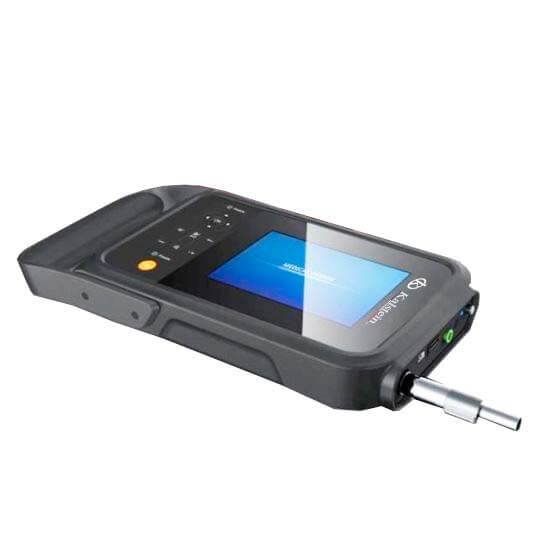
Ultrasonic Diagnostic Equipment: Practical Applications and Techniques 2026
Ultrasonic diagnostic equipment plays a vital role in various laboratory settings, offering essential capabilities for imaging and diagnostic purposes. As technology evolves, the applications and methodologies involved in utilizing these devices also become more sophisticated. This guide explores how to navigate the complexities of ultrasonic diagnostic equipment, particularly focusing on step-by-step usage, best practices, and practical applications.
What is it used for in 2026
In 2026, ultrasonic diagnostic equipment is primarily utilized in medical and veterinary fields, facilitating non-invasive imaging techniques that assist in diagnosing a wide range of conditions. This technology allows healthcare professionals to visualize internal structures, monitor the development of embryos, and assess organ health through real-time imaging. Its portability and user-friendly design make it suitable for various settings, including clinics, hospitals, and fieldwork in veterinary practices.
History and evolution of the technology
The journey of ultrasonic diagnostic equipment traces back to the early 20th century when the foundations of ultrasound technology were laid. Initially used in industrial applications, the technology made a pivotal shift to medical diagnostics in the 1950s with the advent of the first ultrasound machines. Over decades, advancements in computer technology and imaging software have led to the development of portable devices with enhanced image clarity and user interfaces. Today, the integration of 3D and 4D imaging capabilities marks the latest evolution, providing more detailed and dynamic visualizations for practitioners.
How to use it step by step
Using ultrasonic diagnostic equipment effectively involves a systematic approach:
- Familiarize with the Device: Understand the features and controls of the ultrasound machine, including settings for image capture, measurement tools, and software functionalities.
- Prepare the Patient or Subject: Ensure the subject is positioned comfortably and appropriately for the procedure. Apply ultrasonic gel to enhance image quality.
- Select the Appropriate Probe: Choose a probe based on the examination type—linear or convex probes are suitable for different imaging needs.
- Adjust Settings: Set the machine parameters based on the specific requirements of the examination, such as depth, gain, and frequency.
- Capture Images: Begin the imaging process, moving the probe in a systematic manner to capture all necessary views.
- Analyze and Save: Review the captured images for clarity and accuracy, then save the relevant images and data for further analysis.
- Document Findings: Prepare a report summarizing the findings from the examination for the medical record.
Best techniques and protocols
To maximize the efficacy of ultrasonic diagnostic equipment, consider implementing the following techniques:
- Optimize Image Quality: Regularly calibrate equipment and practice adjusting settings based on the subject’s anatomy and the clinical question at hand.
- Utilize Doppler Imaging: Implement Doppler techniques to assess blood flow and heart function, particularly in cardiology and vascular studies.
- Maintain Equipment: Conduct routine maintenance checks and ensure the cleanliness of probes to prevent cross-contamination and maintain imaging quality.
- Engage in Continuous Education: Stay updated with the latest advancements in ultrasound technology and imaging protocols to improve diagnostic accuracy.
Practical applications by laboratory type
Ultrasonic diagnostic equipment finds diverse applications across various laboratory settings:
- Medical Laboratories: Used for obstetric imaging, organ assessments, and guiding interventional procedures.
- Veterinary Clinics: Essential for reproductive health examinations and diagnosing animal health conditions.
- Research Laboratories: Employed in studies requiring non-invasive imaging methodologies to explore physiological processes.
Regulations, standards and certifications
Compliance with regulations and standards is critical in the use of ultrasonic diagnostic equipment. In 2026, the following considerations are paramount:
- Device Certification: Ensure that the equipment meets the required safety and efficacy standards set by relevant health authorities.
- Training and Certification: Operators should undergo training to become certified in ultrasound imaging to ensure the highest quality of care.
- Quality Control Protocols: Implement regular quality control checks to guarantee the performance and reliability of the imaging equipment.
Comparison with alternative technologies
Ultrasonic diagnostic equipment is often compared with other imaging modalities, such as X-ray, MRI, and CT scans. While each technology has its unique benefits, ultrasonic imaging offers advantages like:
- Safety: Non-ionizing radiation makes it safer for both patients and operators.
- Cost-Effectiveness: Generally lower operational costs compared to MRI and CT scans.
- Portability: Easy to transport and use in various settings, enhancing accessibility to imaging services.
Comparison of available models
| Model | Best for | Key specs | Recommended use case |
|---|---|---|---|
| YR05146 | Veterinary Imaging | Weight: 0.5 kg, 7.0' LCD, 1024 image storage | Portable diagnostics for veterinary applications |
| YR05147 | Obstetric Imaging | 15-inch LED monitor, 3D software | Used in obstetrics and gynecology for enhanced imaging |
| YR05154 | General Diagnostics | Convex probe and ultrasound software | Basic diagnostics across various applications |
| YR05154-1 | Tablet-Based Imaging | Includes SUN-P1 and tablet | Convenient for on-the-go diagnostics |
| YR05155 | General Imaging | Linear probe and ultrasound software | Ideal for musculoskeletal imaging |
| YR05155-1 | Tablet Imaging | Includes SUN-P2 and tablet | Portable solution for various diagnostic needs |
Common mistakes and how to avoid them
Several common pitfalls can occur when utilizing ultrasonic diagnostic equipment. Here are some mistakes to watch out for:
- Inadequate Preparation: Failing to prepare the subject correctly can lead to poor image quality. Ensure proper positioning and use of gel.
- Incorrect Probe Selection: Choosing the wrong probe type can result in suboptimal imaging. Understand the specific requirements of each examination.
- Poor Maintenance: Neglecting regular maintenance can compromise the equipment's performance. Develop a routine maintenance schedule.
Maintenance, calibration and good practices 2026
To maintain ultrasonic diagnostic equipment in optimal condition, follow these guidelines:
- Regular Calibration: Schedule calibration checks at recommended intervals to ensure accuracy and reliability.
- Cleaning Procedures: Implement strict cleaning protocols for probes and surfaces to prevent contamination.
- Training for Users: Continuously train operators to keep them informed on best practices and updates in technology.
Cost-benefit analysis 2026
Investing in ultrasonic diagnostic equipment can yield significant returns in a healthcare setting:
- Lower Operational Costs: Compared to other imaging technologies, ultrasound machines often have lower costs for maintenance and operation.
- Increased Patient Throughput: The portable nature of these devices allows for quicker assessments, enhancing patient flow through facilities.
- Improved Diagnostic Capabilities: The ability to capture real-time images can improve diagnostic accuracy and patient outcomes.
Frequently asked questions
What should I consider when choosing an ultrasonic diagnostic device?
When selecting a device, consider its portability, image quality, software capabilities, and specific applications within your practice to ensure it meets your diagnostic needs.
How do I ensure the best image quality during an ultrasound?
To optimize image quality, ensure proper patient preparation, choose the right probe, adjust settings according to the subject's anatomy, and regularly maintain and calibrate the equipment.
What are the benefits of using ultrasound in veterinary practices?
Ultrasound offers non-invasive imaging, allows for real-time diagnostics, and is portable, making it an excellent choice for veterinary practices, especially in field conditions.
Can ultrasonic diagnostic equipment be used for different types of examinations?
Yes, different models can cater to various examinations, including obstetrics, cardiology, and musculoskeletal assessments, depending on the chosen probes and software capabilities.
How often should ultrasonic equipment be maintained?
Regular maintenance should include daily cleaning, weekly checks for functionality, and annual calibration services to ensure the equipment operates optimally.
What are the latest advancements in ultrasonic diagnostic technology?
Recent advancements include improved image resolution, integration with 3D/4D imaging capabilities, and enhanced software for better user interfaces and analytical tools.
Where can I request a quote for ultrasonic diagnostic equipment?
To request a quote tailored to your laboratory's needs, we invite you to reach out and explore the options available to you.
If you are looking for a fusion of innovation and quality, you have come to the right place. At Kalstein, we offer you the luxury of exploring our exclusive catalog of laboratory equipment. We manufacture every device to the highest standards of excellence. Our intuitive and seamless online purchasing channels are designed for your convenience, securing the most competitive prices. Hesitate no longer — we bring science to life, it is time to become part of our community.