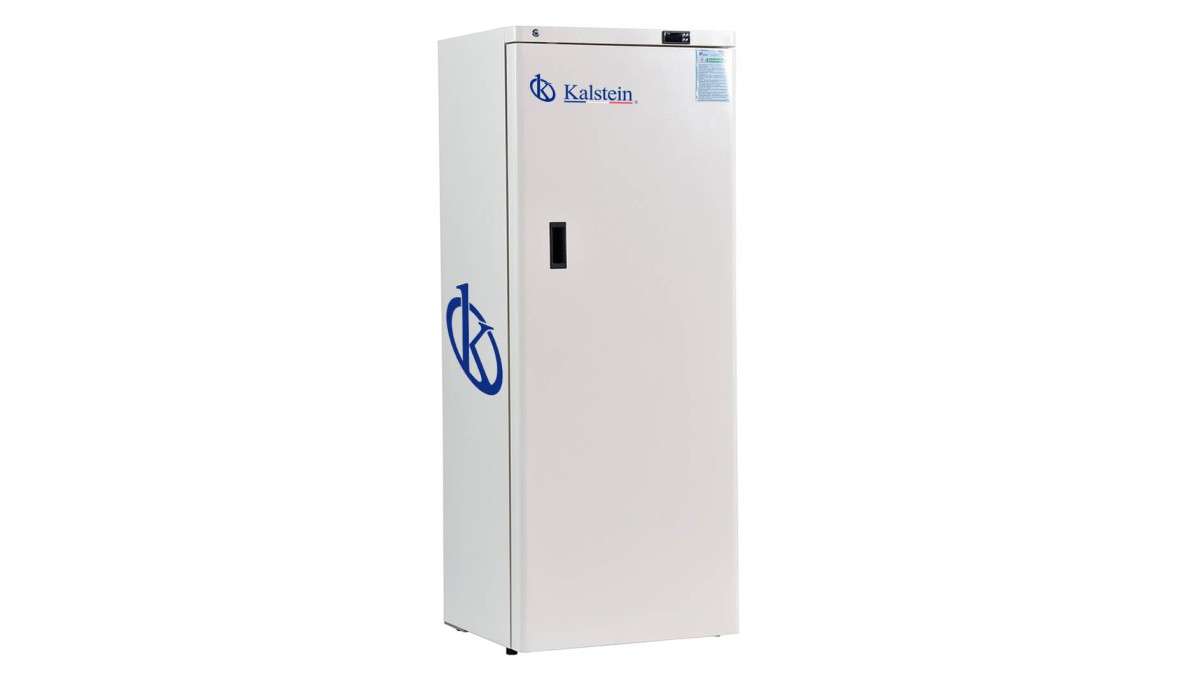
Upright Freezers: Practical Applications and Techniques 2026
What is it used for in 2026
Upright freezers are crucial for laboratories, biotechnology sectors, and academic facilities in 2026, primarily used for the storage of biological samples, vaccines, and various temperature-sensitive materials. Their primary function is maintaining low temperatures to preserve the integrity of samples, which may include pathogens like viruses and bacteria, blood components such as red and white cells, and other biological tissues. The strategic use of upright freezers helps ensure that these materials remain viable for research and clinical applications, significantly influencing outcomes in studies and experiments.
History and evolution of the technology
The technology behind upright freezers has evolved significantly since their inception. In the early days, freezers used mechanical cooling methods, which were less efficient and more prone to fluctuations in temperature. With advancements in materials and cooling technologies, modern upright freezers utilize microprocessor controls and environmentally friendly refrigerants that provide precise temperature management and stability. The introduction of digital displays and alarm systems has enhanced their functionality, allowing users to monitor conditions effectively and respond to any anomalies promptly.
How to use it step by step
Using an upright freezer effectively involves several steps:
- Setup: Place the freezer in a suitable location, ensuring there is adequate ventilation and access to power.
- Initial Configuration: Set the desired temperature using the control panel, typically ranging from -10°C to -86°C, depending on the model.
- Loading Samples: Organize samples in labeled containers or racks, ensuring adequate spacing for air circulation.
- Monitoring: Regularly check the digital display for temperature readings and alarm indicators. Respond to any alerts immediately.
- Maintenance: Perform routine checks and maintenance as per the manufacturer’s guidelines to ensure optimal performance.
Best techniques and protocols
Implementing best practices when using upright freezers includes:
- Regular calibration of temperature settings to maintain accuracy.
- Utilizing backup systems or secondary freezers for critical samples.
- Maintaining a detailed inventory of samples for easy tracking and management.
- Establishing a regular maintenance schedule to inspect seals, gaskets, and the overall performance of the freezer.
- Training personnel on protocols for loading and retrieving samples safely to minimize temperature fluctuations.
Practical applications by laboratory type
Upright freezers serve a variety of applications across different laboratory types:
- Clinical Laboratories: Storing blood samples, vaccines, and diagnostic materials.
- Research Laboratories: Preserving biological specimens for experimentation and analysis.
- Pharmaceutical Industries: Maintaining drug compounds and biological agents at stable temperatures.
- Biotechnology Firms: Storing genetically modified organisms and cellular cultures under controlled conditions.
Regulations, standards and certifications
Compliance with regulatory standards is essential when using upright freezers. Laboratories must adhere to guidelines set by organizations such as the FDA, EPA, and ISO for the safe storage and handling of biological materials. Proper documentation and certification of equipment can facilitate compliance during inspections and audits. Facilities should regularly review their practices to ensure alignment with evolving regulations and standards.
Comparison with alternative technologies
While upright freezers are widely used, alternative technologies exist, including chest freezers and cryogenic storage systems. Chest freezers may offer greater capacity but can require more space and limited access. Cryogenic systems provide ultra-low temperature storage but often involve higher costs and complexity. Thus, the choice of storage technology depends on specific needs, including required temperature ranges, space availability, and budget considerations.
Comparison of available models
| Model | Best for | Key specs | Recommended use case |
|---|---|---|---|
| YR05097 | General sample storage | Temperature: -10C ~ -25C, Energy consumption: 1.5 kWh/23h | Storing various lab samples at moderate temperatures |
| YR05297 | Ultra low-temperature preservation | Temperature: -40C ~ -86C, Energy consumption: 12.8 kWh/24h | Long-term storage of biological materials |
| YR05296 | Biomedical applications | Temperature: -40C ~ -86C, Energy consumption: 11.2 kWh/24h | Storage for critical biological specimens |
| YR05295 | Large sample storage | Temperature: -10C ~ -25C, Capacity: 936L | Ideal for hospitals and large research facilities |
| YR05294 | Storage of vaccines | Temperature: -10C ~ -25C, Capacity: 328L | Clinics and research labs storing sensitive materials |
| YR05293 | Biomedical storage | Temperature: -10C ~ -25C, Capacity: 268L | Used in hospitals for biological material |
Common mistakes and how to avoid them
Some common mistakes in using upright freezers include:
- Overloading: Avoid overpacking, which can impede airflow and affect temperature uniformity.
- Neglecting maintenance: Regularly schedule maintenance checks and keep the unit clean.
- Ignoring alarms: Always respond promptly to alarm signals to prevent loss of samples.
- Poor labeling: Ensure samples are clearly labeled to avoid misplacement.
Maintenance, calibration and good practices 2026
Maintaining upright freezers in 2026 requires a systematic approach:
- Perform routine calibration of temperature settings.
- Clean the interior and exterior surfaces regularly.
- Inspect seals and gaskets for wear and replace as needed.
- Keep a log of temperature readings and maintenance activities.
- Train staff on best practices for loading and unloading samples.
Cost-benefit analysis 2026
Investing in upright freezers can yield significant benefits for laboratories. While the initial cost may be high, the preservation of sensitive materials can prevent costly damage and loss, ultimately leading to a positive return on investment. Energy-efficient models contribute to lower operational costs, and their reliability can enhance productivity by minimizing interruptions in laboratory workflows.
Frequently asked questions
What is the ideal temperature for storing biological samples?
The ideal temperature varies by sample type, but generally, a range of -10°C to -86°C is used for different biological materials depending on their sensitivity.
How often should I calibrate my upright freezer?
Calibration should be performed at least biannually or whenever there is a significant temperature deviation detected.
What are the signs that my freezer needs maintenance?
Common signs include temperature fluctuations, failure of alarm systems, and physical damage to the freezer unit.
Can I store vaccines in any upright freezer?
No, vaccines require specific temperature conditions, and it is important to use models designed for that purpose to maintain efficacy.
How can I improve the energy efficiency of my upright freezer?
Regular maintenance, proper organization of samples to facilitate airflow, and minimizing door openings can improve energy efficiency.
What should I do if my freezer alarm goes off?
Immediately check the internal temperature and inspect for any issues. Follow the manufacturer’s instructions for troubleshooting and ensure sample integrity.
Where can I request a quote for an upright freezer?
You can request a quote by contacting our sales team, who will assist you in finding the right model for your laboratory needs.
If you are looking for a fusion of innovation and quality, you have come to the right place. At Kalstein, we offer you the luxury of exploring our exclusive catalog of laboratory equipment. We manufacture every device to the highest standards of excellence. Our intuitive and seamless online purchasing channels are designed for your convenience, securing the most competitive prices. Hesitate no longer — we bring science to life, it is time to become part of our community.