Vacuum Ovens: Practical Applications and Techniques 2026
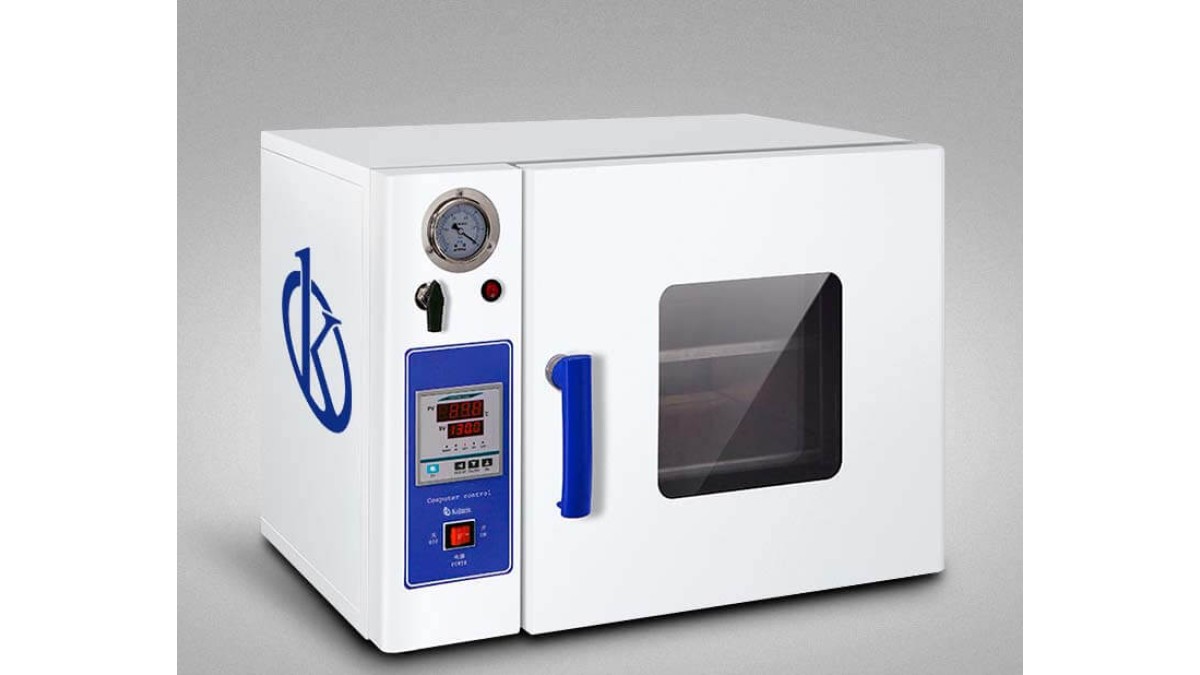
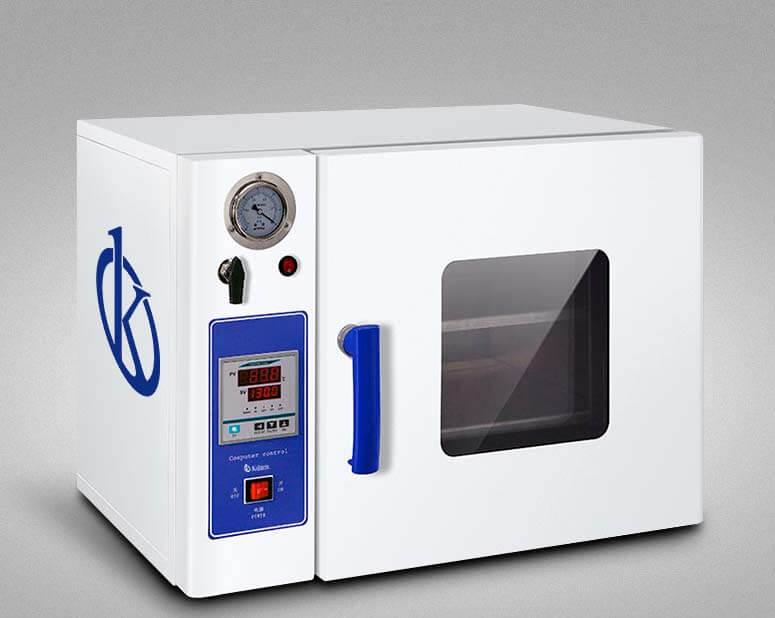
Vacuum ovens are essential tools in various laboratory settings, particularly in fields such as biochemistry, pharmaceuticals, and environmental research. The ability to dry sensitive materials without exposing them to excessive heat makes vacuum ovens vital for many applications. As we look into 2026, understanding the best practices, techniques, and protocols surrounding vacuum ovens is critical for laboratory professionals.
What is it used for in 2026
In 2026, vacuum ovens are primarily used for drying, sterilizing, and decontaminating materials that are sensitive to heat and oxidation. These ovens create a controlled environment where air pressure is reduced, allowing for lower temperature drying, which prevents the degradation of heat-sensitive substances. Common applications include:
- Drying of heat-sensitive powders and samples
- Sterilization of laboratory glassware
- Dehydration of biological samples
- Desorption and outgassing of materials
History and evolution of the technology
The concept of vacuum drying dates back to the early 20th century when the need for preserving heat-sensitive materials emerged. The development of vacuum technology evolved through advancements in mechanical pumps, controls, and insulation techniques. Early vacuum ovens were rudimentary and often inefficient. However, with the introduction of digital controls and better materials, modern vacuum ovens today offer precise temperature control, improved vacuum levels, and enhanced energy efficiency. Continuous improvements in technology have expanded their applications beyond simple drying to include sterilization and material processing.
How to use it step by step
Using a vacuum oven requires several steps to ensure optimal performance and results:
- Preparation of materials: Ensure all materials are clean and appropriate for vacuum drying.
- Loading the oven: Place the items on the oven shelves, ensuring even spacing for airflow.
- Setting parameters: Power on the oven, set the desired temperature, and select the vacuum level.
- Initiating the cycle: Start the oven cycle, monitoring the process regularly.
- Cooling: Once the cycle is complete, allow the vacuum oven to return to atmospheric pressure before opening.
- Inspection: Check the samples for desired dryness and quality.
Best techniques and protocols
To maximize the efficiency of vacuum ovens, the following techniques and protocols are recommended:
- Utilize preheating when necessary to accelerate the drying process.
- Regularly calibrate temperature and vacuum sensors to maintain accuracy.
- Use desiccants or drying agents in conjunction with vacuum drying for enhanced results.
- Develop standard operating procedures (SOPs) for consistent usage across different laboratory personnel.
Practical applications by laboratory type
Different types of laboratories utilize vacuum ovens in various ways:
- Pharmaceutical labs: For drying active pharmaceutical ingredients without degrading their properties.
- Biological research labs: Drying biological samples while maintaining viability.
- Environmental labs: Analyzing soil and water samples by removing moisture without altering their chemical properties.
- Material science labs: Testing new materials, coatings, and thin films in controlled environments.
Regulations, standards and certifications
In 2026, vacuum ovens are subject to various regulations and standards to ensure safety and performance. These may include:
- ISO certifications for manufacturing quality
- ASTM standards for performance testing
- FDA guidelines for use in pharmaceutical applications
Compliance with these standards ensures that vacuum ovens meet necessary safety and functional requirements.
Comparison with alternative technologies
While vacuum ovens are highly effective, alternative technologies also exist, such as freeze-drying and conventional ovens. Each has its advantages and disadvantages:
- Freeze-drying: Suitable for preserving biological samples but often more expensive and time-consuming.
- Conventional ovens: Less expensive but can damage heat-sensitive materials due to high temperatures.
Choosing the right technology depends on the specific requirements and materials being processed.
Comparison of available models
| Model | Best for | Key specs | Recommended use case |
|---|---|---|---|
| YR05260-A | Drying heat-sensitive materials | Temperature range: RT + 5 to 250°C, Power: 0.9kW | Optimal for pharmaceuticals and biological samples |
| YR05261-A | Sensitive materials requiring precise drying | Temperature range: RT + 5 to 250°C, Power: 0.9kW | Ideal for environmental testing |
| YR05262-SS | General laboratory use | Temperature range: RT + 5 to 250°C, Power: 1.4kW | Standard applications across various lab types |
| YR05263-SS | Rapid drying of samples | Temperature range: RT + 5 to 250°C, Power: 1.4kW | Suitable for applications needing quick turnarounds |
| YR05264-A | Complex materials drying | Temperature range: RT + 5 to 250°C, Power: 0.9kW | Best for experimental setups in research labs |
| YR05265-SS | High-volume drying operations | Temperature range: RT + 5 to 250°C, Power: 1.4kW | Excellent for production labs |
Common mistakes and how to avoid them
Laboratory professionals often encounter challenges when using vacuum ovens. Common mistakes include:
- Overloading the oven: This can restrict airflow, leading to uneven drying. Always follow manufacturer guidelines for load capacity.
- Not preheating: Failing to preheat can prolong drying times. Always preheat the oven when necessary.
- Improper sealing: An inadequate seal can result in loss of vacuum. Regularly check and maintain seals and gaskets.
By being aware of these mistakes, users can implement best practices and enhance their vacuum oven experience.
Maintenance, calibration and good practices 2026
Proper maintenance is crucial for ensuring the longevity and performance of vacuum ovens. Recommended practices include:
- Regular calibration of temperature and vacuum sensors.
- Periodic cleaning of the interior to prevent contamination.
- Routine inspection of seals and doors to maintain vacuum integrity.
- Documentation of usage and maintenance for compliance and quality control.
Cost-benefit analysis 2026
In 2026, vacuum ovens present a valuable investment for laboratories. The benefits include:
- Improved drying efficiency leading to time and cost savings.
- Enhanced sample quality through gentle drying processes.
- Versatility across multiple applications, reducing the need for additional equipment.
However, initial costs can be high, so conducting a thorough cost-benefit analysis is essential to determine the financial viability for a specific laboratory.
Frequently asked questions
How do I choose the right vacuum oven for my laboratory?
Consider the specific applications, volume of materials, and required temperature ranges when selecting a vacuum oven. Evaluate different models based on these factors to find the best fit for your needs.
Can vacuum ovens be used for sterilization?
Yes, vacuum ovens are effective for sterilizing glassware and other heat-stable materials due to their ability to create a controlled environment.
What maintenance is required for vacuum ovens?
Regular calibration, cleaning, and inspection of seals are crucial for maintaining vacuum ovens. Ensure to follow the manufacturer's maintenance schedule for optimal performance.
How does the drying process differ from a conventional oven?
The vacuum drying process allows for lower temperatures and reduced oxidation, making it suitable for heat-sensitive materials. Conventional ovens may damage such materials due to higher temperatures.
What are the safety precautions when using a vacuum oven?
Ensure proper ventilation, avoid overloading the oven, and follow manufacturer guidelines. Additionally, always allow the oven to return to atmospheric pressure before opening to prevent sudden pressure changes.
Can I dry biological samples in a vacuum oven?
Yes, vacuum ovens are suitable for drying biological samples while preserving their integrity. Ensure to follow appropriate protocols for specific sample types.
What is the energy consumption of vacuum ovens?
Energy consumption varies by model and usage. Generally, vacuum ovens are designed to be energy efficient, but it's advisable to check the specifications for each model to assess energy needs.
If you are looking for a fusion of innovation and quality, you have come to the right place. At Kalstein, we offer you the luxury of exploring our exclusive catalog of laboratory equipment. We manufacture every device to the highest standards of excellence. Our intuitive and seamless online purchasing channels are designed for your convenience, securing the most competitive prices. Hesitate no longer — we bring science to life, it is time to become part of our community.