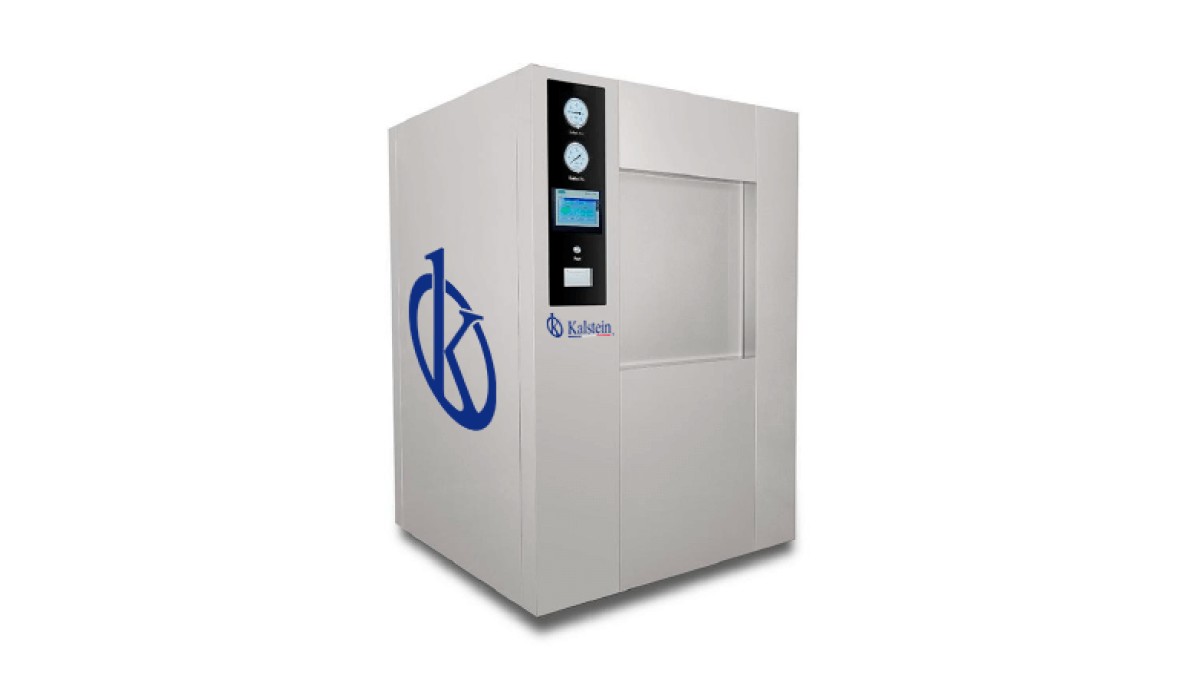
Vertical Autoclaves: Common Mistakes and How to Avoid Them in Daily Operation 2026
Vertical autoclaves play a critical role in laboratory sterilization processes, ensuring that equipment and materials are free from contaminants. In this article, we will explore the practical applications, techniques, and best practices for using vertical autoclaves in 2026, as well as common mistakes to avoid.
What is it used for in 2026
In 2026, vertical autoclaves are widely utilized in various sectors such as medical laboratories, research institutions, and food industries. Their primary function is to sterilize equipment and materials through high-pressure steam, effectively eliminating bacteria, viruses, and other pathogens. This sterilization process is essential for maintaining safety and compliance in laboratory environments, particularly in settings that handle sensitive biological materials.
History and evolution of the technology
The technology behind autoclaves has evolved significantly since its inception in the early 19th century. Initially designed for industrial applications, the autoclave was adapted for laboratory use as the need for sterilization in medical and research contexts grew. Over time, advancements in temperature control, pressure management, and automation have made modern vertical autoclaves more efficient and reliable, allowing for better performance and user-friendly operation.
How to use it step by step
Using a vertical autoclave can be broken down into several key steps:
- Preparation: Ensure that all materials intended for sterilization are clean and properly placed in the autoclave. Avoid overloading the chamber.
- Loading: Carefully load items into the vertical autoclave chamber, ensuring that steam can circulate freely around each item.
- Setting Parameters: Select appropriate sterilization parameters, including temperature and duration, based on the materials being sterilized.
- Starting the Cycle: Initiate the sterilization cycle and monitor the process through the control panel.
- Cooling: Once the cycle is complete, allow the autoclave to cool down before safely unloading the sterilized items.
- Documentation: Record the sterilization parameters and any observations for quality control and compliance purposes.
Best techniques and protocols
Implementing best practices and protocols is crucial for the effective use of vertical autoclaves. Some recommended techniques include:
- Regular Calibration: Schedule regular calibration and maintenance checks to ensure the autoclave operates efficiently.
- Utilizing Biological Indicators: Use biological indicators to verify the effectiveness of the sterilization process regularly.
- Following Manufacturer Guidelines: Always adhere to the manufacturer's guidelines for loading, settings, and operation.
- Training Staff: Provide thorough training for laboratory staff on proper autoclave operation and safety protocols.
Practical applications by laboratory type
Different laboratory types utilize vertical autoclaves for various applications, including:
- Clinical Laboratories: Sterilization of surgical instruments, glassware, and laboratory equipment.
- Research Institutions: Ensuring the sterilization of sensitive biological samples and media.
- Pharmaceutical Industries: Sterilizing production equipment and ensuring the safety of pharmaceutical products.
- Food Safety Laboratories: Sterilizing equipment used in testing and food preparation processes.
Regulations, standards and certifications
Vertical autoclaves must comply with industry regulations and standards to ensure safety and efficacy. Important certifications and guidelines include:
- ISO 13485: This standard focuses on quality management systems for medical devices and equipment.
- FDA Regulations: Compliance with FDA standards is vital for autoclaves used in medical and pharmaceutical applications.
- ANSI/AAMI Standards: These standards outline best practices for sterilization processes in healthcare settings.
Comparison with alternative technologies
While vertical autoclaves are popular for sterilization, alternative technologies include:
- Dry Heat Sterilizers: Suitable for materials that cannot withstand moisture, but generally require longer exposure times.
- Ethylene Oxide Sterilization: Effective for heat-sensitive equipment but requires aeration time and has safety considerations.
- Hydrogen Peroxide Plasma Sterilizers: Utilize low-temperature technology, ideal for sensitive instruments but may have higher operational costs.
Comparison of available models
| Model | Best for | Key specs | Recommended use case |
|---|---|---|---|
| YR05653 | General sterilization of lab equipment | Pressure: 0.1/0.3Mpa; Temp: 150℃; Range: 105℃-139℃ | Ideal for CSSD or laboratory settings requiring routine sterilization. |
| YR05653-1 | Advanced sterilization with enhanced controls | Pressure: 0.1/0.3Mpa; Temp: 150℃; Range: 105℃-139℃ | Perfect for research institutions requiring strict protocol adherence. |
| YR05655 | High-temperature sterilization | Working Temperature: 134°C; Control: PID | Used in pharmaceutical production and testing laboratories. |
| YR05656 | Robust sterilization solutions | Working Pressure: 0.22Mpa; Material: Stainless Steel 304 | Suitable for food safety laboratories and high-volume settings. |
| YR05657 | Efficient drying and sterilization | Temperature Range: 100-134°C; PID Control | Great for labs with a high demand for sterilized materials. |
| YR05658 | Versatile laboratory uses | Pressure: 0.22Mpa; Digital Monitor | Ideal for various laboratory settings requiring flexibility. |
Common mistakes and how to avoid them
Laboratory professionals often encounter several common mistakes when operating vertical autoclaves:
- Overloading the Chamber: Overloading can prevent proper steam circulation, leading to ineffective sterilization. Always adhere to loading guidelines.
- Ignoring Maintenance: Failing to carry out regular maintenance can lead to equipment malfunction. Schedule routine checks and servicing.
- Not Validating Sterilization Cycles: Skipping the use of biological indicators can lead to unverified results. Always validate each cycle to ensure effectiveness.
- Improper Use of Liquid Loads: Liquid loads require special considerations. Ensure that containers are not sealed and allow for steam penetration.
Maintenance, calibration and good practices 2026
To maintain optimal performance of vertical autoclaves, consider the following practices:
- Regular Calibration: Perform calibration checks biannually or as recommended by the manufacturer.
- Routine Cleaning: Clean the chamber regularly to prevent contamination and buildup of debris.
- Document Maintenance Activities: Keep a log of all maintenance activities and any issues encountered for future reference.
Cost-benefit analysis 2026
Investing in vertical autoclaves offers significant benefits, including:
- Efficiency in Sterilization: Quick and effective sterilization saves time and resources in laboratory operations.
- Compliance with Regulations: Proper use and maintenance help laboratories meet stringent health and safety regulations.
- Long-term Savings: While the initial investment may be high, the durability and reliability of vertical autoclaves lead to lower long-term costs.
Frequently asked questions
What are the best practices for loading vertical autoclaves?
Best practices include organizing items to allow steam circulation, using appropriate containers, and avoiding overloading the chamber.
How can I ensure the effectiveness of the sterilization cycle?
Use biological indicators, regularly validate cycles, and document parameters to ensure the process is effective.
What types of materials can be sterilized in a vertical autoclave?
Generally, surgical instruments, glassware, and other heat-resistant laboratory materials can be sterilized effectively.
How often should vertical autoclaves be serviced?
It is recommended to service vertical autoclaves at least biannually or according to the manufacturer's guidelines.
Can I sterilize liquids in a vertical autoclave?
Yes, but ensure containers are not sealed, allow for steam penetration, and follow specific protocols for liquid sterilization.
What safety measures should be in place while operating an autoclave?
Ensure proper training for operators, use personal protective equipment, and follow all manufacturer safety recommendations.
How do I choose the right autoclave model for my laboratory?
Consider the type of materials you will sterilize, your laboratory's volume requirements, and the specific features needed for your operations.
If you are looking for a fusion of innovation and quality, you have come to the right place. At Kalstein, we offer you the luxury of exploring our exclusive catalog of laboratory equipment. We manufacture every device to the highest standards of excellence. Our intuitive and seamless online purchasing channels are designed for your convenience, securing the most competitive prices. Hesitate no longer — we bring science to life, it is time to become part of our community.