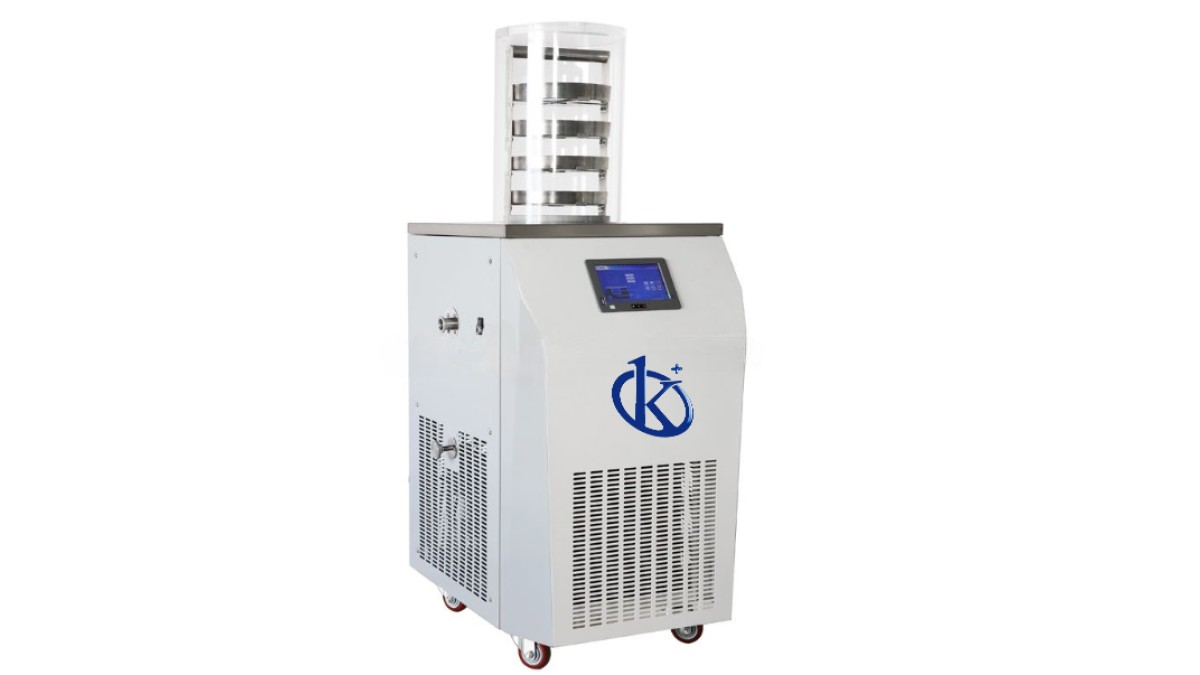
Vertical Laboratory Freeze Dryers: Common Mistakes and How to Avoid Them in Daily Operation 2026
What is it used for in 2026
In 2026, vertical laboratory freeze dryers play a vital role in various sectors including pharmaceuticals, food preservation, biological research, and chemistry. These devices facilitate the removal of moisture from materials at low temperatures, preserving their structure and biochemical properties. They are particularly beneficial for the long-term storage of sensitive products, allowing them to be rehydrated without losing quality.
History and evolution of the technology
The technology of freeze drying, or lyophilization, has evolved significantly since its inception in the early 20th century. Originally developed for preserving blood serum and vaccines, advancements have led to sophisticated vertical laboratory freeze dryers. These modern systems are equipped with advanced controls, improved heating methods, and greater efficiency, allowing for better performance and reliability in laboratory settings.
How to use it step by step
Using a vertical laboratory freeze dryer involves several key steps:
- Preparation: Ensure the dryer is clean and properly calibrated. Prepare the samples for drying by placing them in suitable containers.
- Loading: Load the samples into the drying chamber, ensuring adequate space for air circulation.
- Setting Parameters: Set the desired temperature and vacuum level based on the material being dried.
- Starting the Process: Initiate the freeze-drying cycle, monitoring the progress through the control panel.
- Completion: Once the process is complete, carefully remove the samples and store them appropriately.
Best techniques and protocols
To ensure optimal freeze-drying results, adhere to the following techniques and protocols:
- Pre-freeze samples to ensure rapid sublimation during the drying process.
- Maintain a consistent vacuum level throughout the process to prevent material degradation.
- Regularly monitor temperature and pressure to catch potential deviations early.
- Use appropriate containers that facilitate efficient heat transfer.
Practical applications by laboratory type
Different laboratories leverage vertical freeze dryers for various applications:
- Pharmaceuticals: For the preservation of vaccines and injectable drugs.
- Food Science: To create lightweight, shelf-stable food products.
- Biological Research: For sample preservation in studies involving enzymes and microorganisms.
- Chemistry: To dry chemicals without altering their molecular structure.
Regulations, standards and certifications
Laboratory freeze dryers must comply with various regulations and standards such as Good Manufacturing Practice (GMP) and ISO certifications. These guidelines ensure that the equipment is safe, reliable, and effective for laboratory use, promoting quality control and adherence to industry standards.
Comparison with alternative technologies
While vertical freeze dryers are effective, other drying technologies exist:
- Spray Drying: Suitable for large volumes but may alter some heat-sensitive materials.
- Convection Drying: Generally faster but less effective for preserving biochemical properties.
- Vacuum Drying: More energy-efficient but can take longer and might not be suitable for all materials.
Comparison of available models
| Model | Best for | Key specs | Recommended use case |
|---|---|---|---|
| YR05198 | Routine laboratory use | 0.18m²/0.27m² area, 6 kg/24h water capacity | Ideal for pharmaceuticals and biological samples |
| YR05199 | Dynamic research environments | 0.09m² area, 6 kg/24h water capacity | Suitable for small batch sizes and varied experiments |
| YR05200 | High-volume applications | 0.18m²/0.27m² area, 6 kg/24h water capacity | Used in large labs for bulk material processing |
| YR05201 | Versatile laboratory needs | 0.09m² area, 6 kg/24h water capacity | Best for labs requiring flexibility in drying |
| YR05985-1 | Fruit and vegetable processing | 0.7m² area, 10 kg/24h water capacity | Optimal for food industry applications |
| YR05985-2 | Large scale food preservation | 1.04m² area, 15 kg/24h water capacity | Used for greater food product demands |
Common mistakes and how to avoid them
Laboratory professionals often encounter pitfalls when operating freeze dryers. Here are some common mistakes and strategies for avoidance:
- Inadequate Sample Preparation: Ensure proper pre-treatment of samples to facilitate effective freeze-drying.
- Neglecting Calibration: Regularly calibrate equipment to maintain accuracy and reliability.
- Ignoring Manufacturer Instructions: Always refer to the manufacturer's guidelines for optimal operation.
- Overloading the Chamber: Avoid overcrowding to ensure uniform drying and prevent equipment strain.
Maintenance, calibration and good practices 2026
To ensure longevity and accuracy in operation, follow these maintenance and calibration practices:
- Schedule regular maintenance checks and cleaning of the drying chamber.
- Calibrate temperature and vacuum levels periodically.
- Document all maintenance activities for traceability.
- Train personnel on best practices to foster a culture of safety and efficiency.
Cost-benefit analysis 2026
Investing in a vertical laboratory freeze dryer can be a significant expense, but the long-term benefits often outweigh the costs. Consider factors such as:
- Reduced waste due to effective preservation methods.
- Long-term savings on storage costs and material reprocessing.
- Improved product quality, leading to higher market value.
- Increased operational efficiency through automation and precision.
Frequently asked questions
What are the key considerations when choosing a vertical laboratory freeze dryer?
When selecting a freeze dryer, consider the size of the chamber, water capacity, heating methods, and specific applications you will be conducting in your lab.
How do I know if my samples are suitable for freeze drying?
Materials that contain significant water content and are sensitive to heat are typically suitable for freeze drying. Always assess the biochemical structure of your samples before proceeding.
What is the average operational lifespan of a freeze dryer?
The operational lifespan of a freeze dryer can typically range from 10 to 20 years, depending on usage, maintenance, and adherence to manufacturer guidelines.
Can I use a freeze dryer for both biological and food samples?
Yes, many freeze dryers are versatile enough to handle both biological and food applications, though specific models may be optimized for one over the other.
What safety measures should be taken when operating a freeze dryer?
Always ensure that the laboratory is well-ventilated, use protective gear, and regularly monitor equipment to avoid overheating or vacuum failures.
How often should I calibrate my freeze dryer?
Calibration should be performed at least annually, or more frequently depending on usage intensity and specific laboratory protocols.
Where can I request a quote for a vertical laboratory freeze dryer?
You can request a quote on Kalstein Plus for various models and configurations of vertical laboratory freeze dryers to fit your lab needs.
If you are looking for a fusion of innovation and quality, you have come to the right place. At Kalstein, we offer you the luxury of exploring our exclusive catalog of laboratory equipment. We manufacture every device to the highest standards of excellence. Our intuitive and seamless online purchasing channels are designed for your convenience, securing the most competitive prices. Hesitate no longer — we bring science to life, it is time to become part of our community.