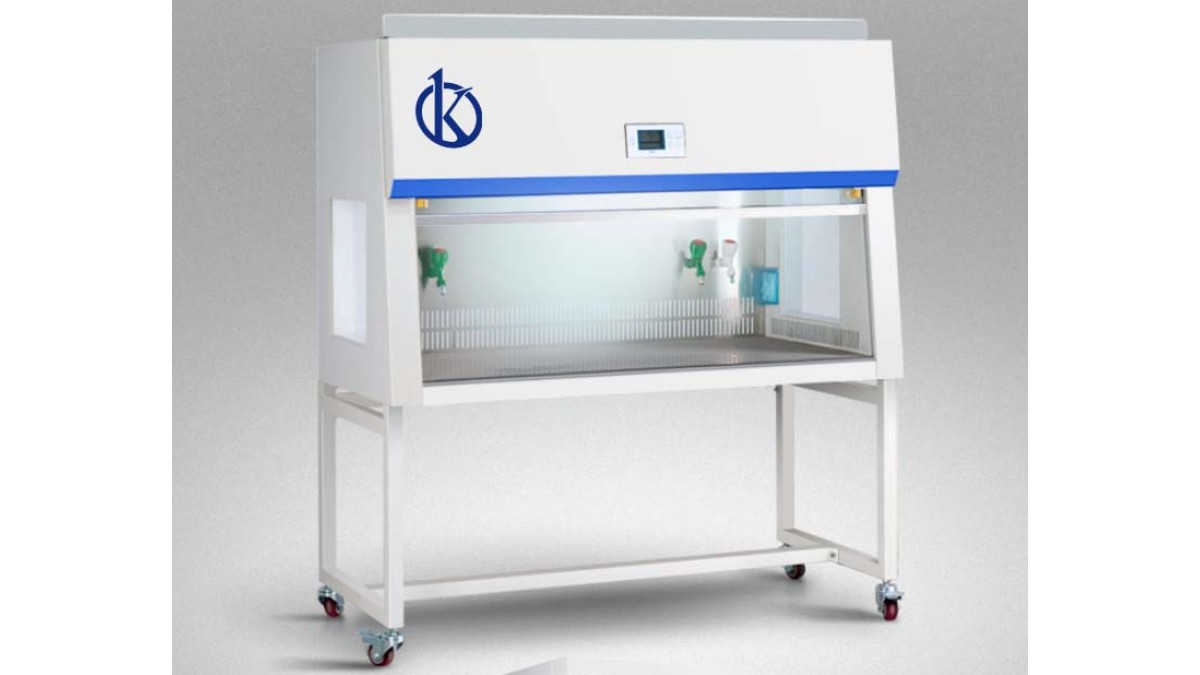
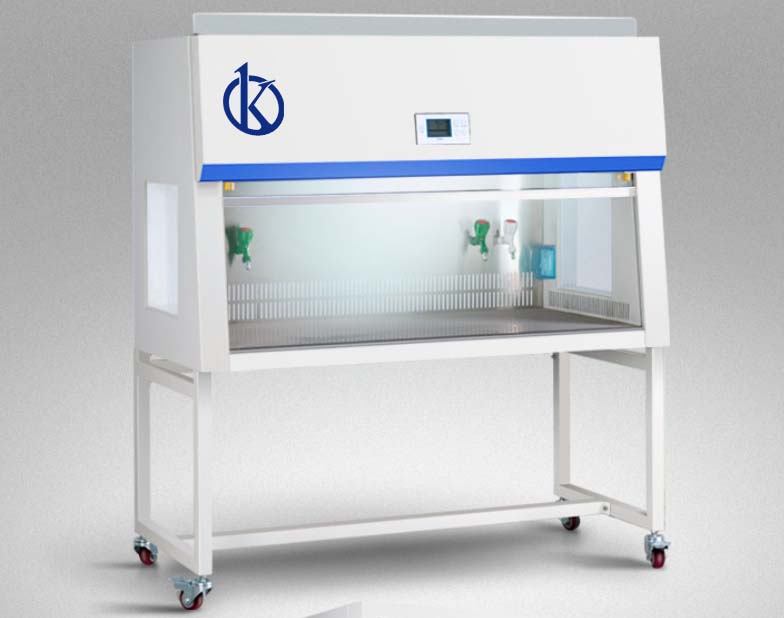
Vertical Laminar Flow Clean Benches: Practical Applications and Techniques 2026
What is it used for in 2026
Vertical laminar flow clean benches are essential pieces of equipment in laboratories that require a sterile environment. In 2026, they are widely used in various fields, including biotechnology, pharmaceuticals, life sciences, and precision electronics. These clean benches provide a controlled atmosphere that protects sensitive samples and research from contamination. They are particularly useful in applications involving cell culture, microbiological work, and the preparation of sterile solutions.
History and evolution of the technology
The concept of laminar flow technology dates back to the mid-20th century when the need for sterile environments in laboratories became apparent. Initially, systems were bulky and less efficient. However, with advancements in materials and design, vertical laminar flow clean benches have evolved to become more compact and efficient while providing higher air cleanliness standards. Improvements in filtration technology have also played a significant role in enhancing the effectiveness of these benches.
How to use it step by step
- **Preparation:** Before using the clean bench, ensure that the area is clean and free from any contaminants. Setup should be done in a designated cleanroom.
- **Power On:** Turn on the clean bench and allow it to run for a minimum of 10-15 minutes before beginning your work. This allows the air filter to clear the workspace.
- **Arrange Materials:** Organize your materials (petri dishes, pipettes, reagents) within the sterile area. Minimize the number of items to reduce the risk of contamination.
- **Use Proper Techniques:** When working inside the clean bench, always use aseptic techniques. Avoid blocking air vents and ensure that airflow is not disrupted.
- **Cleaning Post-Use:** After completing your work, clean the surface of the clean bench with appropriate disinfectants to eliminate any residual contaminants.
Best techniques and protocols
To maximize the effectiveness of vertical laminar flow clean benches, it is crucial to adhere to specific techniques and protocols:
- **Wear Proper PPE:** Always wear gloves, lab coats, and face masks to maintain a sterile environment.
- **Minimize Movement:** Limit unnecessary movements within the clean bench to maintain laminar flow and prevent turbulence that could introduce contaminants.
- **Regular Sterilization:** Conduct routine sterilization of tools and surfaces using autoclaving or chemical methods before and after use.
- **Monitor Air Quality:** Utilize air quality monitoring systems to ensure that the clean bench operates within acceptable parameters.
Practical applications by laboratory type
Different laboratory types utilize vertical laminar flow clean benches to suit their unique needs:
- **Clinical Laboratories:** Used for microbiological tests and cell cultures.
- **Pharmaceutical Factories:** Essential for drug formulation and sterile compounding.
- **Research Laboratories:** Ideal for experiments requiring a sterile environment, such as genetic engineering and cell therapy.
- **Electronic Component Manufacturing:** Protects sensitive electronic parts from dust and contamination during assembly.
Regulations, standards and certifications
Vertical laminar flow clean benches must comply with various international standards and regulations to ensure safety and effectiveness. These include:
- **ISO 14644-1:** This standard defines the classification of air cleanliness in cleanrooms and controlled environments.
- **US Federal Standard 209E:** Provides guidelines for the cleanliness levels of cleanrooms.
- **Good Manufacturing Practices (GMP):** Outlines the necessary practices to ensure quality in manufacturing processes.
Comparison with alternative technologies
When comparing vertical laminar flow clean benches with alternative technologies like horizontal flow hoods and biological safety cabinets, several factors must be considered:
- **Vertical vs Horizontal Flow:** Vertical flow benches offer uniform airflow and are often preferred for applications involving large workspaces.
- **Biological Safety Cabinets:** These provide additional protection against biohazards, which is essential for working with infectious agents.
- **Cost Consideration:** Vertical laminar flow benches are typically more cost-effective than biological safety cabinets while still providing essential cleanliness.
Comparison of available models
| Model | Best for | Key specs | Recommended use case |
|---|---|---|---|
| YR05267-1 | Biotechnology and pharmaceutical applications | ISO Class 5, 400W, 220V, 210 kg | Multi-user environments, cell cultures |
| YR05734 | General laboratory testing | Class 100, 240W, compact design | Small experiments, easy setup |
| YR05735 | Small laboratory applications | Class 100, 300W | Precision tasks, limited space |
| YR05736 | Complex research tasks | Class 100, 420W | Extensive experiments |
| YR05737 | Robust laboratory operations | Class 100, 650W | High-demand environments |
| YR05738 | Medical and chemical applications | Class 100, 590W | Daily laboratory operations |
Common mistakes and how to avoid them
Using vertical laminar flow clean benches requires caution to avoid common pitfalls that can lead to contamination:
- **Neglecting Cleaning Protocols:** Always adhere to cleaning schedules before and after use.
- **Overloading the Bench:** Avoid overcrowding the clean bench with materials; this can disrupt airflow.
- **Ignoring Airflow Direction:** Ensure that work is performed with respect to the airflow to maintain a sterile environment.
Maintenance, calibration and good practices 2026
Regular maintenance and calibration are crucial for optimal performance of vertical laminar flow clean benches:
- **Scheduled Cleaning:** Perform routine maintenance checks and deep clean the filters every 6 months.
- **Calibration:** Regularly calibrate the airflow and lighting systems to ensure compliance with standards.
- **User Training:** Ensure that all users are trained on the correct operation and maintenance of the equipment.
Cost-benefit analysis 2026
Investing in vertical laminar flow clean benches can yield significant benefits:
- **Cost Efficiency:** Lower initial investment compared to other sterile environment solutions.
- **Enhanced Productivity:** With a sterile workspace, researchers can conduct experiments without contamination concerns, leading to more reliable results.
- **Long-Term Savings:** Regular maintenance ensures a longer lifespan and reduces the need for costly repairs.
Frequently asked questions
What are the primary differences between vertical and horizontal laminar flow clean benches?
Vertical laminar flow benches provide downward airflow which is beneficial for larger workspace environments, while horizontal benches provide airflow from the back, making them suitable for smaller, more contained tasks.
How often should I clean and maintain my clean bench?
It is recommended to perform cleaning before and after each use, with thorough maintenance checks every six months to ensure optimal performance.
Can laminar flow clean benches be used for hazardous materials?
No, vertical laminar flow clean benches are not designed for use with hazardous materials. For such applications, biological safety cabinets should be used to ensure operator safety.
What types of applications are most suitable for vertical laminar flow clean benches?
They are ideal for applications in microbiology, cell culture, sterile compound preparation, and sensitive electronic assembly.
Are there specific certifications required for vertical laminar flow clean benches?
Yes, they must comply with ISO 14644-1 and US Federal Standard 209E for cleanroom environments.
How can I ensure that my clean bench is operating correctly?
Regular monitoring of airflow and cleanliness levels, along with scheduled maintenance and user training, will ensure that your clean bench operates optimally.
Where can I request a quote for a vertical laminar flow clean bench?
You can request a quote on Kalstein Plus, where you’ll find a variety of models and competitive prices.
If you are looking for a fusion of innovation and quality, you have come to the right place. At Kalstein, we offer you the luxury of exploring our exclusive catalog of laboratory equipment. We manufacture every device to the highest standards of excellence. Our intuitive and seamless online purchasing channels are designed for your convenience, securing the most competitive prices. Hesitate no longer — we bring science to life, it is time to become part of our community.