
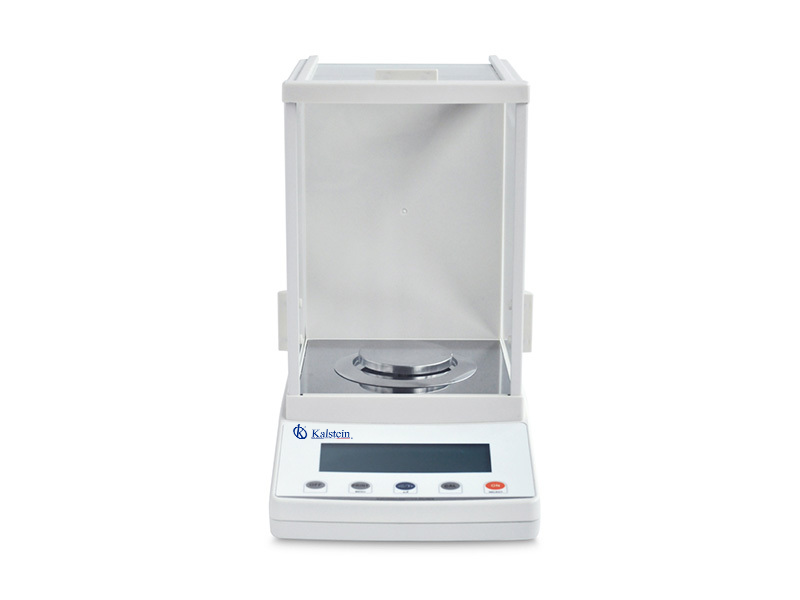
The field of analytical balances is continuously evolving, offering precision and reliability in laboratory measurements. Two prominent products stand out in this market: the External Calibration Analytical Balance YR05578 – YR05579 by Kalstein and the Analytical Balance W3200-120 by Accuris. These balances are designed to cater to the precise demands of modern laboratories, but they each offer unique features that set them apart.
The External Calibration Analytical Balance YR05578 – YR05579 from Kalstein is a state-of-the-art piece of machinery known for its exceptional precision and user-friendly interface. This model boasts an elegant design and is equipped with advanced technology to ensure accurate measurements every time. On the other hand, the Analytical Balance W3200-120 from Accuris is another reliable option, providing accuracy and stability for consistent laboratory results. Despite its efficiency, the Accuris model emphasizes traditional aspects of analytical weighing.
| Feature | Kalstein YR05578 – YR05579 | Accuris W3200-120 |
|---|---|---|
| Calibration Type | External Calibration | Automatic Internal Calibration |
| Capacity | Varies with model | 120g |
| Readability | 0.1mg | 0.1mg |
| Display | LCD with backlight | LCD with backlight |
| Interface | RS232 | RS232 |
How They Work
The Kalstein YR05578 – YR05579 employs external calibration, which provides users the flexibility to calibrate the balance using an external weight, depending on their needs or requirements of specific experiments. This ensures maximum precision and adoption of diverse calibration standards. The Accuris W3200-120, however, uses an automatic internal calibration process, adjusting itself at preset intervals or when environmental changes are detected, ensuring constant accuracy without user intervention.
Purpose
Both analytical balances are designed for high-precision weighing tasks within laboratories. They are essential in pharmaceutical, chemical, academic, and industrial laboratories where precise measurements are crucial. While the Kalstein model offers more versatility with its external calibration capabilities, the Accuris model provides convenience with its automatic features.
Types
The analytical balances like Kalstein’s YR05578 – YR05579 and Accuris’ W3200-120 both represent categories of precision balances tailored for specific calibration needs and measurement accuracies. The choice between them can often depend on operational priorities, such as calibration flexibility versus automation.
Market Price
Analytical balances like these typically range between $1,000 to $5,000, depending on specific features, quality, and brand reputation. The Kalstein model, while fairly priced, offers a compelling mix of precision and innovative features, often making it a preferred choice for those looking to invest wisely.
Frequently Asked Questions
What is the difference between internal and external calibration?
Internal calibration automatically adjusts the balance with an internal weight, requiring less user intervention. External calibration offers more flexibility, allowing the user to calibrate with an external weight of their choosing, which can be beneficial for specific standards compliance.
Can both balances be connected to a computer?
Yes, both models provide RS232 interfaces, allowing them to connect to computers for data analysis and record keeping.
Which balance is more suitable for pharmaceutical labs?
Both are suitable; however, the Kalstein YR05578 – YR05579 might offer more flexibility in calibration, appealing to laboratories requiring strict compliance and precision.
Advantages and Disadvantages
The Kalstein YR05578 – YR05579 has the advantage of external calibration, offering flexibility in meeting various calibration standards, which is crucial for certain scientific procedures. Its competitive pricing and advanced features like backlit LCD display and comprehensive capacity options make it a strong contender. The Accuris W3200-120, with its automatic calibration, provides hassle-free maintenance but may lack the versatility that the Kalstein model offers for specific intricate measurements.
Usage in the Field
In practical scenarios, both models are used extensively for measuring small samples with high precision. The Kalstein model, with its adaptable calibration, is preferred in environments where meticulous compliance with multiple standards is necessary, such as in R&D labs and quality assurance processes. Meanwhile, the Accuris model’s automated features are an asset in high-throughput labs requiring reliable, unattended operations.
Recommendations
For optimal performance, it is recommended to regularly calibrate the Kalstein balance using certified weights. Keeping the environment stable and clean will ensure both models perform at their best, reducing potential drift effects from temperature or humidity changes. For those looking to enhance their laboratory efficiency, the Kalstein YR05578 – YR05579 stands out as a balanced choice of innovation and practicality.
For a seamless purchasing experience and to explore the multitude of benefits offered by the Kalstein YR05578 – YR05579, consider requesting a quote or generating an automatic quotation via the Kalstein Plus platform today. Experience precision and reliability at unbeatable prices.
If you are looking for a blend of innovation and quality, you have come to the right place. At Kalstein, we offer you the luxury of exploring our exclusive catalog of laboratory equipment. We manufacture each equipment with a level of excellence. Our intuitive and agile online purchasing channels are designed for your comfort, ensuring the most friendly prices. Don’t hesitate any longer, we bring science to life, it’s time to become part of our community. https://kalstein.se/product/internal-calibration-analytical-balance-yr05578-yr05579/.