
Electrocardiographs: How do they work?
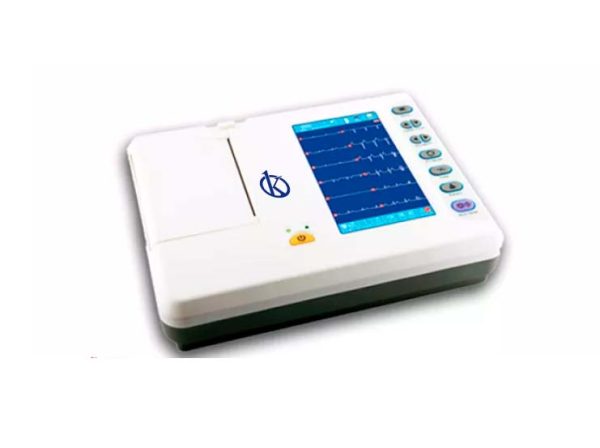
At some point you’ve probably wondered how an electrocardiograph works? This medical device is part of a science called bioinstrumentation, a branch of biomedical engineering. It is responsible for recovering specific biosignals from the human body and then processing them in such a way that doctors can interpret them to obtain a diagnosis of the patient in the least invasive way possible.
What is a multi channel electrocardiograph?
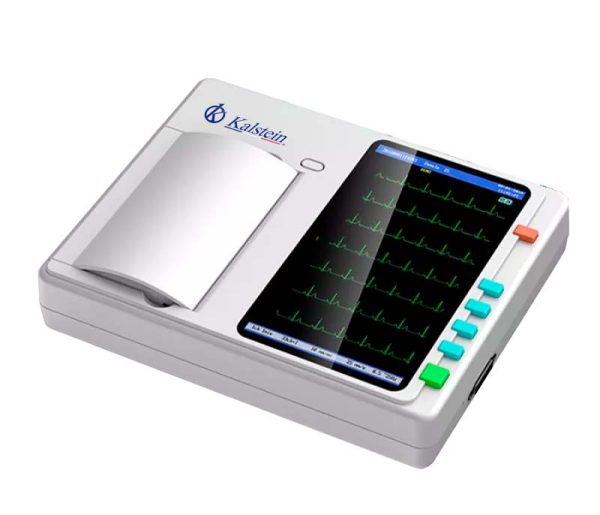
It is a medical device, charged with recording the negative and positive cardiac activities of patients, driven by electrodes, able to record the damage of the heart, the speed of palpitations or some anomaly, in addition to the effects left by the cardiac drugs.
What is an electrocardiogram?
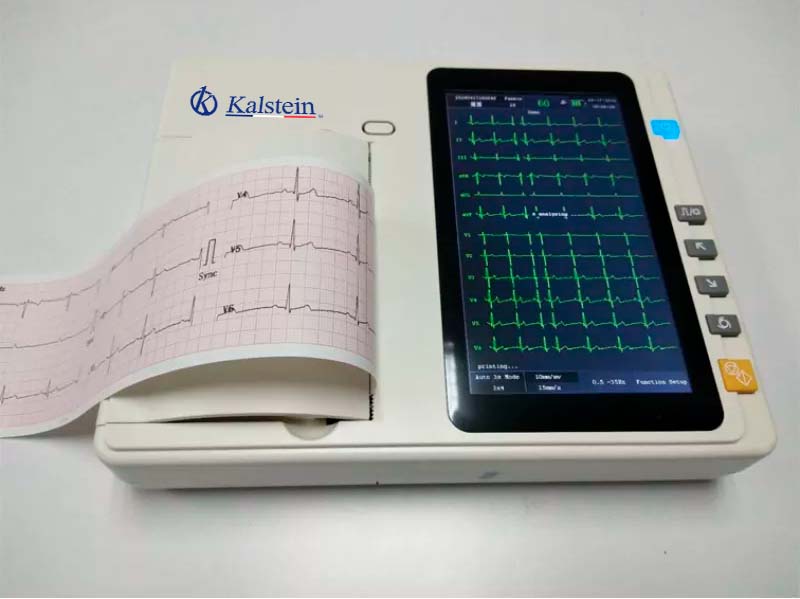
The electrocardiogram (ECG) is a recording that reflects the electrical activity of the heart, made with the help of a device known as an electrocardiograph. The electrocardiograph is a device designed to show the direction and magnitude of electrical currents produced by the heart. This electronic device that captures and amplifies the electrical activity of the heart through electrodes.
Is a child radiant heater important?
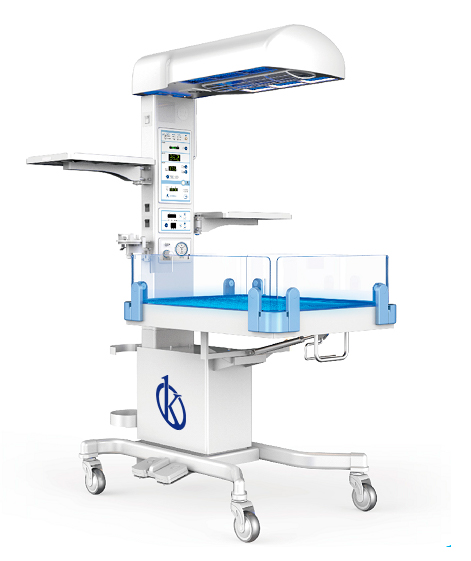
A child radiant heater is a unit used to provide radiant heat to newborns in a comfortable thermal area that maintains their body temperature from 36 to 37 degrees. Newborns who are placed in radiant heaters are usually premature or low birth weight patients who have thermo-regulation problems and are therefore unable to maintain thermal balance, and newborns who may present some critical condition that require constant intervention by medical personnel.
When should a child radiant heater be used?
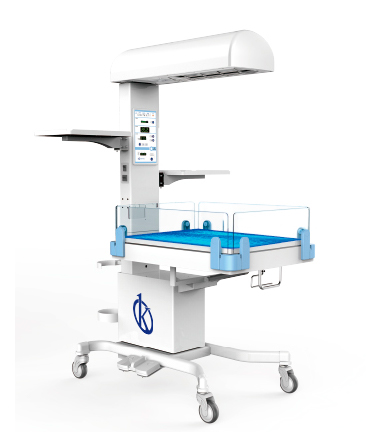
The usefulness of this equipment highlights in its 4 main functions of rescue and integral management in the newborn, is a unit that guarantees the effective flow of work, favors the immediate attention of medical personnel belonging to emergencies, in addition to reducing the time of rescue and immediate and detailed care of the newborn, radiant infant heaters, are primarily used in the delivery rooms, neonatal care, neonatal intensive care, areas of neonatal intensive therapy, and in the pre and postoperative care of the newborn.
how does a neonatal resuscitation table work?
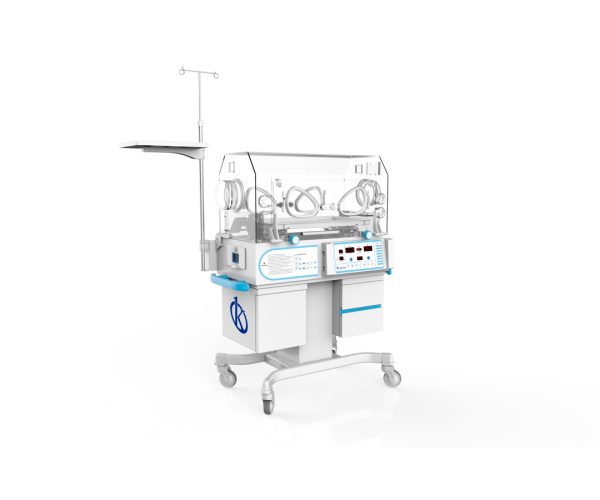
The operation of a neonatal resuscitation table is intrinsically linked to its main objective, which is not only to reduce the percentage of premature neonatal deaths, but also to avoid neurological consequences due to asphyxiation at the time of birth, this table is not exclusive use of the intensive care area, but has a wide application in maneuvers during high-risk deliveries.
What is a neonatal resuscitation table?
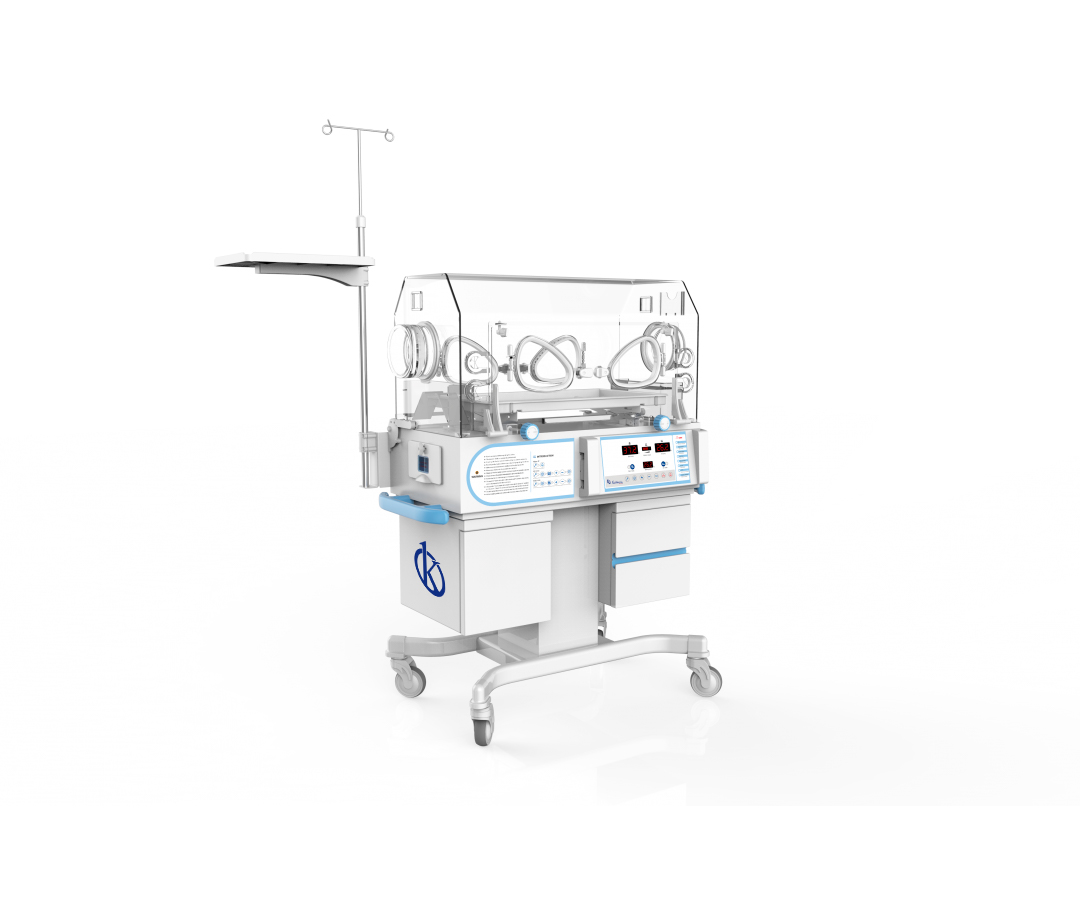
This equipment is essential when in special cases or situations the newborn is not full term, approaching 80% of premature babies, presenting some conditions such as asphyxiation, which if present for a long period can cause the death of the baby, among other factors of prenatal or intrapartum risk, so, in any health center, must possess a table of neonatal resuscitation.
What are the different types of children’s heaters?
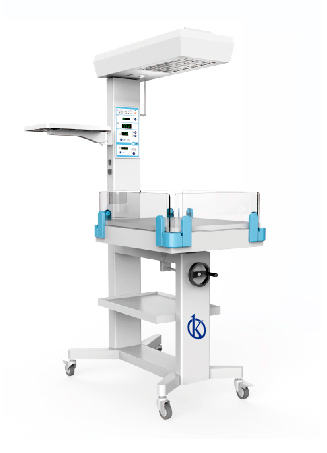
Childhood heaters are medical equipment designed to provide constant heat to low-weight newborns who have thermoregulation problems or who need constant interventions by medical staff, as their purpose is to maintain a temperature-controlled environment to help newborns maintain their body temperature.
What are the results when using a child radiant heater?
A child radiant heater is a medical device used to provide newborns with a comfortable thermal area that maintains their body temperature from 36 to 37 degrees, that is, this equipment is a controlled source of radiant heat for newborns and pediatric patients, providing them with infrared energy that produces both penetrating and superficial heat.
What is a neonatal resuscitation table?
This equipment is essential when in special cases or situations the newborn is not full term, approaching 80% of premature babies, presenting some conditions such as asphyxiation, which if present for a long period can cause the death of the baby, among other factors of prenatal or intrapartum risk, so, in any health center, must possess a table of neonatal resuscitation.