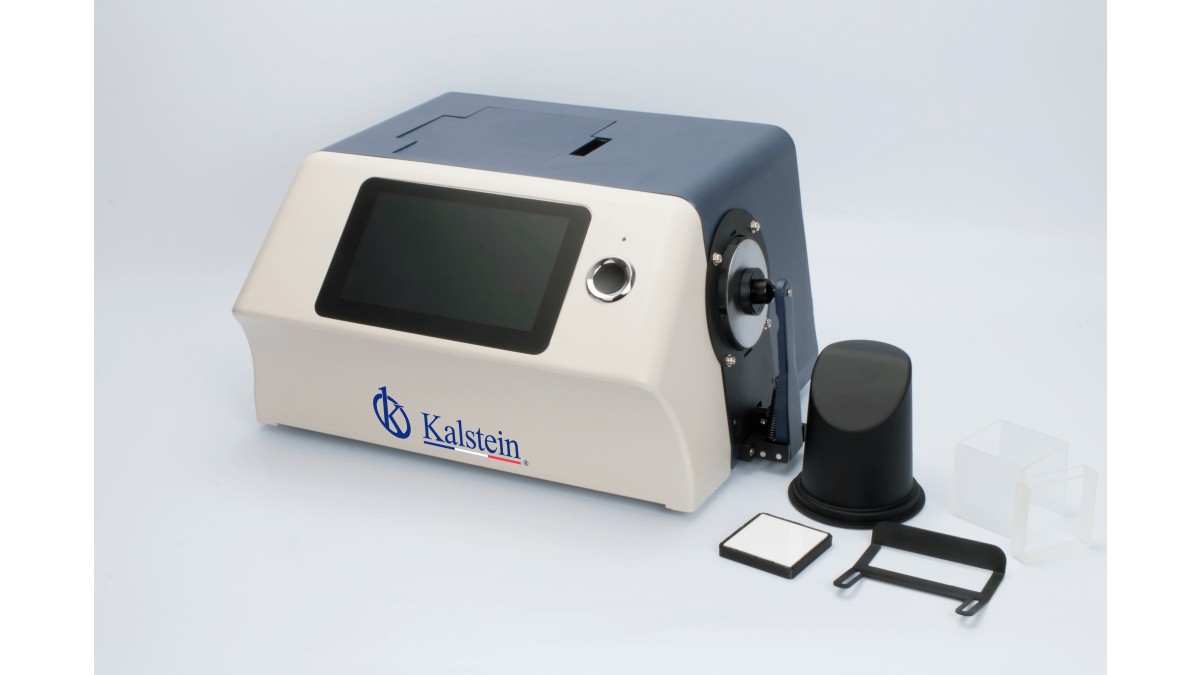
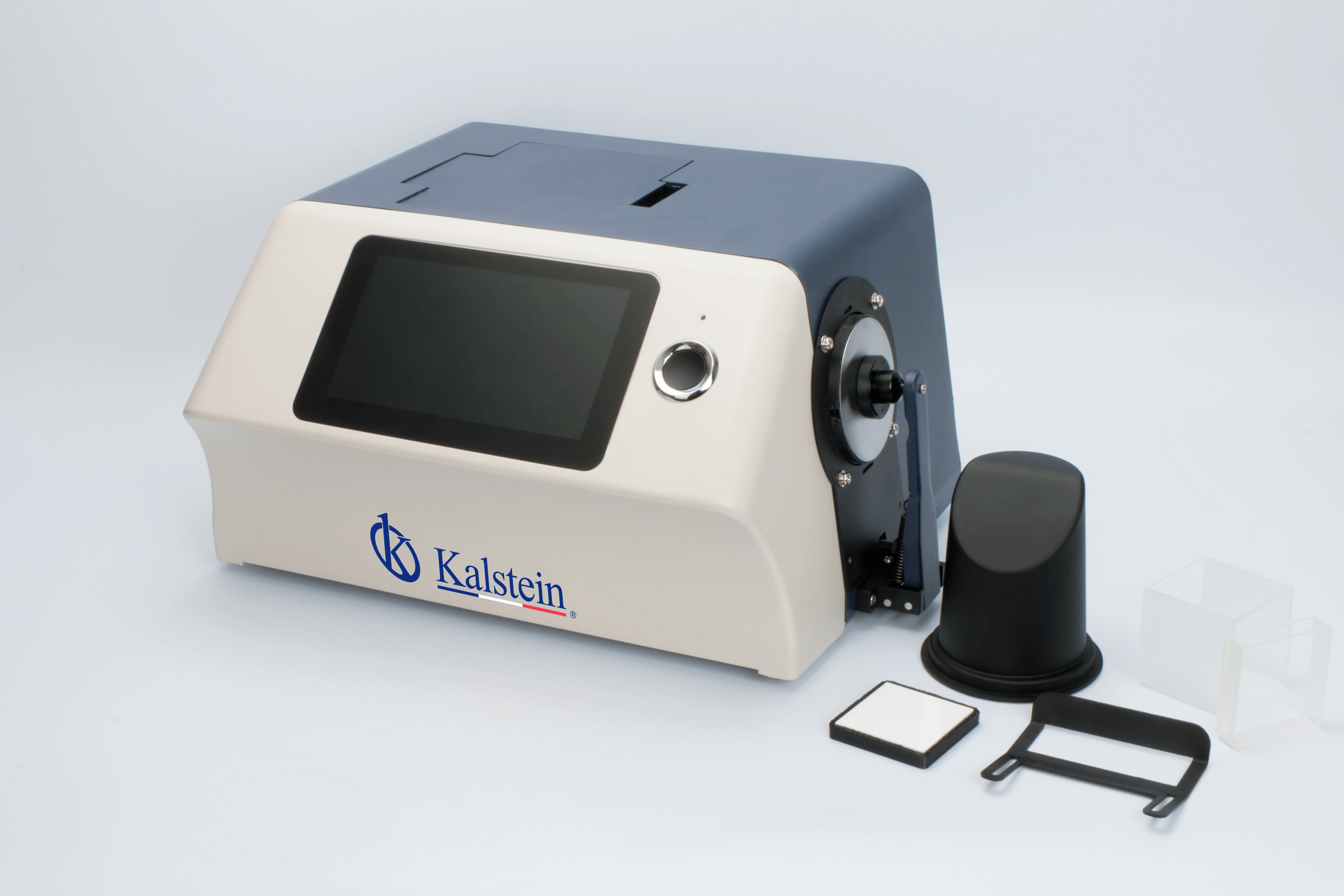
Benchtop Spectrophotometers: Practical Applications and Techniques 2026
Benchtop spectrophotometers have become essential tools in various laboratory settings, including research, biotechnology, and academia. Their ability to measure light absorbance and transmittance in different materials enables scientists to derive valuable data for analysis and experimentation. In this article, we will explore the applications of these devices in 2026, their evolution, and practical usage techniques.
What is it used for in 2026
In 2026, benchtop spectrophotometers are predominantly used for color measurement, quality control, and research analysis across multiple fields. Laboratories utilize them to evaluate the color properties of materials, analyze chemical substances, and conduct photometric studies. Their versatility allows them to be applied in the paint, textile, plastics, food, and pharmaceutical industries. These devices are essential for ensuring color consistency and compliance with industry standards.
History and evolution of the technology
The concept of spectrophotometry dates back to the early 20th century when scientists sought to quantitatively analyze the properties of light and its interaction with matter. Early spectrophotometers were bulky and primarily used in specialized laboratories. Over the decades, technological advancements have led to the development of more compact, benchtop models that maintain high accuracy yet are user-friendly. Innovations like pulsed xenon lamps and improved software have enhanced measurement capabilities, making them integral in today’s laboratories.
How to use it step by step
Using a benchtop spectrophotometer involves a systematic approach to ensure accurate measurements. Here are the steps to follow:
- Preparation: Ensure that the spectrophotometer is calibrated according to the manufacturer's specifications. Prepare the samples to be tested, ensuring they are in appropriate cuvettes or containers.
- Power On: Turn on the device and allow it to warm up if required. Check the settings to confirm that the correct measurement mode is selected.
- Baseline Measurement: Run a baseline measurement using a blank sample to set the reference point for subsequent readings.
- Sample Measurement: Insert the sample into the spectrophotometer and initiate the reading. Record the absorbance, transmittance, or reflectance values as required.
- Data Analysis: Use the spectrophotometer’s software to analyze the data and generate reports or graphs as needed.
- Cleaning: Clean the cuvettes or measurement containers thoroughly after use to avoid contamination in future tests.
Best techniques and protocols
To achieve optimal results with benchtop spectrophotometers, laboratory professionals should adhere to best practices:
- Calibration: Regularly calibrate the device using standards to maintain measurement accuracy.
- Temperature Control: Monitor the temperature of samples, as fluctuations can affect readings.
- Proper Sample Handling: Ensure that samples are free from air bubbles and contaminants for reliable results.
- Consistency: Use consistent methods for sample preparation and measurement to ensure reproducibility.
- Documentation: Keep detailed records of all measurements and calibrations for future reference and compliance.
Practical applications by laboratory type
Different laboratory types utilize benchtop spectrophotometers for specific applications:
Research Laboratories
In research laboratories, these devices are crucial for analyzing materials and conducting experiments related to photochemistry and materials science.
Biotechnology Labs
Biotechnology labs use spectrophotometers for DNA/RNA quantification, protein assays, and studying cell cultures.
Quality Control Labs
In quality control, they ensure that products meet color specifications and regulatory standards in industries like food and cosmetics.
Academic Institutions
Academic institutions utilize these devices for educational purposes, allowing students to engage in hands-on learning about spectrophotometric techniques.
Regulations, standards and certifications
Benchtop spectrophotometers must comply with various regulations and standards to ensure their reliability and accuracy. They typically adhere to ISO standards, ASTM methods, and guidelines set by organizations such as the CIE (International Commission on Illumination). Certification of devices can also be important for laboratories that require validated results for regulatory submissions.
Comparison with alternative technologies
While benchtop spectrophotometers are widely used, alternative technologies also exist, such as colorimeters and imaging spectrometers. Colorimeters are typically simpler and less costly but may not provide the same level of detail as spectrophotometers. Imaging spectrometers offer comprehensive data capture but are often more expensive and complex to operate. Each technology has its benefits and limitations, making the choice dependent on the specific application and required precision.
Comparison of available models
| Model | Best for | Key specs | Recommended use case |
|---|---|---|---|
| YR05474 | Color analysis in R&D environments | Price: $6430.00 | Suitable for high-precision color measurement and analysis. |
| YR05475 | Stable color measurement | Price: $4695.00 | Ideal for laboratory environments requiring accurate color evaluations. |
| YR05476 | Color analysis with robust software | Price: $6430.00 | Used in labs focusing on comprehensive color assessments. |
| YR05477 | Evaluation of both reflectance and transmittance | Price: $4695.00 | Best for applications requiring both solid and liquid analysis. |
| YR05478 | Color difference formulas | Price: $4445.00 | Commonly applied in industries requiring precise color matching. |
| YR05482 | Non-contact color measurement | Price: $4950.00 | Perfect for measuring sensitive samples without contamination. |
Common mistakes and how to avoid them
Laboratory professionals can encounter several common pitfalls when using benchtop spectrophotometers:
- Inadequate Calibration: Failing to calibrate before use can lead to inaccurate results. Always perform a calibration check before measurements.
- Ignoring Temperature Effects: Not accounting for temperature variations can skew data. Maintain sample temperature consistency.
- Poor Sample Preparation: Contaminants can affect readings; ensure samples are clean and properly prepared.
- Inconsistent Measurement Techniques: Variability in measurement protocols can lead to unreliable results. Standardize procedures across the laboratory.
- Neglecting Software Updates: Outdated software can hinder functionality; regularly update software to ensure optimal performance.
Maintenance, calibration and good practices 2026
To maintain the performance of benchtop spectrophotometers, follow these guidelines:
- Regular Calibration: Conduct routine calibrations with standards to ensure accuracy.
- Routine Cleaning: Clean optical components regularly to prevent dust and contamination.
- Software Management: Keep the software updated to access the latest features and data analysis tools.
- Environment Monitoring: Store the instrument in a controlled environment to avoid exposure to extreme temperatures and humidity.
- Training Personnel: Ensure all users are trained in proper usage protocols to minimize errors.
Cost-benefit analysis 2026
Investing in a benchtop spectrophotometer can yield significant benefits for laboratories. While initial costs may vary, the return on investment is realized through improved accuracy in testing and quality control, leading to enhanced product quality and compliance with regulations. The longevity and reliability of these instruments, when maintained properly, reduce the need for frequent replacements, further justifying the investment.
Frequently asked questions
What should I consider when choosing a benchtop spectrophotometer?
Consider the application requirements, measurement range, software capabilities, and the specific features that align with your laboratory's needs.
How often should I calibrate my spectrophotometer?
Calibration should be performed regularly, ideally before each use or daily if the instrument is used frequently, to ensure accurate measurements.
Can I use the spectrophotometer for both liquids and solids?
Yes, most benchtop spectrophotometers can measure both liquid and solid samples, but it's essential to choose the right cuvettes or measurement containers.
What are the common troubleshooting steps for a malfunctioning spectrophotometer?
Check for calibration issues, ensure the device is clean and free of obstructions, and review the software settings for errors.
Are there specific maintenance tasks I need to perform regularly?
Regularly clean optical surfaces, calibrate the device, and ensure that all software is updated to maintain optimal performance.
How can I ensure accurate results with my spectrophotometer?
Ensure proper calibration, use clean and well-prepared samples, maintain consistent environmental conditions, and standardize measurement protocols.
Where can I find more information or request a quote for a spectrophotometer?
For detailed specifications and pricing, feel free to request a quote through our platform, where you can explore our range of laboratory equipment.
If you are looking for a fusion of innovation and quality, you have come to the right place. At Kalstein, we offer you the luxury of exploring our exclusive catalog of laboratory equipment. We manufacture every device to the highest standards of excellence. Our intuitive and seamless online purchasing channels are designed for your convenience, securing the most competitive prices. Hesitate no longer — we bring science to life, it is time to become part of our community.