Biosafety Cabinets: Practical Applications and Techniques 2026
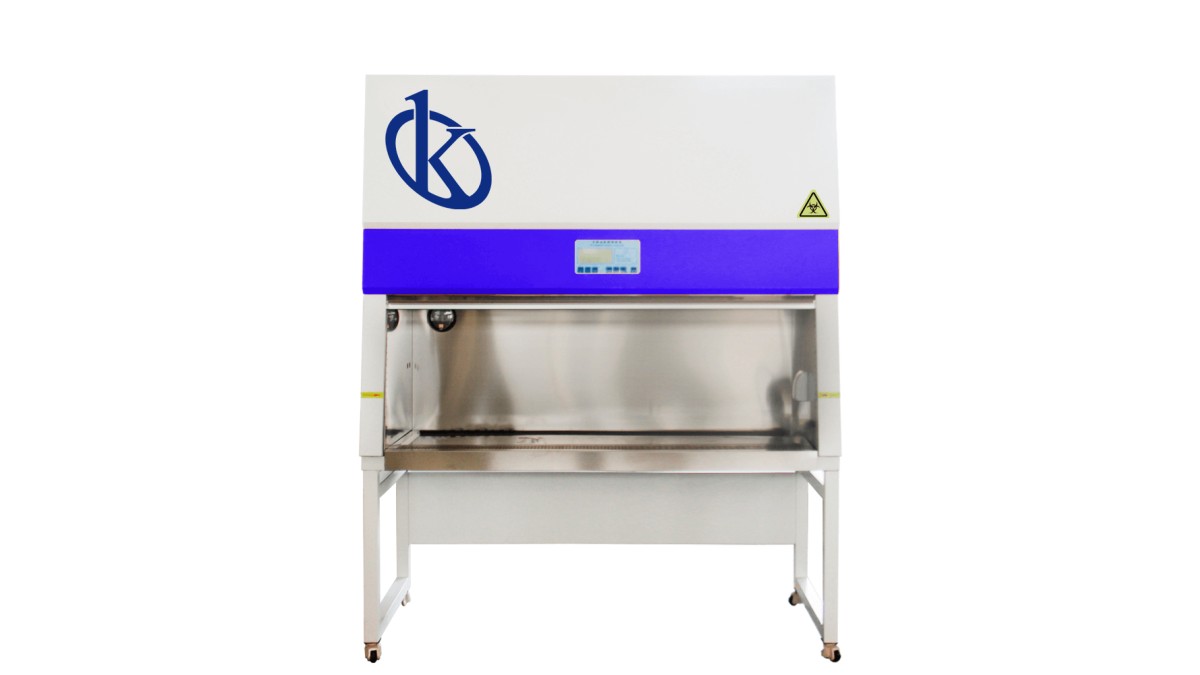
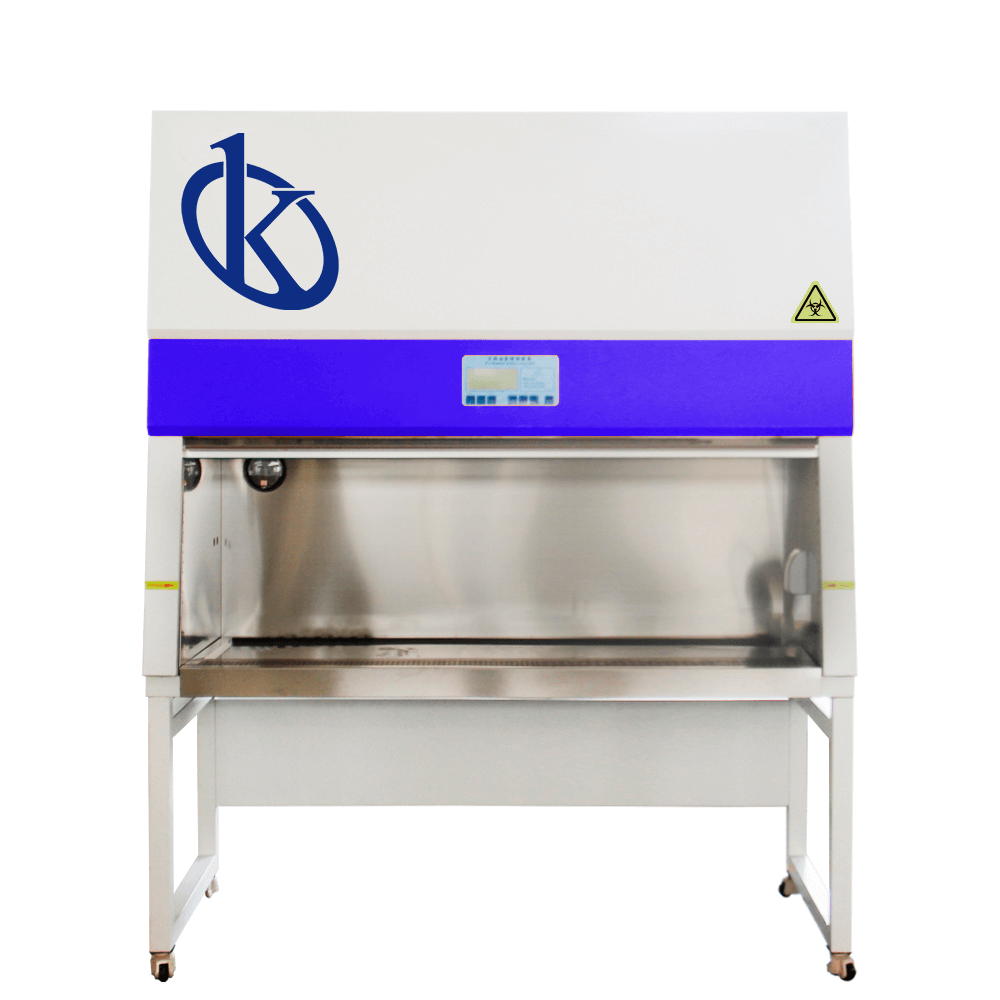
Biosafety cabinets are critical components in laboratories, particularly for those working with potentially hazardous biological materials. These cabinets provide a controlled environment, ensuring safety for the user and preventing contamination of samples. As we venture into 2026, understanding their applications and best practices becomes essential for laboratory professionals.
What is it used for in 2026
In 2026, biosafety cabinets are primarily used in various laboratory settings, including research institutions, clinical labs, and biotechnology companies. Their main functions include:
- Protection of laboratory personnel from exposure to infectious agents.
- Prevention of contamination of sensitive biological materials.
- Providing a sterile environment for handling biologically hazardous materials.
- Facilitating safe procedures, such as cell cultures and microbial studies.
Given the ongoing advancements in biotechnology and the need for stringent safety measures, the utilization of biosafety cabinets is crucial in research and clinical applications.
History and evolution of the technology
The history of biosafety cabinets dates back to the 1960s, when the first generation of safety cabinets was developed in response to the growing awareness of biohazards in laboratory settings. Over the years, significant advancements have led to the evolution of these cabinets:
- First Generation (Class I): These early models provided basic protection for laboratory personnel but did not safeguard the samples from contamination.
- Second Generation (Class II): Introduced in the 1980s, Class II cabinets became the standard, offering both personnel and product protection, making them widely adopted in laboratories.
- Third Generation (Class III): These cabinets provide the highest level of containment, suited for handling the most dangerous pathogens, often used in research involving high-risk biological agents.
Today, advancements in technology have led to the development of sophisticated biosafety cabinets that incorporate features such as digital displays, adjustable airflow, and HEPA filters to enhance safety and performance.
How to use it step by step
Using a biosafety cabinet effectively involves a series of steps to ensure the safety of both personnel and materials. Here’s a step-by-step guide:
- Preparation: Ensure the cabinet is clean and free from any debris. Check that all required equipment and materials are within arm’s reach.
- Power On: Turn on the biosafety cabinet at least 15-30 minutes before use to allow the airflow and filtering system to stabilize.
- Personal Protection: Always wear appropriate personal protective equipment (PPE), such as gloves, lab coats, and safety goggles.
- Work Inside: Place materials inside the cabinet without overloading it. Ensure that airflow is not obstructed by keeping items at least 4 inches from the front grille.
- Maintain Cleanliness: Use disinfectants to wipe down surfaces before and after use, and never touch your face or other surfaces outside the cabinet while working.
- Proper Shutdown: After completing your work, properly dispose of any hazardous materials, and run the cabinet for an additional 5-10 minutes before turning it off.
Best techniques and protocols
To maximize safety and efficiency when using biosafety cabinets, adhere to the following best techniques and protocols:
- Regular Training: Ensure all personnel are trained in the proper use and protocols associated with biosafety cabinets.
- Standard Operating Procedures (SOPs): Develop and maintain SOPs that outline specific tasks and safety protocols related to the use of the cabinet.
- Minimize Movement: Reduce the number of movements in and out of the cabinet to maintain positive pressure and prevent contamination.
- Use of Sterile Tools: Always use sterilized tools and materials to prevent introducing contaminants into the cabinet.
- Routine Maintenance: Schedule regular maintenance and certification checks to ensure the cabinet is functioning at optimal levels.
Practical applications by laboratory type
Biosafety cabinets find applications across various laboratory types:
Research Laboratories
In research settings, these cabinets are vital for handling pathogens, cell cultures, and other biological materials, safeguarding both researchers and samples.
Clinical Laboratories
In clinical labs, biosafety cabinets are used for processing and analyzing patient samples, minimizing the risk of contamination and exposure to potentially infectious agents.
Biotechnology Companies
Biotechnology firms often utilize biosafety cabinets for product development, ensuring a sterile environment for working with genetically modified organisms and other sensitive bioproducts.
Pharmaceutical Companies
In pharmaceutical settings, these cabinets are crucial for conducting research and quality control tests on drugs, protecting both the products and laboratory personnel from hazardous exposures.
Regulations, standards and certifications
Biosafety cabinets must adhere to various regulations and standards to ensure efficacy and safety:
- ISO Standards: Compliance with ISO 14644.1 for cleanrooms and controlled environments is essential.
- US Federal Standards: The cabinets should meet the Class 100 cleanroom standards as specified by the U.S. Federal Standard 209E.
- Certification: Regular certification by qualified professionals is required to ensure the cabinets operate within designated specifications.
- Local Regulations: Laboratories must also comply with local biosafety regulations and guidelines that govern the use of biological safety cabinets.
Comparison with alternative technologies
While biosafety cabinets are the gold standard for laboratory safety, there are alternative technologies worth considering:
- Fume Hoods: Primarily designed to protect users from chemical fumes, these are not suitable for biological material handling.
- Clean Benches: These provide a sterile workspace but do not offer personnel protection, making them less ideal for handling hazardous materials.
- Laminar Flow Workstations: Similar to clean benches but provide unidirectional airflow. However, they lack the containment features of biosafety cabinets.
Comparison of available models
| Model | Best for | Key specs | Recommended use case |
|---|---|---|---|
| YR05704 | General laboratory use with reliable airflow | 100% Exhaust, Class 100, 400W | Standard biological work involving moderate risk agents |
| YR05705 | Enhanced airflow control for sensitive experiments | 100% Exhaust, Class 100, 500W | Biological research requiring strict contamination control |
| YR05706 | High-throughput applications with heavy use | 100% Exhaust, Class 100, 600W | Laboratories with high demands for safety and airflow |
| YR0090-A | Small laboratory settings | Class 100, 600W | Basic biological workflows with limited space |
| YR05270 | Advanced biological research | ISO 14644.1 Class 5, 2750 USD | High-level bio-research requiring stringent safety measures |
| YR05271 | Comprehensive laboratory applications | ISO 14644.1 Class 5, 2940 USD | Wide variety of biological applications, high safety needs |
Common mistakes and how to avoid them
Laboratories often encounter mistakes while using biosafety cabinets. Common pitfalls include:
- Overloading the cabinet: This can disrupt airflow and compromise safety. Always adhere to the manufacturer's guidelines regarding maximum load.
- Ignoring maintenance schedules: Regular checks and maintenance are crucial for optimal performance. Set reminders and adhere to them.
- Inadequate training: Ensure all personnel are adequately trained on cabinet usage. Schedule periodic refresher courses to maintain compliance.
- Improper usage of PPE: Always wear the appropriate protective gear when working inside the cabinet to prevent exposure.
Maintenance, calibration and good practices 2026
Maintaining biosafety cabinets in 2026 requires diligence and adherence to protocols:
- Regular Cleaning: Clean the cabinet after each use with appropriate disinfectants to reduce contamination risks.
- Calibration: Annual calibration and performance verification by certified technicians ensure compliance with safety standards.
- Filter Replacement: HEPA filters should be replaced as recommended according to the manufacturer’s specifications to maintain optimal airflow.
- Documentation: Keep thorough records of maintenance, repairs, and performance checks to ensure accountability and traceability.
Cost-benefit analysis 2026
Investing in a biosafety cabinet can be significant; however, the benefits typically outweigh the costs:
- Safety Assurance: Protects laboratory personnel, the environment, and research integrity from hazards.
- Compliance: Adhering to safety regulations avoids penalties and enhances laboratory credibility.
- Operational Efficiency: Improved workflow and reduced contamination risks lead to increased productivity.
- Long-term Savings: Investing in quality cabinets reduces the potential costs associated with contamination and safety violations.
Frequently asked questions
What should I consider when choosing a biosafety cabinet?
When selecting a biosafety cabinet, consider the type of work you'll be doing, the level of containment required, and the available space in your laboratory.
How often should I clean my biosafety cabinet?
Clean the cabinet after every use with appropriate disinfectants to maintain a sterile environment and ensure safety.
What is the difference between Class I and Class II biosafety cabinets?
Class I cabinets provide protection to personnel but not to the samples, while Class II cabinets protect both the personnel and the samples.
How can I ensure my biosafety cabinet is functioning properly?
Schedule regular maintenance and performance checks, and ensure compliance with manufacturer guidelines for cleaning and operation.
What personal protective equipment should I wear when using a biosafety cabinet?
Always wear gloves, lab coats, and safety goggles when working inside a biosafety cabinet to minimize exposure risks.
Can biosafety cabinets be used for all types of biological materials?
While biosafety cabinets are suitable for many biological materials, specific cabinets are designed for different risk levels, so ensure you select the appropriate one for your work.
How do I properly dispose of materials used inside a biosafety cabinet?
Dispose of hazardous materials following your laboratory’s waste disposal protocols, ensuring you comply with all safety regulations.
If you are looking for a fusion of innovation and quality, you have come to the right place. At Kalstein, we offer you the luxury of exploring our exclusive catalog of laboratory equipment. We manufacture every device to the highest standards of excellence. Our intuitive and seamless online purchasing channels are designed for your convenience, securing the most competitive prices. Hesitate no longer — we bring science to life, it is time to become part of our community.