Microplate reader
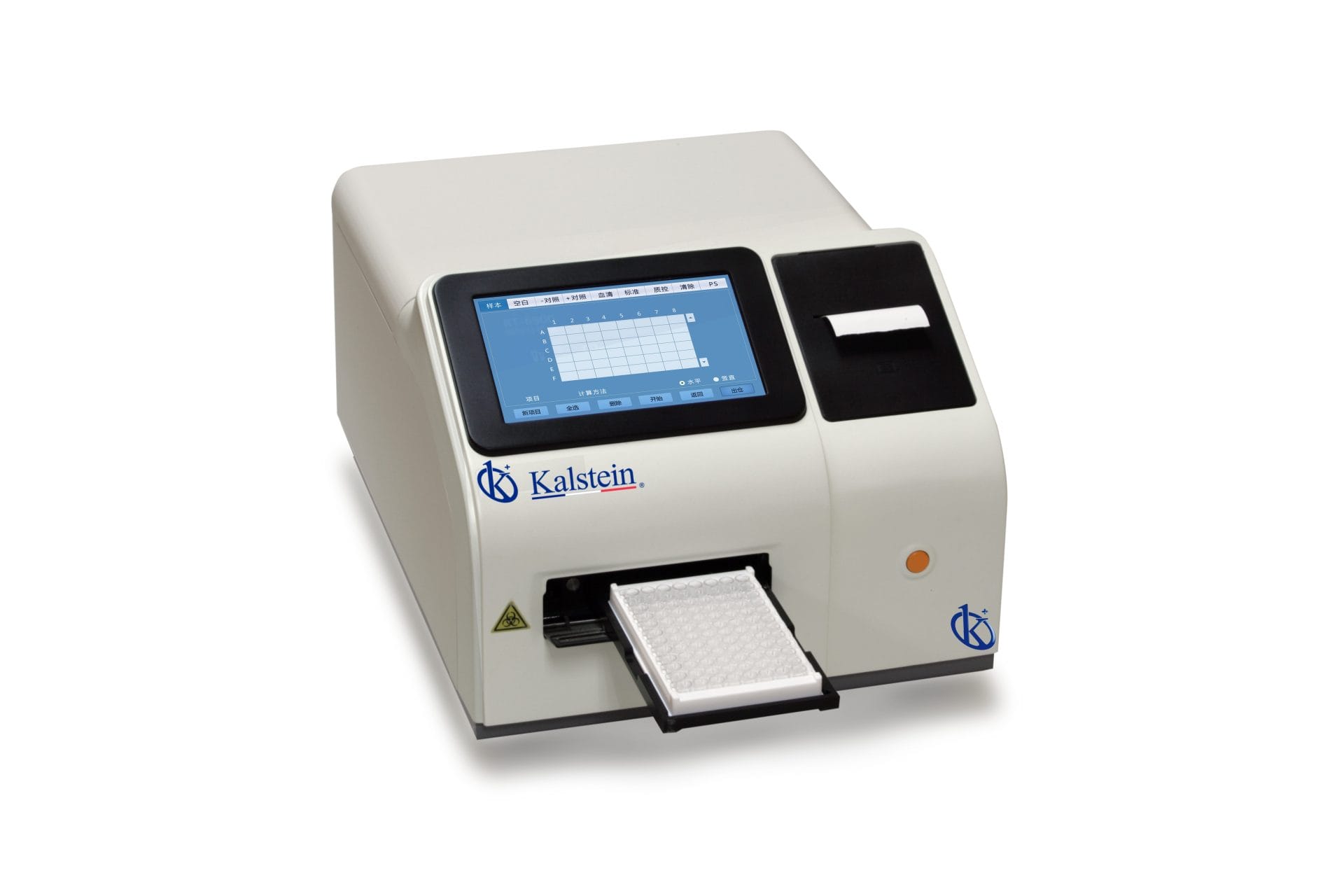
The microplate reader is an essential instrument in modern laboratories, enabling researchers to perform high-throughput analysis with accuracy and efficiency. These devices are designed to measure the optical density of samples across multiple wells, making them ideal for various applications including ELISA, drug discovery, and biochemical assays.
Available in various models, microplate readers cater to different research needs and budgets. Investing in the right microplate reader can significantly enhance laboratory productivity and the quality of results, paving the way for groundbreaking discoveries.
What you should know before selecting a microplate reader and making an investment
Key factors to consider
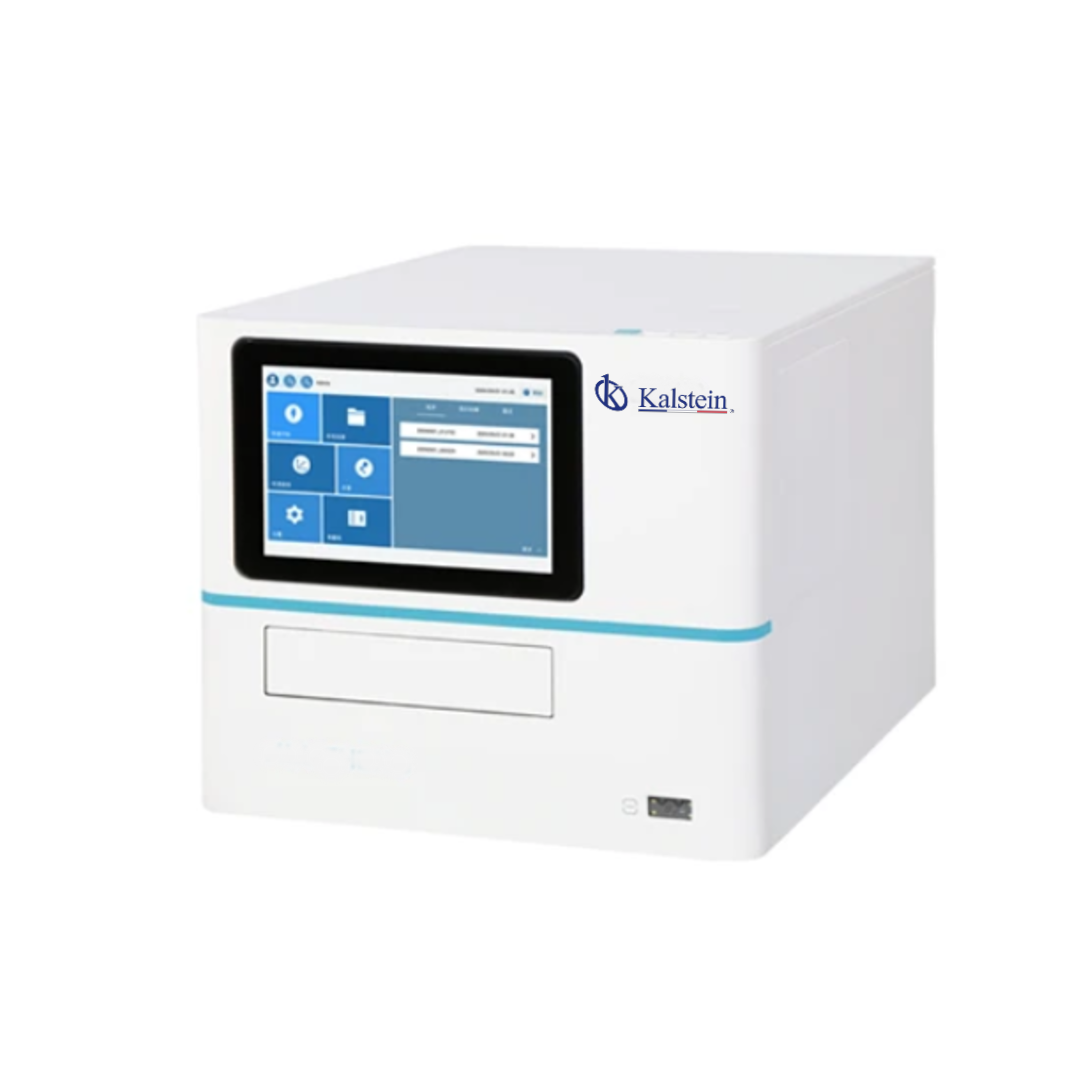
When selecting a microplate reader, consider key factors such as the type of assays you will perform, the required sensitivity, and the readout technologies available. Different models offer various detection methods, including absorbance, fluorescence, and luminescence, which can impact your experimental outcomes.
Additionally, look for features like data analysis software, connectivity options, and user-friendliness to ensure the device meets your laboratory's needs and enhances workflow efficiency.
Market price range
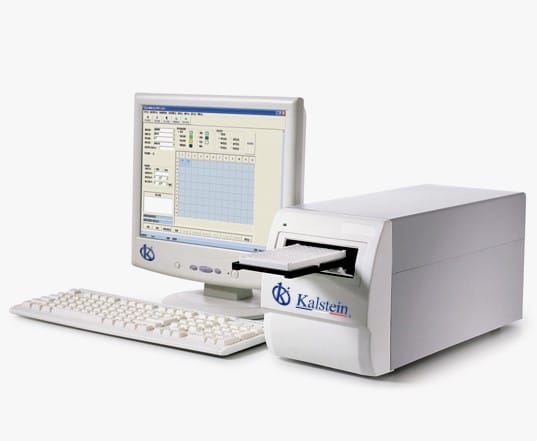
The price of microplate readers varies widely based on their capabilities and features. Basic models can start from a few thousand dollars, while advanced multi-mode readers can exceed tens of thousands. Understanding your laboratory's budget and the expected return on investment is crucial when making a choice.
It's often beneficial to evaluate the cost in relation to the features offered, ensuring that you select a reader that provides the best value for your specific applications.
Value for money
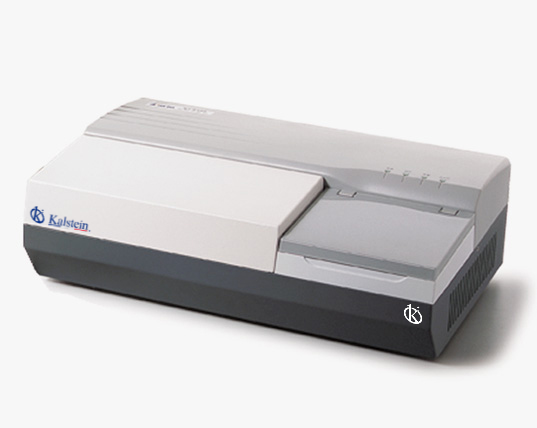
Value for money is an essential consideration when investing in a microplate reader. Assess the features, performance, and durability of the instrument in relation to its price. Sometimes, spending more on a reliable, high-performance model can lead to long-term savings by reducing the need for replacements or repairs.
Moreover, consider the support and warranty provided by the manufacturer, as strong customer service can enhance the overall value of your investment.
Expected lifespan based on use and maintenance
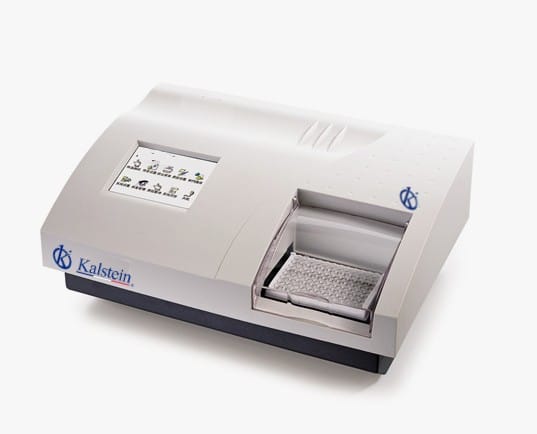
The lifespan of a microplate reader largely depends on the frequency of use and the level of maintenance it receives. With proper care, many models can last several years; however, consistent usage without adequate maintenance may lead to a decline in performance.
Regular calibration, cleaning, and software updates are vital to ensuring optimal operation, so it's important to factor in the maintenance requirements when selecting a model.
MICROPLATE READER KALSTEIN
Discover microplate reader for your laboratory
Explore our range of high-quality microplate readers designed to meet your laboratory's needs. Each model offers unique features to enhance your research capabilities, ensuring accurate and efficient results across various applications.
Microplate Elisa Reader YR05128
The Microplate Elisa Reader YR05128 is a cutting-edge analytical instrument designed for precision and efficiency in laboratory settings. This sophist
View productMulti-Mode Microplate Reader YR06673
The Multi-Mode Microplate Reader YR06673 by Allsheng is a comprehensive solution designed to meet the most demanding requirements of modern laboratori
View productMicroplate Elisa Reader YR05127
The Microplate Elisa Reader YR05127 is an advanced laboratory instrument designed to facilitate precise and efficient reading of ELISA assays. It feat
View productElisa Microplate Reader YR06096
The Elisa Microplate Reader YR06096 is a cutting-edge laboratory instrument designed to deliver precise and rapid results for a variety of assays. Wit
View productOur best-selling microplate reader
Multi-Mode Microplate Reader YR06673
Design and Technology (or Functionality)
Stands out due to its modular and upgradeable architecture, allowing laboratories to scale their capabilities as needed. Key innovations include:- Xenon Flash Lamp: Provides a high-intensity full spectrum for stable detection across all wavelengths.
- Multimode Optical System: Equipped with PD (Photodiode) detectors for absorbance and high-performance PMT (Photomultiplier Tube) for luminescence and fluorescence.
- Wavelength Flexibility: Allows selection from 200 to 1000 nm, with a wavelength accuracy of 2 nm.
- Modular Accessories: Offers a range of special detection accessories that are modular and upgradeable to optimize the detection experience even after initial purchase.
- Rapid Reading: Capable of processing a 96-well plate in less than 15 seconds in fast mode, significantly optimizing laboratory productivity.
Frequently Asked Questions (FAQ)
- Which reading modes are included in the standard Feyond-A300 model? The standard model includes Absorbance (200-1000 nm), Luminescence, and Fluorescence (top reading), covering the majority of current biological assays.
- Is it possible to change the fluorescence filters? Yes, the unit comes with 3 standard filter groups (EX485/EM530, EX523/EM564, EX624/EM692), but these can be replaced with other wavelengths depending on your specific assay requirements.
- What resolution does it offer for absorbance measurements? It provides a resolution of 0.0001 OD, allowing for the detection of extremely subtle changes in the optical density of samples.
Advantages and Disadvantages (Pros and Cons)
Advantages:- Total Versatility: Three detection modes integrated into one compact device.
- High Sensitivity: Luminescence detection limit of 15 amol/well and 1 pM for fluorescence.
- Processing Speed: Ideal for high-volume laboratories due to reduced reading times.
- Modularity: Upgrade capability that protects your initial investment.
- Learning Curve: As a multimode device, it requires training to fully master the analysis software features.
- Weight: Due to high-precision optical components, it is a robust device that requires a fixed and stable location.
Field Use and Recommendations
The YR06673 performs exceptionally well in pharmaceutical research centers, academic hospitals, and biotechnology laboratories. It is highly recommended for cell viability assays, nucleic acid and protein quantification (DNA/RNA), and enzyme activity tests. Pro Tip: To obtain the best results in fluorescence, it is recommended to use the condition optimization mode to adjust the detection limit to 1 pM. Additionally, perform periodic calibrations of the xenon lamp to ensure a wavelength repeatability of 0.2 nm.Technical Specifications
| Parameter | characteristics |
| Model | YR06673 |
| Detection Modes | Absorbance, Fluorescence (FL), Luminescence (Lum) |
| Light Source | Xenon Flash Lamp |
| Detector Abs/FL-Lum | PD (Absorbance) / PMT (Fluorescence & Luminescence) |
| Wavelength Range (Abs) | 200 - 1000 nm (1 nm step) |
| Wavelength Accuracy | 2 nm (Repeatability 0.2 nm) |
| Measurement Range (Abs) | 0 - 4 OD (Resolution 0.0001 OD) |
| Reading Time (96-well) | Fast mode < 15 seconds |
| Detection Limit (Lum) | 15 amol / well |
| Dynamic Range (Lum/FL) | 6 logs |
| Detection Limit (FL) | 1 pM (optimization condition) |
| Standard FL Filters | EX485/EM530, EX523/EM564, EX624/EM692 |
| Wavelength Range (FL) | EX: 200-1000 nm / EM: 270-850 nm |
| Accuracy (at 450 nm) | ± (1.0 % + 0.003 Abs) @ (0.0-2.0 Abs] |
| Instrument Dimensions | 44 cm x 48 cm x 32 cm |
| Instrument Weight | 25 kg |
| Power Supply | 100-240V AC, 50/60Hz |
Detailed analysis of microplate reader for an effective and safe choice
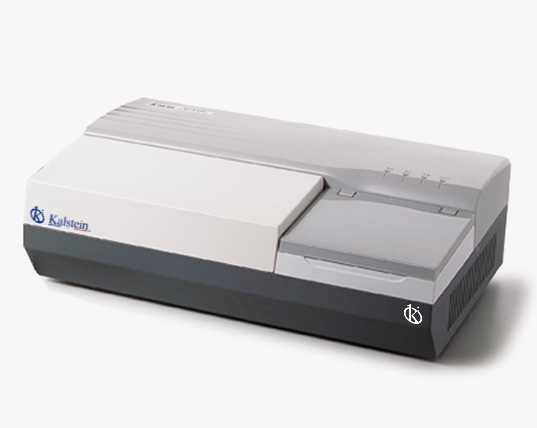
Revolutionizing Laboratory Work: The Versatile Microplate Reader
Microplate Reader, Kalstein Brand The Microplate Reader from Kalstein is gaining prominence in laboratories worldwide, thanks to its cutting-edge technology and efficient performance in various applications. As someone who has had the opportunity to work extensively with this device, I can attest to its reliability and precision, essential qualities for any laboratory equipment. Designed with the
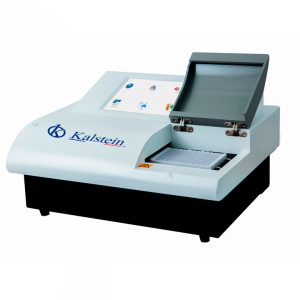
Using the Microplate Reader for HIV Testing
In health companies, they perform laboratory practices with appropriate equipment for the detection of the Human Immunodeficiency Virus or well known as HIV, using special techniques such as ELISA or by its acronym in English Enzyme-Linked ImmunoSorbent Assay, or Assay for Enzyme-Linked Immunoabsorption.
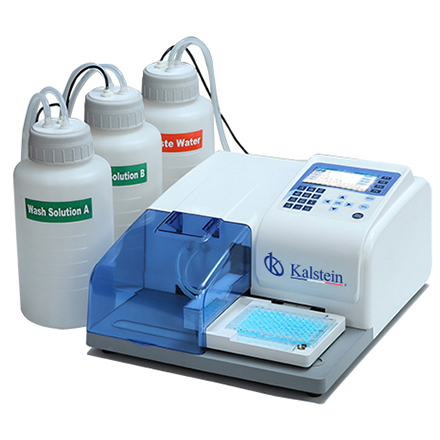
Diagnosis of Cancer in Women with the Microplate Reader
A microplate reader is an instrument that is responsible for reading the results of tests previously performed, by means of measurements of absorbance, luminescence and fluorescence. This equipment, because it has a wide variety of modes of activity, is used in medicine and scientific research, to diagnose and detect biological, physical and chemical anomalies that are present in a sample. One way to diagnose the antigen of, for example, breast cancer, is through the use of a microplate reader, by reading the absorbance of the sample, after the application of an ELISA test.
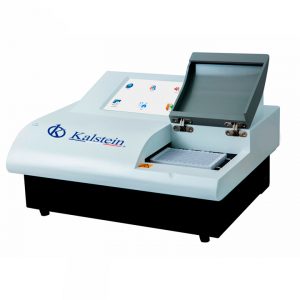
Benefits of Microplate Reader for Hepatitis B Determination
Hepatitis B is an infectious and contagious disease, caused by the hepatitis B virus or HBV, that causes damage and inflammation in the liver. It is spread through contact with the blood or body fluids of the person carrying it. This virus can cause acute or chronic infection, the latter being the most serious and the one that has no cure, however, there are treatments to slow the damage caused by the virus to the liver.
microplate reader offer catalog
Guides about microplate reader
Complete guides to choose microplate reader
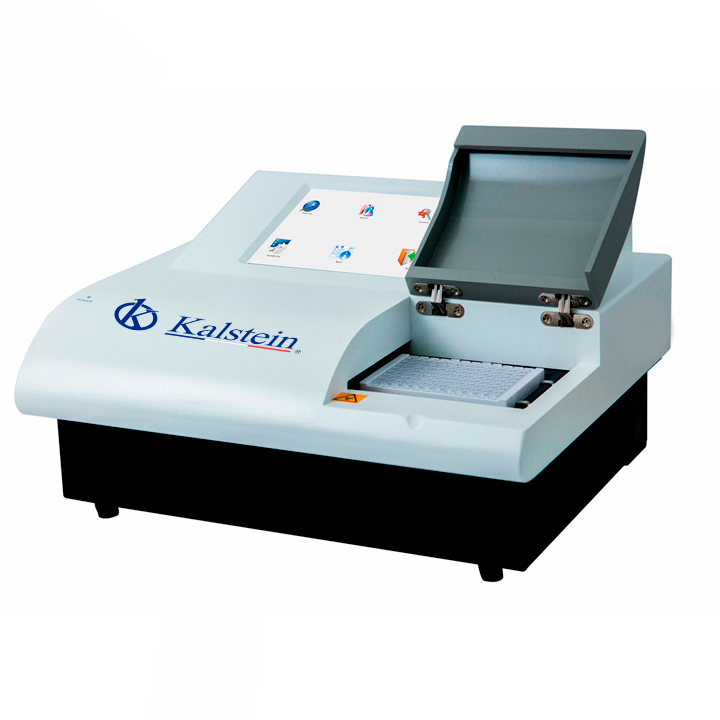
What technology does an ELISA microplate reader use?
An ELISA microplate reader is a laboratory instrument that is responsible for detecting and processing biological and chemical data by absorbance (ELISA, enzymatic activity and quantification of nucleic acids and proteins), luminescence and
Leer más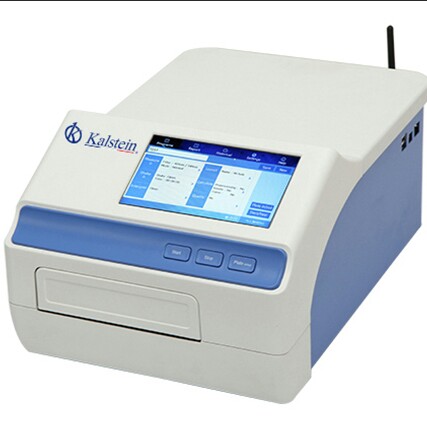
What is a microplate reader?
A microplate reader is a specialized spectrophotometer designed to read the results of a technique used to determine the presence of specific antibodies or antigens in a sample. The technique is based on the detection of an immobilized anti
Leer más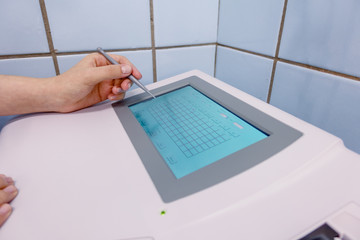
Using the Microplate Washing Machine for COVID-19 determination
The microplate washer is laboratory equipment designed to clean the wells of the plate containing study samples. It is an autonomous tool used in biochemistry tests, which eliminates all kinds of waste and reagents that did not react. For t
Leer más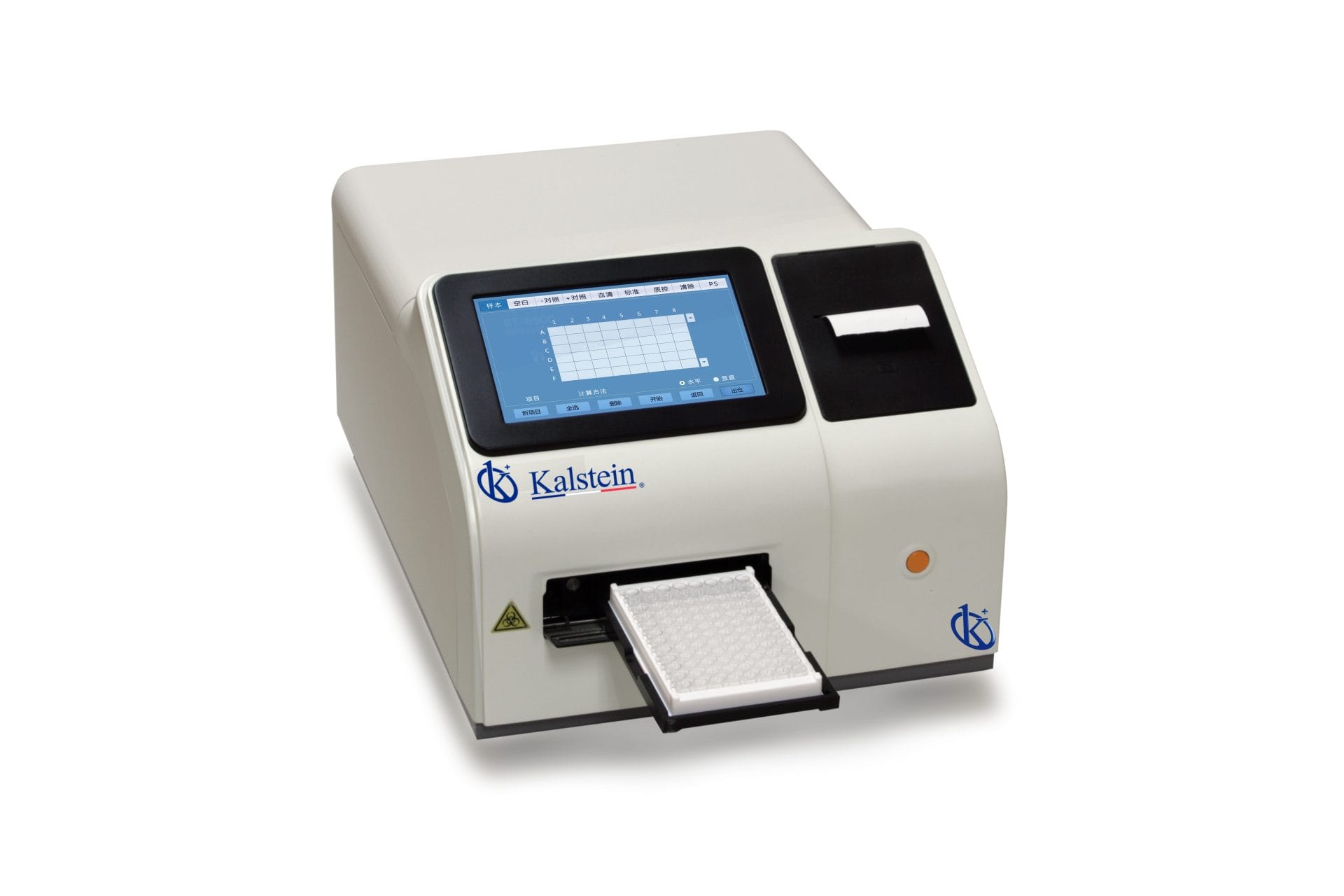
Optimization of Laboratory Workflow: The Undeniable Advantage of Kalstein's Microplate Analyzers
In the complex and energetic world of laboratories, accuracy, efficiency, and high productivity are required. As a solid foundation to achieve these indispensable prerequisites, the benefits that microplate analyzers offer cannot be overloo
Leer másFrequently asked questions about Microplate reader
How to know the prices of Microplate reader?
To know the price of Microplate reader, please send us an email with your request through the contact form AQUI.
What are the delivery times for Microplate reader?
Delivery time depends on stock availability and freight type (air or sea). In stock: air 15-30 days, sea 45-60 days. Out of stock: air 30-60 days, sea 60-90 days.
How to make a purchase of Microplate reader?
You can buy by email ([email protected]), phone (+33 (0) 1 70 39 26 50) or through the official Kalstein website in your country.
How does the warranty work for Microplate reader?
All Kalstein equipment comes with a 1-year warranty against manufacturing defects. The warranty does not cover damage from improper installation or misuse. See our «terms and conditions» AQUI.
Can I request a quote online for Microplate reader?
Yes, you can request a quote for the Kalstein equipment you are interested in directly from our official website. Click AQUI.