
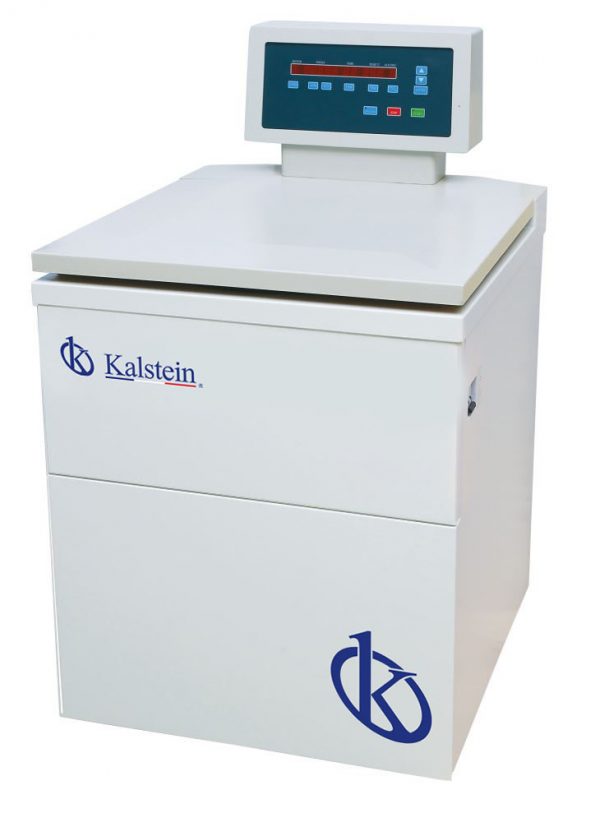
In the field of laboratory equipment, oil test centrifuges play a crucial role in separating solid particles from liquid oils, making them indispensable tools in industries such as petroleum, manufacturing, and chemical analysis. Among the numerous options available, the Oil Test Centrifuge YR138 by Kalstein and the Oil Test Centrifuge 842 by Justrite stand out for their advanced features and reliability. This article provides a detailed comparison of these two products, aiming to assist potential buyers in making an informed decision.
The Oil Test Centrifuge YR138 by Kalstein is renowned for its precision and durability. This model is designed to meet the rigorous demands of oil analysis by providing accurate separation results, thus ensuring optimal performance and reliability. On the other hand, the Oil Test Centrifuge 842 by Justrite is lauded for its user-friendly interface and robust design, making it a popular choice among technicians who prioritize ease of use.
| Feature | Kalstein YR138 | Justrite 842 |
|---|---|---|
| Manufacturer | Kalstein | Justrite |
| Model | YR138 | 842 |
| Precision | High precision | Moderate precision |
| User Interface | Advanced | User-friendly |
| Durability | Exceptional | Good |
| Recommendation | Professional laboratory and industrial use | General laboratory use |
How They Work
Oil test centrifuges operate by spinning samples at high speeds to facilitate the separation of oil from solid particles. The centrifugal force generated during the process causes heavier particles to settle at the bottom, allowing the liquid oil to be easily siphoned off from the top. The Kalstein YR138 leverages advanced technology to ensure precise control over speed and timing, thus enhancing the accuracy of separation. In contrast, the Justrite 842 focuses on straightforward operation, allowing users to initiate the process with minimal setup.
Applications
Both the Kalstein YR138 and Justrite 842 are designed for analyzing oil purity in various industries. These centrifuges are essential in quality control, where they determine the cleanliness of lubricating oils in machinery and engines, preventing potential damage from contaminants. Additionally, they aid in the analysis of crude oil samples, where precise measurement of sediment and water content is vital for processing operations.
Types
Centrifuges can be broadly categorized based on their rotational speed and capacity. High-speed centrifuges like the Kalstein YR138 offer precise measurements and are suitable for detailed analytical work, while moderate-speed centrifuges like the Justrite 842 cater to general applications where high precision is not the primary requirement. Moreover, the construction might vary, with options for benchtop or floor-standing models to accommodate different laboratory spaces.
Market Price
The price of oil test centrifuges can vary significantly depending on their features and capabilities. High-precision models like the Kalstein YR138 typically fall on the higher spectrum of the price range due to their advanced functionalities, while models like the Justrite 842, with more basic features, are generally more affordable. Customers can expect to pay a premium for Kalstein’s reliability and precision, with prices reflecting their top-tier status in the market.
Frequently Asked Questions
What is the purpose of an oil test centrifuge?
An oil test centrifuge is used to separate solids from liquid oils, ensuring the purity and quality of lubricants and other oil-based fluids.
How do I maintain my centrifuge?
Regular cleaning and calibration are essential to ensure optimal performance. Follow the manufacturer’s instructions for specific maintenance requirements.
Can I use these centrifuges for other fluids besides oil?
While they are optimized for oil analysis, some centrifuges may be adaptable for use with other liquids, provided that they do not exceed the equipment’s operational limits.
Pros and Cons
The Kalstein YR138 boasts numerous advantages, including exceptional precision, durability, and advanced user controls, making it ideal for professional use. One potential downside might be its higher cost, justified by its superior features. The Justrite 842, while user-friendly and moderately priced, may not offer the same level of precision and durability, making it more suitable for general laboratory needs rather than specialized industrial applications.
Field Usage
In practice, the Kalstein YR138 excels in environments that demand rigorous analysis, such as research laboratories and industrial quality control departments, where accuracy is paramount. Meanwhile, the Justrite 842 serves well in educational settings or small labs where ease of use and accessibility are the priorities. Regardless of the model chosen, regular calibration and maintenance are essential to maintain accuracy and reliability.
Recommendations
For those seeking precision and reliability, investing in the Kalstein YR138 is a wise choice, particularly for industries where the quality of results is non-negotiable. To maximize the centrifuge’s utility, it’s recommended to follow a stringent maintenance schedule and undergo regular calibrations. For general applications, the Justrite 842 provides a balance of ease and functionality, ideal for less demanding environments.
If you are looking for a fusion of innovation and quality, you have arrived at the right place. At Kalstein, we offer the luxury of exploring our exclusive catalog of laboratory equipment. Each piece is crafted with excellence. Our intuitive and agile online purchase channels are designed for your convenience, ensuring the most friendly prices. Don’t hesitate any longer; we bring science to life. It’s time to be part of our community. https://kalstein.se/product/oil-test-centrifuge-yr138/.