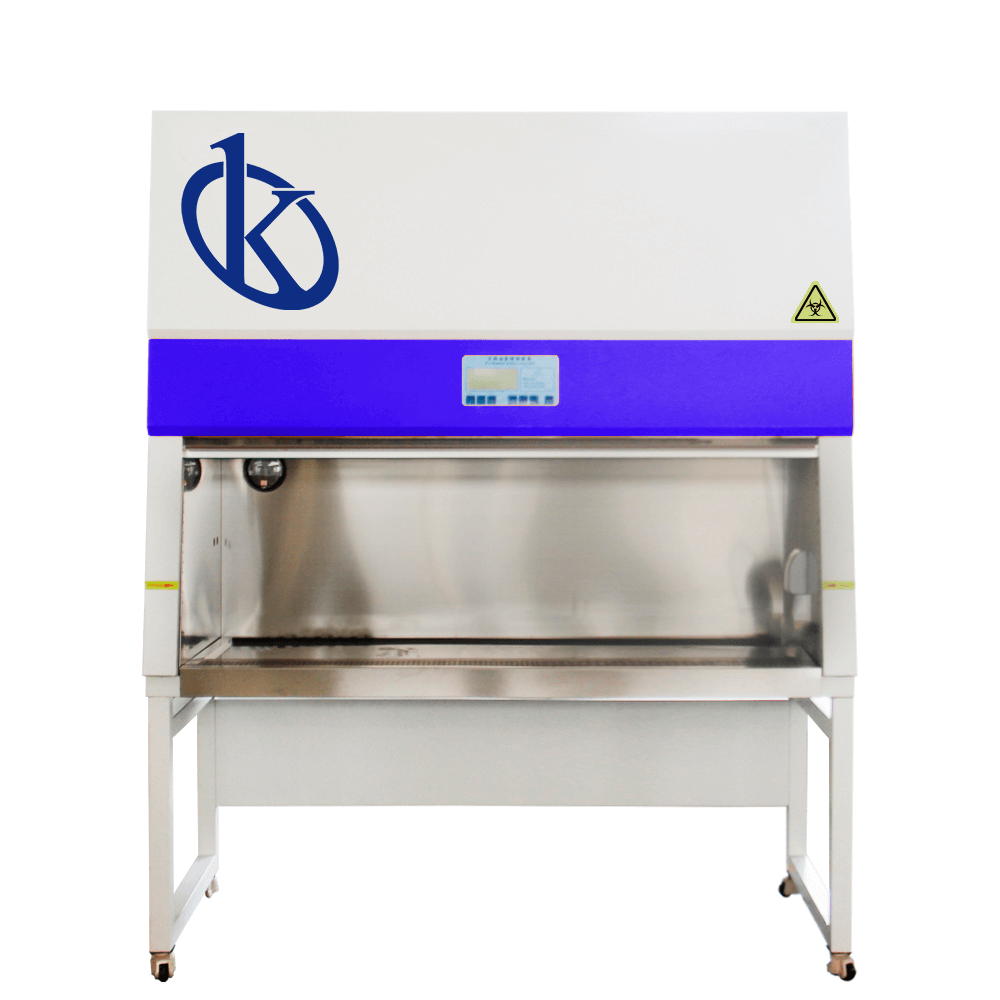
Hur man förbättrar energihållbarhet och minskar miljöpåverkan med klass II biosäkerhetsskåp
I den moderna laboratoriemiljön är energihållbarhet och minskning av miljöpåverkan kritiska överväganden, särskilt när man använder utrustning som klass II biosäkerhetsskåp. Dessa skåp är avgörande för att upprätthålla säkerhet i laboratorier genom att skydda både användare och prover från kontaminering. Deras energiförbrukning kan dock påverka den övergripande laboratoriehållbarheten avsevärt. Denna artikel undersöker hur olika modeller av klass II biosäkerhetsskåp bidrar till energihållbarhet och miljöansvar.
Förstå klass II biosäkerhetsskåp och deras roll i hållbarhet
Klass II biosäkerhetsskåp är utformade för att ge en steril miljö för laboratoriearbete samtidigt som operatörens säkerhet säkerställs. Dessa skåp fungerar genom att använda en kombination av laminar luftflöde och HEPA-filtrering för att förhindra att luftburna föroreningar kommer in i arbetsområdet. Energikonsumtionen för dessa skåp kan variera avsevärt mellan modeller, vilket påverkar deras miljöpåverkan. Genom att välja modeller som prioriterar energieffektivitet kan laboratorier minska driftskostnaderna och sin ekologiska påverkan.
Energiförbrukning och miljöpåverkan av biosäkerhetsskåp
Energiförbrukning är en nyckelfaktor i miljöpåverkan av laboratorieutrustning. Klass II biosäkerhetsskåp förbrukar varierande mängder energi baserat på deras design, funktioner och drifteffektivitet. Modeller utrustade med energibesparande teknologier kan drastiskt minska elförbrukningen, vilket leder till både kostnadsbesparingar och en mindre koldioxidavtryck. Till exempel har YR05270-modellen funktioner som förbättrar energieffektiviteten, vilket gör den lämplig för laboratorier som vill minimera sin energiförbrukning.
Nyckelfunktioner att se efter i energieffektiva biosäkerhetsskåp
När du väljer ett klass II biosäkerhetsskåp med fokus på hållbarhet, överväg följande funktioner:
- HEPA-filtreringssystem: Säkerställ hög filtreringseffektivitet för att upprätthålla renlighet med minimal energianvändning.
- Energistjärnor: Leta efter skåp som uppfyller etablerade kriterier för energieffektivitet.
- Variabla luftflödeskontroller: Modeller som tillåter justerbart luftflöde kan minska energianvändningen under mindre intensiva uppgifter.
- Övervakning i realtid: Skåp med övervakningssystem kan optimera prestanda och varna användare för överdriven energiförbrukning.
Jämförelse av tillgängliga modeller
| Modellkod | Energiåtgång (Watt) | Typisk användning | Miljövärdering | Pris (USD) |
|---|---|---|---|---|
| YR05704 | 400 | Allmänt laboratorium användning | Energi Effektiv | 1600.00 |
| YR05705 | 500 | Farmaceutiska tillämpningar | Standard | 1650.00 |
| YR05706 | 600 | Forskningslaboratorier | Moderat | 2150.00 |
| YR0090-A | 600 | Biologisk forskning | Standard | 1260.00 |
| YR05270 | 700 | Mycket känsliga experiment | Utmärkt | 2750.00 |
| YR05271 | 700 | Avancerade biosäkerhetstillämpningar | Utmärkt | 2940.00 |
Strategier för att minska miljöpåverkan i laboratorier
För att ytterligare förbättra hållbarheten i laboratoriemiljöer som använder klass II biosäkerhetsskåp kan laboratorier anta olika strategier:
- Genomföra schemalagt underhåll: Regelbundet underhåll säkerställer effektiv drift och minskar energislöseri.
- Använda energimonitoreringssystem: Spåra energianvändningsmönster och justera metoder därefter för att minimera konsumtion.
- Välja energirekonstruktion system: System som återvinner energi kan avsevärt minska det totala energibehovet.
- Utbilda personal: Att utbilda personal om energibesparande metoder kan förbättra den övergripande laboratoriehållbarheten.
Vanliga misstag och hur man undviker dem
I strävan efter hållbarhet gör laboratorier ofta misstag som kan leda till ökad energiförbrukning och kostnader. Här är några vanliga fallgropar och hur man undviker dem:
- Försummande av regelbundet underhåll: Att inte underhålla utrustningen kan leda till ineffektivitet. Schemalägg regelbundna kontroller för att säkerställa optimal prestanda.
- Överse energiförbrukningsdata: Att inte analysera energianvändning kan resultera i missade möjligheter till besparingar. Använd energimonitoreringsverktyg för att få insikter.
- Välja fel modell: Att välja skåp utan att ta hänsyn till energieffektivitet kan öka driftskostnaderna. Referera till energivärderingar när du gör ett val.
- Otillräcklig utbildning: Att inte utbilda personal om bästa metoder kan leda till energislöseri. Ge omfattande utbildning om energieffektiva metoder.
Vanliga frågor
Hur bidrar klass II biosäkerhetsskåp till energihållbarhet i laboratorier?
Klass II biosäkerhetsskåp, såsom YR05270-modellen, använder energieffektiva teknologier som variabla luftflödeskontroller och HEPA-filtreringssystem för att minimera energiförbrukningen. Genom att förbättra driftseffektiviteten bidrar dessa skåp till lägre energikostnader och minskade koldioxidavtryck i laboratoriemiljöer.
Vilka är skillnaderna i energiförbrukning mellan olika klass II biosäkerhetsskåp?
Energiförbrukningen för klass II biosäkerhetsskåp kan variera avsevärt. Till exempel, YR05704-modellen förbrukar 400 watt, medan YR05706-modellen använder 600 watt. Att välja rätt modell baserat på energiförbrukning kan leda till betydande besparingar över tid.
Vilka funktioner bör jag prioritera för att minska miljöpåverkan i biosäkerhetsskåp?
När du väljer biosäkerhetsskåp, prioritera funktioner som HEPA-filtrering för effektivitet, energimonitoreringsmöjligheter och Energy Star-certifiering. Modeller som YR05271 utmärker sig inom dessa områden, vilket gör dem lämpliga för miljömedvetna laboratorier.
Hur kan jag mäta energieffektiviteten hos ett klass II biosäkerhetsskåp?
För att mäta energieffektiviteten hos ett klass II biosäkerhetsskåp, övervaka dess effektförbrukning i watt under normal drift. Till exempel, YR0090-A-modellen har en maximal effektförbrukning på 600 watt, vilket kan spåras för att utvärdera dess effektivitet i förhållande till driftsbehov.
Vilka driftsjusteringar kan maximera energieffektiviteten hos biosäkerhetsskåp?
Driftsjusteringar som regelbundet underhåll, optimering av luftflödesinställningar och användning av övervakningssystem kan maximera energieffektiviteten. Till exempel, YR05705-modellen möjliggör luftflödesjusteringar som kan sänka energiförbrukningen under mindre intensiva uppgifter.
Finns det några certifieringar för energieffektiva biosäkerhetsskåp?
Ja, många biosäkerhetsskåp, inklusive modeller som YR05270, kan få Energy Star-certifiering. Denna certifiering indikerar efterlevnad av strikta energibesparingsstandarder, vilket gör dem till ett smart val för miljömedvetna laboratorier.
Hur kan laboratorier säkerställa efterlevnad av energihållbarhetsmål med hjälp av biosäkerhetsskåp?
Laboratorier kan säkerställa efterlevnad av energihållbarhetsmål genom att välja modeller som YR05706 som är designade med energieffektivitet i åtanke, genomföra regelbunden övervakning av energiförbrukning och anta bästa praxis inom driftledning.
Vad är kostnads-nyttoanalysen av att använda energieffektiva biosäkerhetsskåp?
Kostnads-nyttoanalysen av att använda energieffektiva biosäkerhetsskåp innebär att jämföra deras initiala investering mot långsiktiga driftbesparingar. Till exempel, medan modellen YR05271 kan ha en högre initial kostnad, kan dess lägre energiförbrukning leda till betydande besparingar över dess livslängd.
Om du letar efter en fusion av innovation och kvalitet har du kommit till rätt ställe. På Kalstein erbjuder vi dig lyxen att utforska vår exklusiva katalog av laboratorieutrustning. Vi tillverkar varje enhet enligt de högsta standarderna för excellens. Våra intuitiva och sömlösa onlineköpskanaler är utformade för din bekvämlighet och säkerställer de mest konkurrenskraftiga priserna. Tveka inte längre — vi ger liv åt vetenskapen, det är dags att bli en del av vårt samhälle.