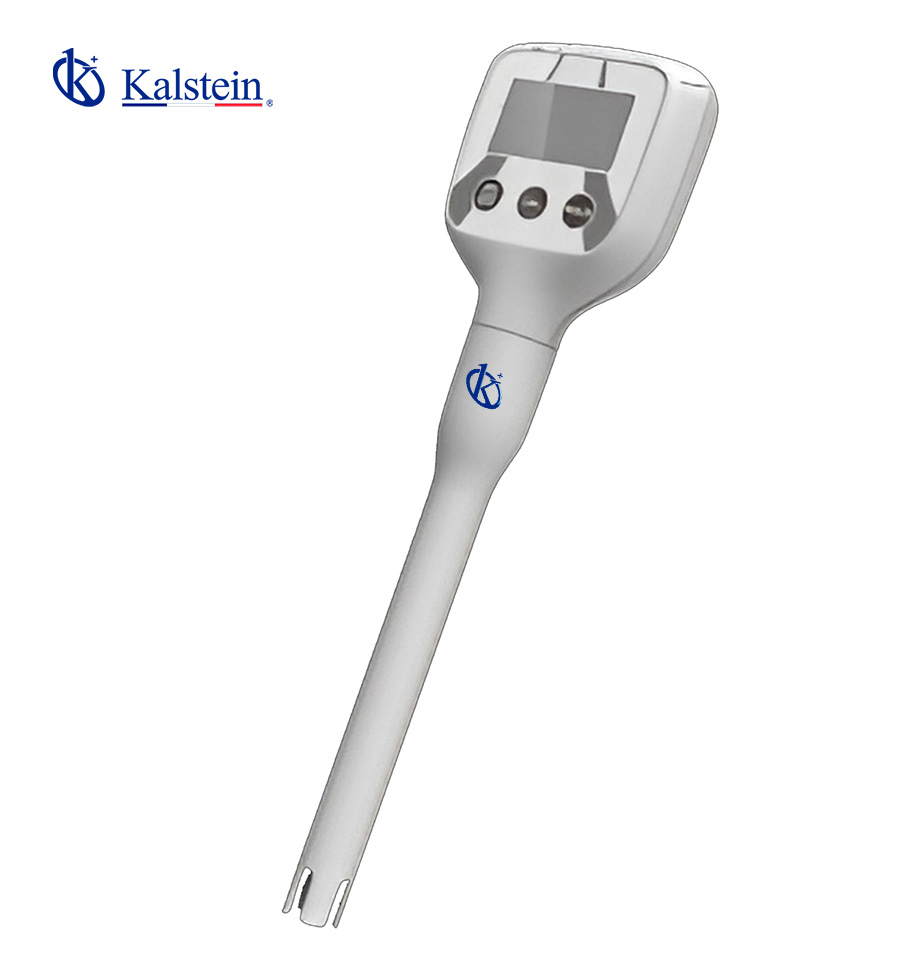
Förstå ROI och kostnadsnyttanalys för bärbara konduktivitetsmätare
I laboratoriemiljöer är valet av bärbara konduktivitetsmätare avgörande för olika tillämpningar, inklusive vattenkvalitetstestning och kemisk analys. Med tanke på den ökande betydelsen av avkastning på investering (ROI) och kostnadsnyttanalys är det viktigt för laboratoriepersonal att förstå hur dessa begrepp tillämpas vid inköp av bärbara konduktivitetsmätare. Denna artikel kommer att fördjupa sig i de finansiella mått som är kopplade till dessa instrument, vilket möjliggör en mer informerad beslutsprocess.
Ramar in vikten av ROI i laboratorieinstrumentering
ROI är ett finansiellt mått som används för att utvärdera effektiviteten eller lönsamheten av en investering. När det gäller bärbara konduktivitetsmätare kan förståelsen av ROI hjälpa laboratorier att avgöra vilka instrument som är bäst att köpa baserat på deras användningsfrekvens och den kvalitet på mätningar som krävs. Till exempel kan en dyrare modell ge större noggrannhet och funktioner som kan minska de totala testkostnaderna på lång sikt.
Jämförelse av tillgängliga modeller
| Modell | CAPEX (USD) | Kostnad per test (USD) | Återbetalningstid (Månader) | Rekommenderat scenario |
|---|---|---|---|---|
| YR01805 | 24.00 | 0.10 | 2 | Fältprovning |
| YR01806 | 149.00 | 0.50 | 6 | Laboratorieanalys |
| YR01808 | 59.00 | 0.20 | 3 | Utbildningsändamål |
| YR01809 | 62.00 | 0.22 | 4 | Bedömning av vattenkvalitet |
| YR01810 | 65.00 | 0.25 | 5 | Forskningsapplikationer |
| YR01811 | 50.00 | 0.15 | 2 | Låga koncentrationsvätskor |
De viktigaste komponenterna i kostnadsnyttanalys för bärbara konduktivitetsmätare
En kostnadsnyttanalys (CBA) bryter ner de finansiella konsekvenserna av att förvärva bärbara konduktivitetsmätare. Denna process innebär att analysera både direkta och indirekta kostnader, såsom inköpspris, underhåll och driftskostnader, samtidigt som man också beaktar de fördelar som dessa enheter erbjuder. Till exempel erbjuder YR01806-modellen avancerade funktioner som rättfärdigar dess högre initiala kostnad genom ökad noggrannhet och tillförlitlighet, vilket i slutändan leder till mer pålitliga resultat.
Beräkning av CAPEX och OPEX i bärbara konduktivitetsmätare
Kapitalutgifter (CAPEX) avser de initiala kostnader som uppstår vid inköp av laboratorieutrustning, medan driftkostnader (OPEX) representerar de löpande kostnaderna för att underhålla och använda utrustningen. Att förstå både CAPEX och OPEX är avgörande när man bedömer den ekonomiska genomförbarheten av att integrera portabla konduktivitetsmätare i laboratoriearbetsflöden. Till exempel har YR01805-modellen låga CAPEX, men dess OPEX förblir hanterbar på grund av dess tillförlitlighet och användarvänlighet.
Utvärdering av återbetalningstider för olika modeller
Återbetalningstiden är den tid det tar för en investering att generera ett belopp som är lika med den initiala kostnaden. Genom att analysera återbetalningstiden för varje modell kan laboratorier fatta mer informerade inköpsbeslut. YR01805 erbjuder en snabb återbetalningstid på grund av sina låga kostnader per test, vilket gör den lämplig för högvolymtestscenarier. I kontrast har modeller som YR01806 längre återbetalningstider men erbjuder mer sofistikerade funktioner som kan förbättra den övergripande laboratorieprestandan.
Förståelse för totala ägandekostnader (TCO)
Totala ägandekostnader omfattar inköpspriset, driftskostnader, underhållskostnader och eventuella avfallskostnader för laboratorieutrustning. Att utvärdera TCO är avgörande för laboratorier som strävar efter att minimera långsiktiga kostnader. Till exempel, medan YR01806 har en högre initial kostnad, kan dess hållbarhet och avancerade funktioner minska underhållskostnaderna över tid, vilket därmed sänker dess TCO.
Vanliga misstag och hur man undviker dem
Laboratorieprofessionella gör ofta flera vanliga misstag när de utvärderar portabla konduktivitetsmätare. Ett vanligt fel är att enbart fokusera på det initiala inköpspriset utan att ta hänsyn till långsiktiga kostnader eller fördelar. Att förstå den faktiska nyttan av modeller som YR01809 eller YR01810 i verkliga tillämpningar kan förhindra sådana misstag, vilket gör att laboratorier kan välja instrument som verkligen möter deras operativa behov.
Vanliga frågor
Hur kan jag beräkna ROI för en portabel konduktivitetsmätare i mitt laboratorium?
För att beräkna ROI, bedöm den nettofördel som genereras av den portabla konduktivitetsmätaren delat med dess totala kostnad. Till exempel, om YR01806-modellen kostar $149 och hjälper till att minska testtiden med $100 per månad, skulle ROI vara betydande på grund av den effektivitet som uppnåtts.
Vad är de långsiktiga driftkostnaderna för att använda en portabel konduktivitetsmätare?
Långsiktiga driftkostnader inkluderar underhåll, kalibrering och förbrukningsmaterial. Till exempel kan användning av YR01810-modellen medföra kalibreringskostnader som kan uppgå till $30 årligen, vilket gör det viktigt att ta hänsyn till dessa i din ekonomiska planering.
Vilken bärbar konduktivitetsmätare erbjuder den bästa kostnadsnyttan?
Modellen YR01805 erbjuder vanligtvis den bästa kostnadsnyttan för laboratorier som fokuserar på budgetbegränsningar, eftersom den ger pålitliga resultat till en låg initial kostnad av $24, vilket leder till snabb ROI.
Hur påverkar noggrannheten hos bärbara konduktivitetsmätare ROI?
Högre noggrannhet i mätningar kan minska kostnaderna för omtestning och öka förtroendet för resultaten. Till exempel kan YR01806, med sina avancerade funktioner, motivera ett högre pris genom att spara kostnader kopplade till felaktigheter.
Vilka faktorer bör jag överväga när jag väljer en bärbar konduktivitetsmätare?
Överväg faktorer som mätområde, noggrannhet, enkel kalibrering och driftskostnader. YR01809 erbjuder ett mångsidigt mätområde, vilket gör den lämplig för olika tillämpningar och därmed ökar dess nytta.
Hur påverkar underhållskostnader beslutet att köpa en bärbar konduktivitetsmätare?
Underhållskostnader kan betydligt påverka den totala ägandekostnaden. Modeller som YR01806 kan ha högre underhåll än enklare modeller, men de erbjuder också förbättrade funktioner som kan förbättra den övergripande laboratorieeffektiviteten och minska testtider.
Vilka är de bästa metoderna för att maximera ROI på bärbara konduktivitetsmätare?
Maximera ROI genom att säkerställa korrekt utbildning för personalen, regelbunden kalibrering och förebyggande underhåll. Att använda modeller som YR01810 möjliggör automatisk kalibrering, vilket ytterligare kan öka effektiviteten.
Hur kan jag motivera köpet av en dyrare bärbar konduktivitetsmätare?
Du kan motivera kostnaden genom att framhäva hur funktioner som förbättrad noggrannhet och minskade driftskostnader leder till bättre långsiktiga ekonomiska resultat. Till exempel kan YR01806 kosta $149 men kan leda till besparingar genom förbättrad dataintegritet.
Om du letar efter en fusion av innovation och kvalitet har du kommit till rätt ställe. På Kalstein erbjuder vi dig lyxen att utforska vår exklusiva katalog av laboratorieutrustning. Vi tillverkar varje enhet enligt de högsta standarderna för excellens. Våra intuitiva och sömlösa onlineköpskanaler är utformade för din bekvämlighet, vilket säkerställer de mest konkurrenskraftiga priserna. Tveka inte längre — vi ger liv åt vetenskapen, det är dags att bli en del av vårt samhälle.