How to Achieve LIMS Integration and Data Flow Digitalization with Ultrasonic Homogenizers?
In the modern laboratory environment, integrating equipment with Laboratory Information Management Systems (LIMS) is crucial for efficient data management and digitalization of workflows. Ultrasonic homogenizers have emerged as multifaceted tools that not only enhance sample processing but also contribute significantly to data flow through LIMS integration. This article delves into various ultrasonic homogenizers, examining their capabilities and how they fit into the framework of LIMS, ensuring a seamless transition to a digitalized laboratory setup.
Understanding Ultrasonic Homogenizers and Their Role in LIMS Integration
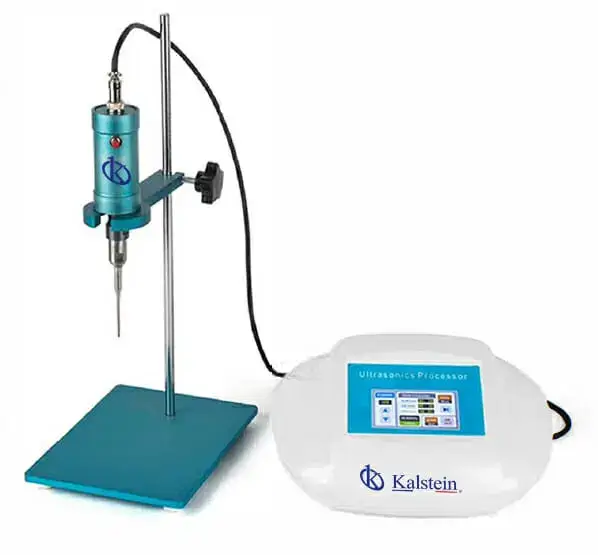
Ultrasonic homogenizers are vital instruments that utilize ultrasonic waves to create cavitation effects in liquids, facilitating various applications such as cell disruption, emulsification, and extraction. Models like YR05829, YR05830, and YR05831 exemplify advanced features that can enhance laboratory workflows. Integrating these devices with LIMS allows for automatic data capture, process tracking, and improved traceability of sample handling and results.
Key Benefits of LIMS Integration
Integrating ultrasonic homogenizers with LIMS offers numerous benefits, including enhanced data accuracy, real-time monitoring, and streamlined laboratory processes. This integration ensures compliance with regulatory standards, as all data-related activities are documented and traceable. By utilizing models like YR05829, which features a sophisticated digital generator, laboratories can achieve reliable results that contribute to better overall outcomes.
Comparison of Available Models
| Model | Ultrasonic Power (W) | Processing Capacity (ml) | Price (USD) | Best for |
|---|---|---|---|---|
| YR05829 | 5-150 | 0.1-50 | 659.00 | Small sample processing |
| YR05830 | 5-250 | 0.5-100 | 659.00 | Medium sample volumes |
| YR05831 | 5-400 | 0.5-300 | 699.00 | High sample capacity |
| YR05831-op1 | 5-400 | 0.5-300 | 149.00 | Cost-effective choice |
| YR05831-op2 | 5-400 | 0.5-300 | 95.00 | Budget-friendly option |
| YR05832 | 650 | 0.2-500 | 1050.00 | Versatile applications |
Common Mistakes and How to Avoid Them
When integrating ultrasonic homogenizers with LIMS, laboratories often face challenges that can hinder efficiency. Common mistakes include inadequate training on LIMS features, improper calibration of homogenizers, and failing to establish data entry protocols. To avoid these pitfalls, laboratory personnel should engage in thorough training sessions, implement a robust calibration schedule for models like YR05830, and develop clear guidelines for data handling and entry.
Data Flow Optimization through LIMS and Ultrasonic Homogenizers
Optimizing data flow is essential for seamless laboratory operations. Ultrasonic homogenizers like YR05831 can be connected to LIMS through specified protocols, allowing automatic data transfer of sample processing parameters. Implementing a middleware solution can facilitate this integration, ensuring that data captured from the homogenizer is accurate and readily available for analysis. Regularly reviewing data flow can help identify bottlenecks in the process and enable timely adjustments.
Understanding Connectivity Protocols for Effective Integration
Establishing the right connectivity protocols is crucial for LIMS integration. Protocols such as HL7, ASTM, and REST should be considered when connecting ultrasonic homogenizers. Models like YR05832 can be configured to interface with these protocols, allowing for improved data sharing and interoperability within the laboratory system. Additionally, ensuring that the ultrasonic homogenizer has bidirectional communication capabilities can enhance data accuracy and real-time monitoring.
Best Practices for Ensuring Compliance and Traceability
Compliance with industry regulations is a priority for any laboratory. Ultrasonic homogenizers must be integrated with LIMS in a manner that ensures traceability of samples and results. This can be achieved by incorporating features that log each action taken on the instrument, from sample preparation to data output. Using models like YR05829, which is designed for precise control, can greatly aid in maintaining traceability throughout the workflow.
Frequently Asked Questions
How can ultrasonic homogenizers improve data flow in a LIMS environment?
Ultrasonic homogenizers enhance data flow by providing automated data capture directly into the LIMS. For instance, the YR05831 can be integrated to log processing details automatically, reducing manual entry errors and improving overall data accuracy.
What types of ultrasonic homogenizers are best for laboratory data integration?
Models like YR05829 and YR05830 are designed for efficient laboratory data integration due to their advanced digital capabilities that allow seamless communications with LIMS, facilitating accurate data management.
Which connectivity protocols are essential for LIMS integration of homogenizers?
Essential connectivity protocols for LIMS integration include HL7, ASTM, and REST. These protocols ensure that models like YR05832 can effectively communicate and share data with laboratory information systems.
How does LIMS integration ensure compliance in laboratories using ultrasonic homogenizers?
LIMS integration ensures compliance by automatically logging all processes and sample data from ultrasonic homogenizers. This documentation is crucial for audits and regulatory compliance, especially with models like YR05830 that provide precise monitoring.
What are the common pitfalls when integrating ultrasonic homogenizers with LIMS?
Common pitfalls include inadequate training, lack of proper calibration, and insufficient data entry protocols. To mitigate these issues, laboratories should conduct thorough training and establish clear procedures for using models like YR05831 effectively.
How can laboratories optimize the use of ultrasonic homogenizers in their LIMS?
Laboratories can optimize ultrasonic homogenizers by ensuring they are properly calibrated, utilizing efficient data entry protocols, and integrating them with LIMS for real-time data monitoring, particularly with models like YR05832.
What is the cost of ultrasonic homogenizers that support LIMS integration?
The cost varies by model; for example, the YR05829 is priced at $659, while the more advanced YR05832 costs $1050. These investments enhance laboratory efficiency and data management.
How can I implement a middleware solution for my ultrasonic homogenizer and LIMS?
Implementing a middleware solution requires selecting compatible software that can bridge communication between your ultrasonic homogenizer and LIMS, such as using models like YR05830, which support established connectivity protocols.
If you are looking for a fusion of innovation and quality, you have come to the right place. At Kalstein, we offer you the luxury of exploring our exclusive catalog of laboratory equipment. We manufacture every device to the highest standards of excellence. Our intuitive and seamless online purchasing channels are designed for your convenience, securing the most competitive prices. Hesitate no longer — we bring science to life, it is time to become part of our community.